One of our main aims is for children to be competent with numbers.
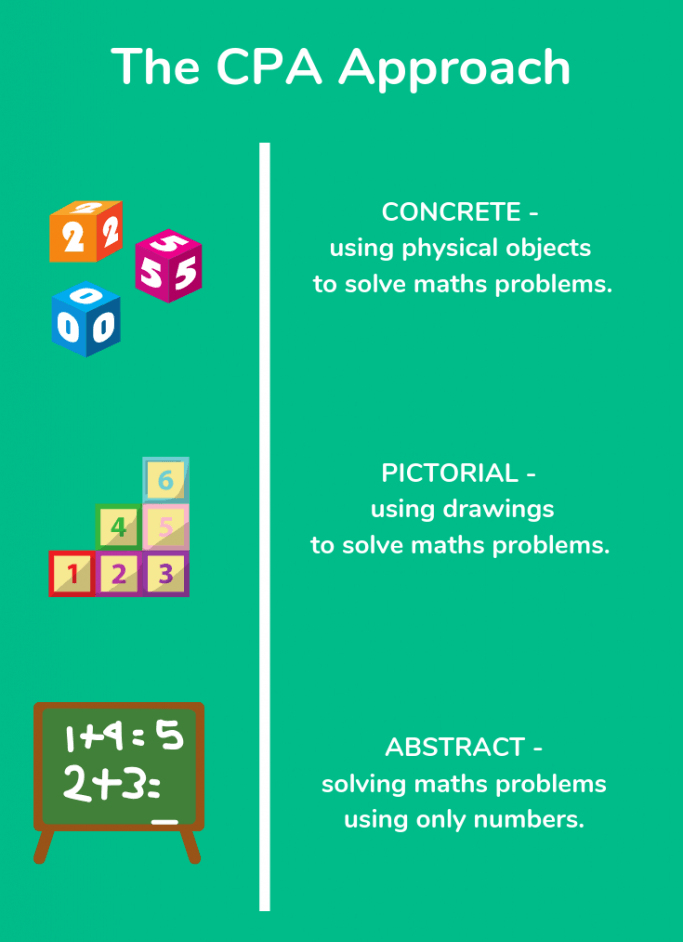
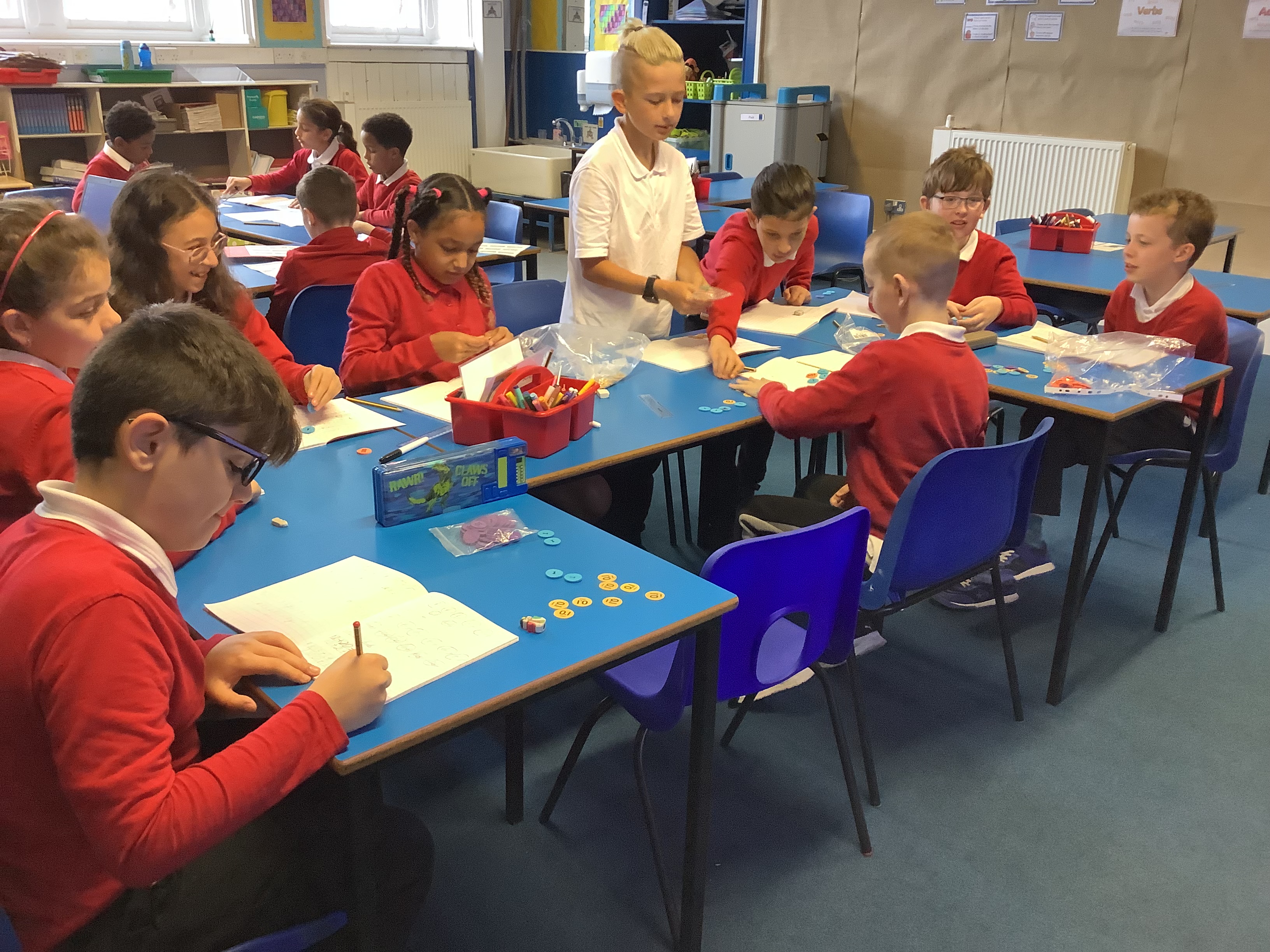
Pupils are introduced to a new mathematical concept through the use of concrete resources (e.g. fruit, Dienes blocks etc). When they are comfortable solving problems with physical aids, they are given problems with pictures – usually pictorial representations of the concrete objects they were using.
Then they are asked to solve problems where they only have the abstract i.e. numbers or other symbols. Building these steps across a lesson can help pupils better understand the relationship between numbers and the real world, and therefore helps secure their understanding of the mathematical concept they are learning.
Most Second level learners are ready to move on from concrete materials and focus on pictorial and abstract methods. An increasing understanding of number allows transitioning through the approaches.
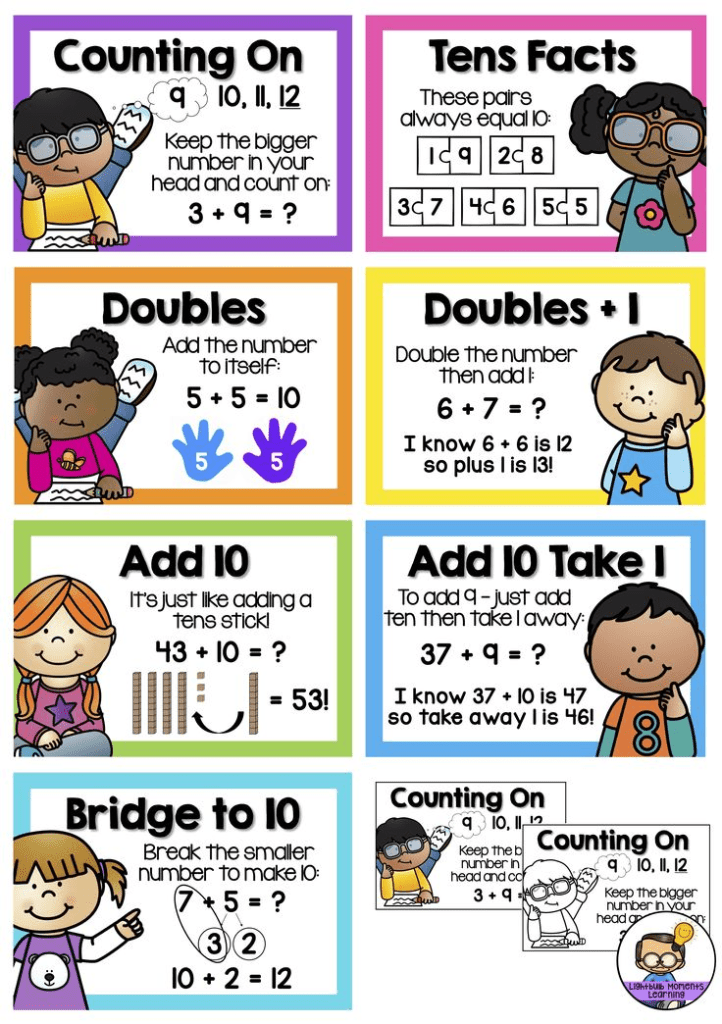
It is vital to have a variety of strategies to solve addition and subtraction problems.
Here are some examples:
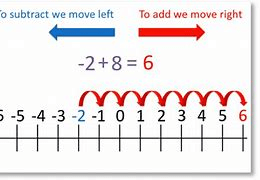
At second level learners will also work with numbers up to/beyond one Million, decimal, percentages and fractions as well as negative numbers:
Take a look at this amazing website, have a go at the games or quizzes!
On Tuesday, Wednesday and Thursday, school will be closed. This is due to strikes by UNISON members.
As teachers are not part of these strikes, home learning will be posted each day on your class blog at 9:00.
Below is a document explaining the format of each day.
We have aimed to support pupil routine by creating a timetable very similar to our school day. We hope by being consistent across the school, this will support families whom may be working together or sharing resources.
We look forward to welcoming you back to school on Friday, when pupils can share the learning that has been completed at home and we can celebrate their achievements.
focus we were keen to show you how hard we worked on
across the school:
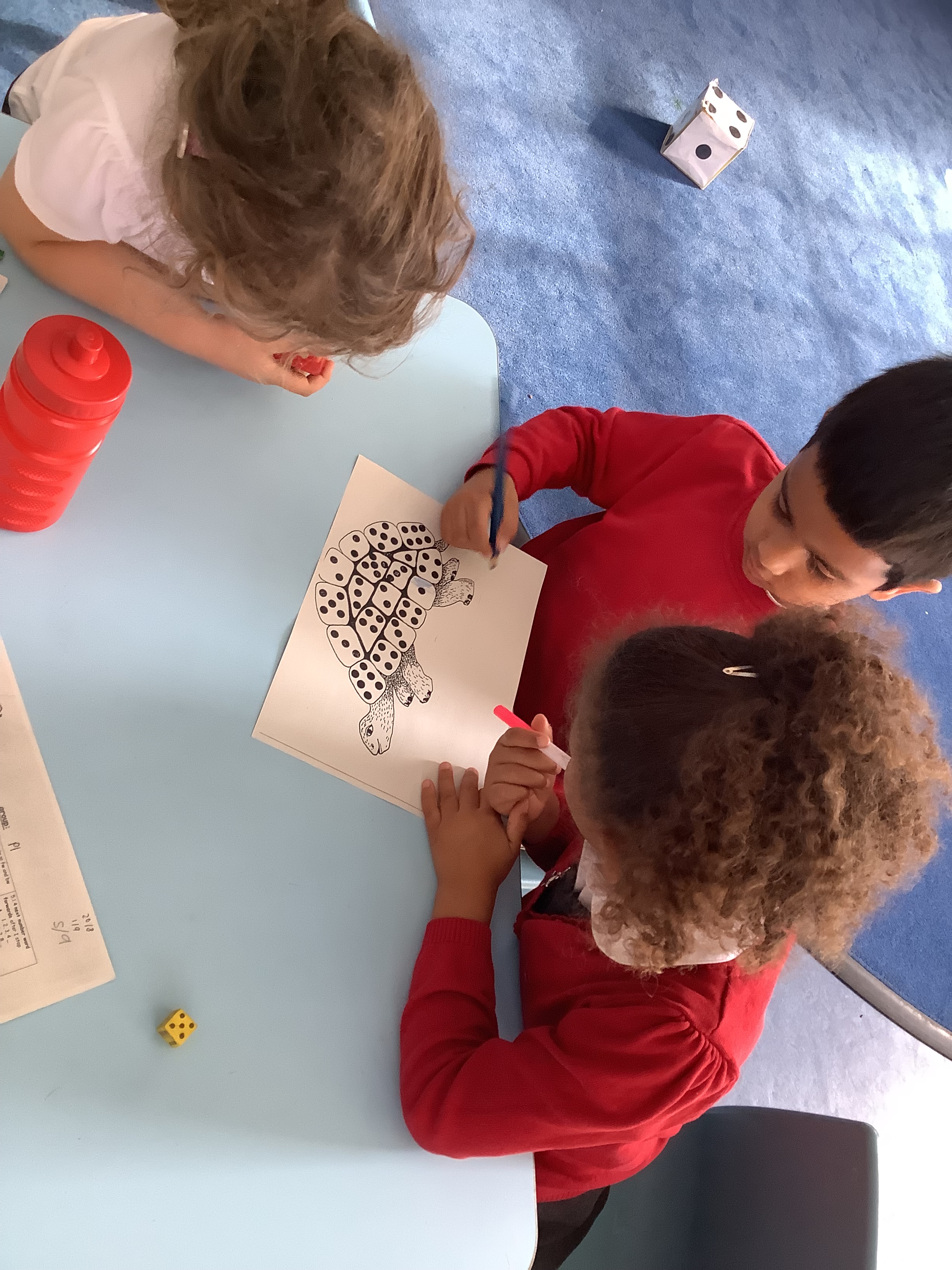
having fun with numbers to 5, 10 (and beyond)!
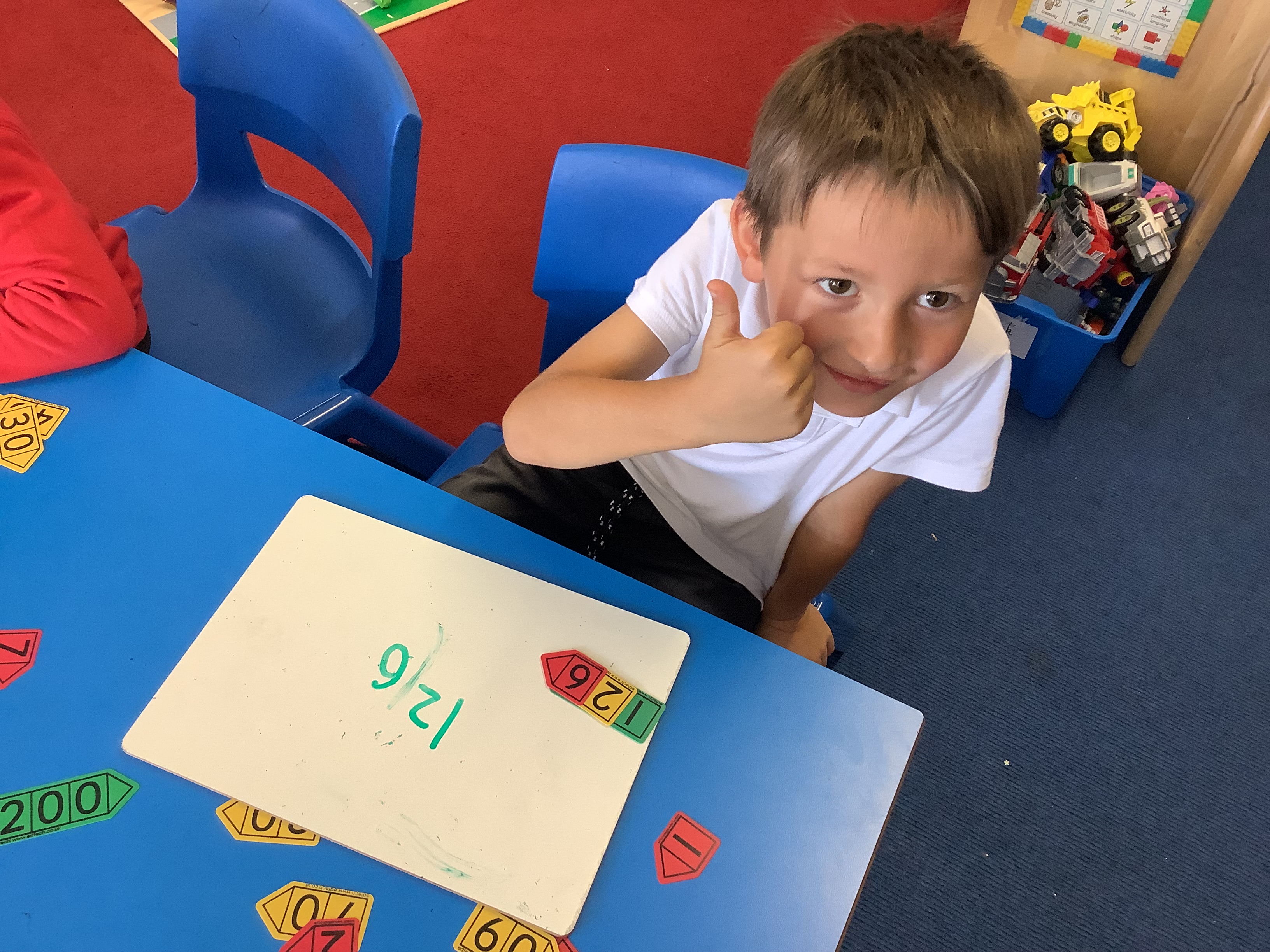
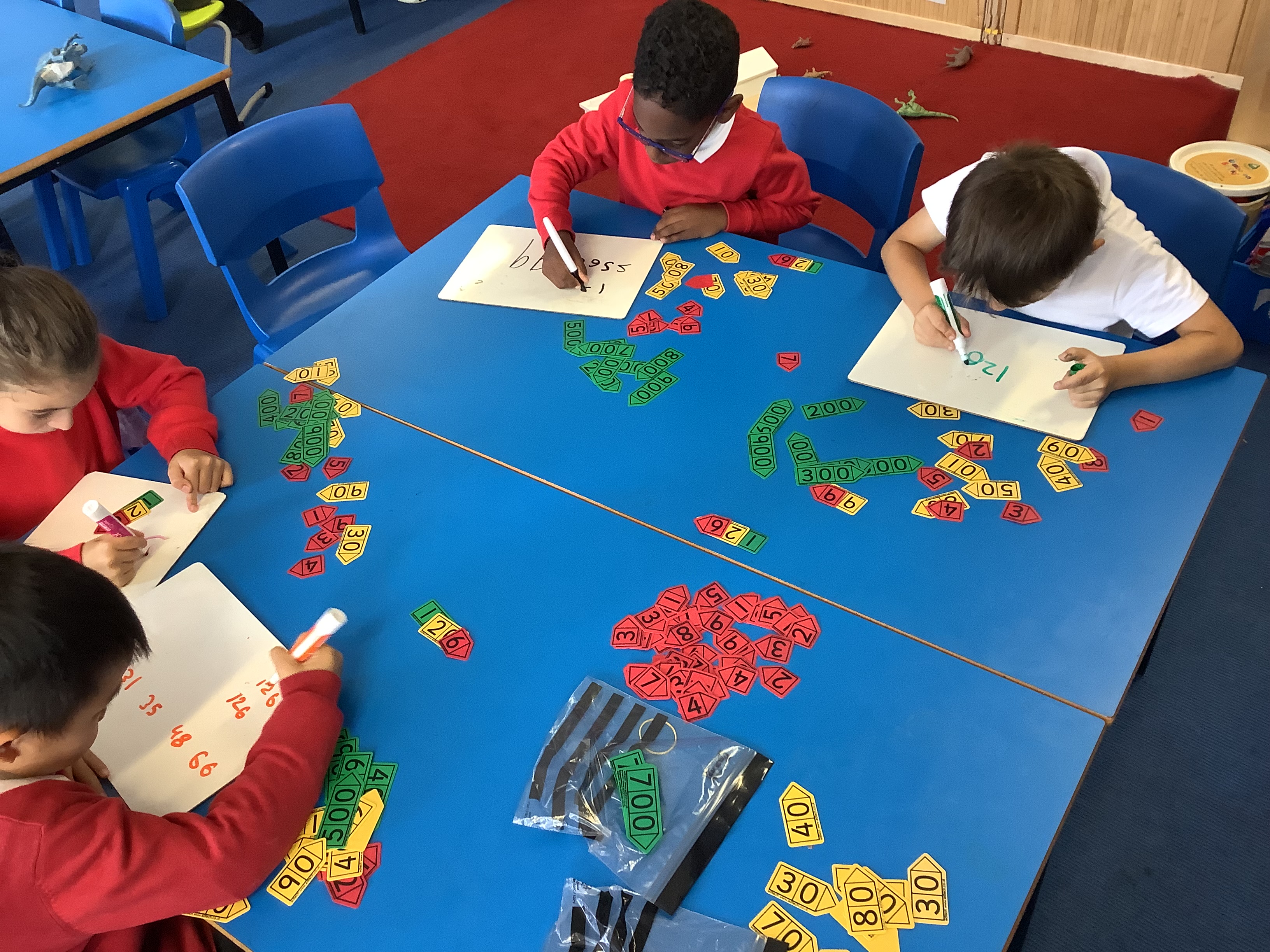
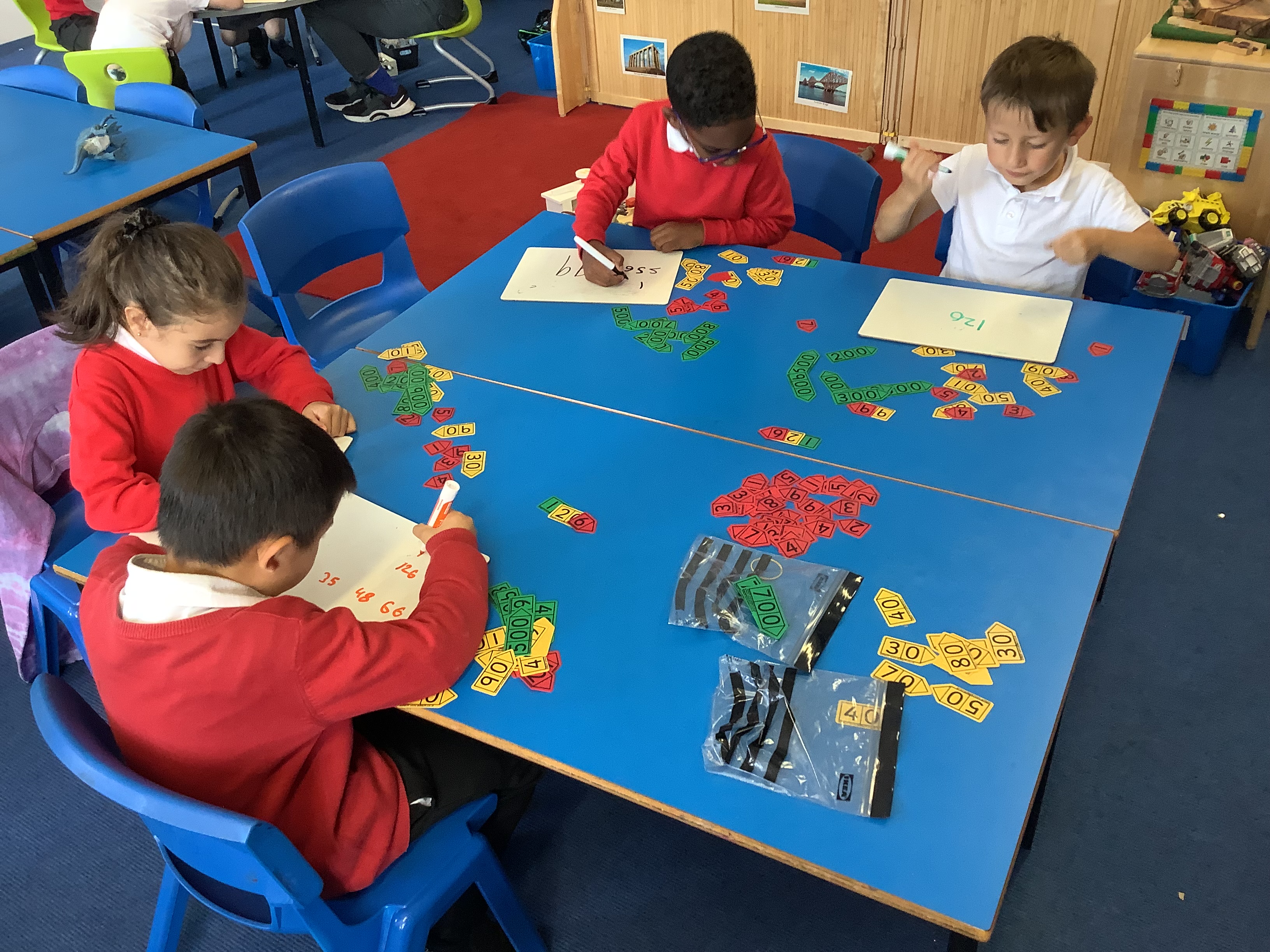
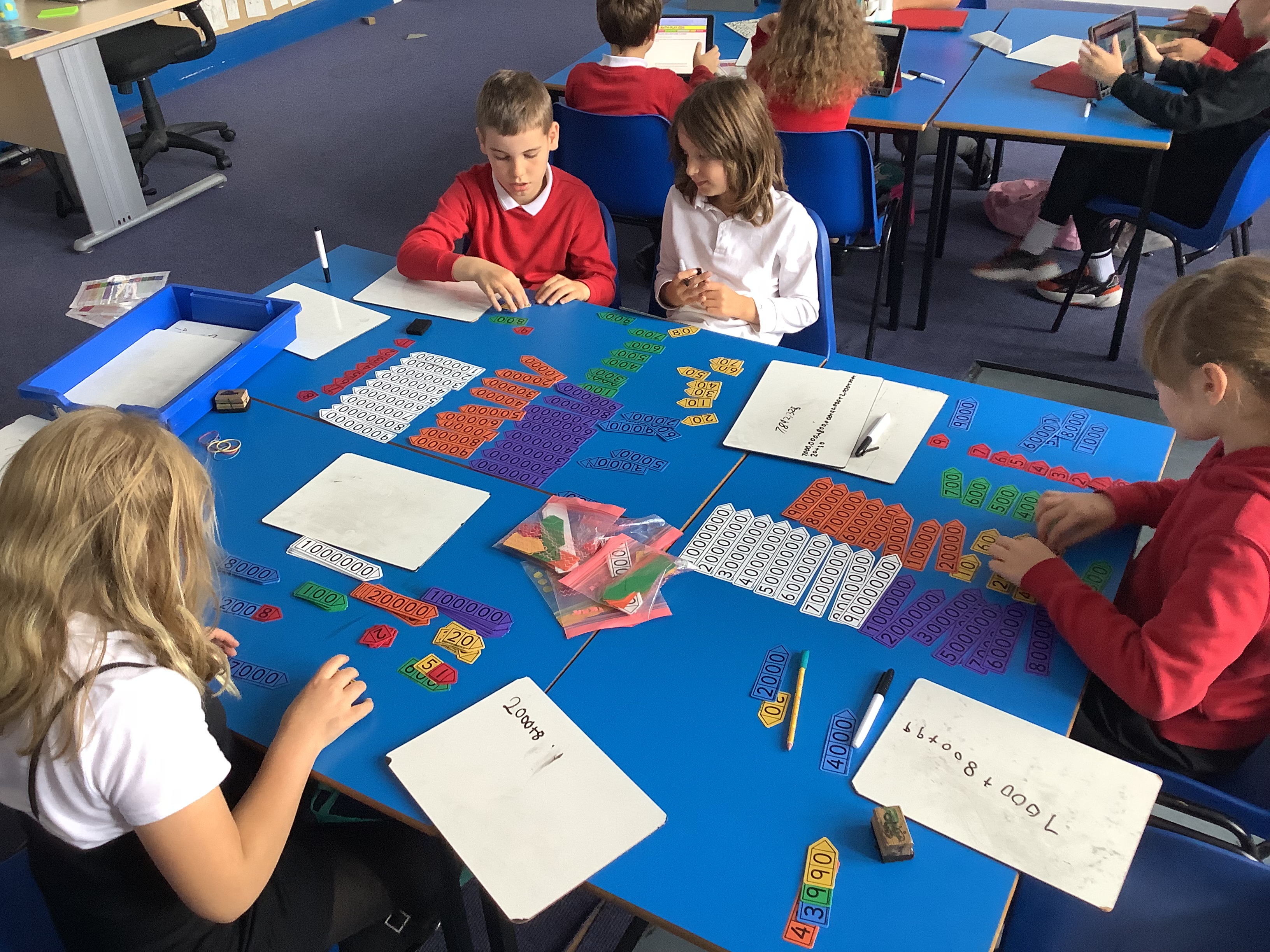
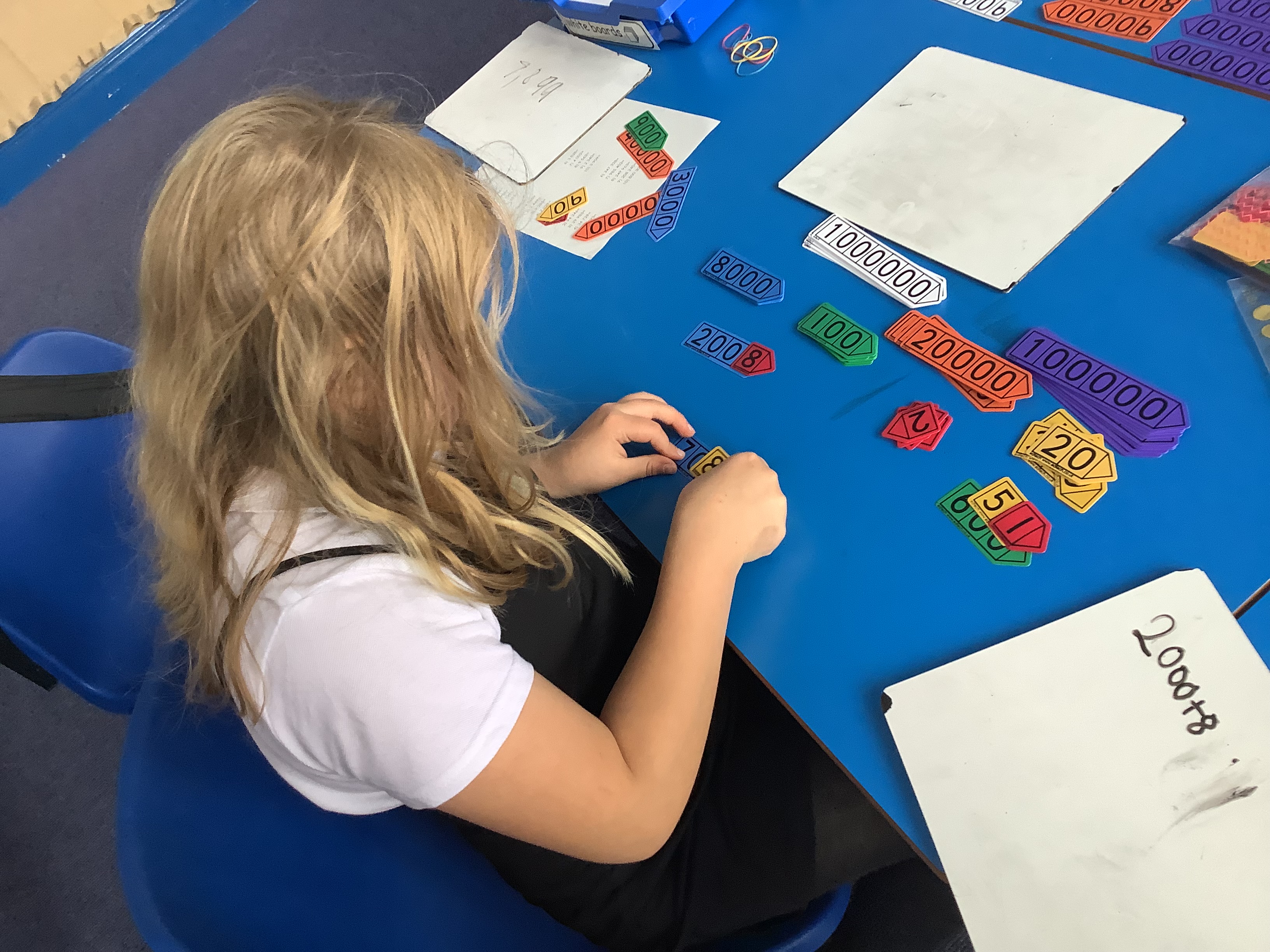
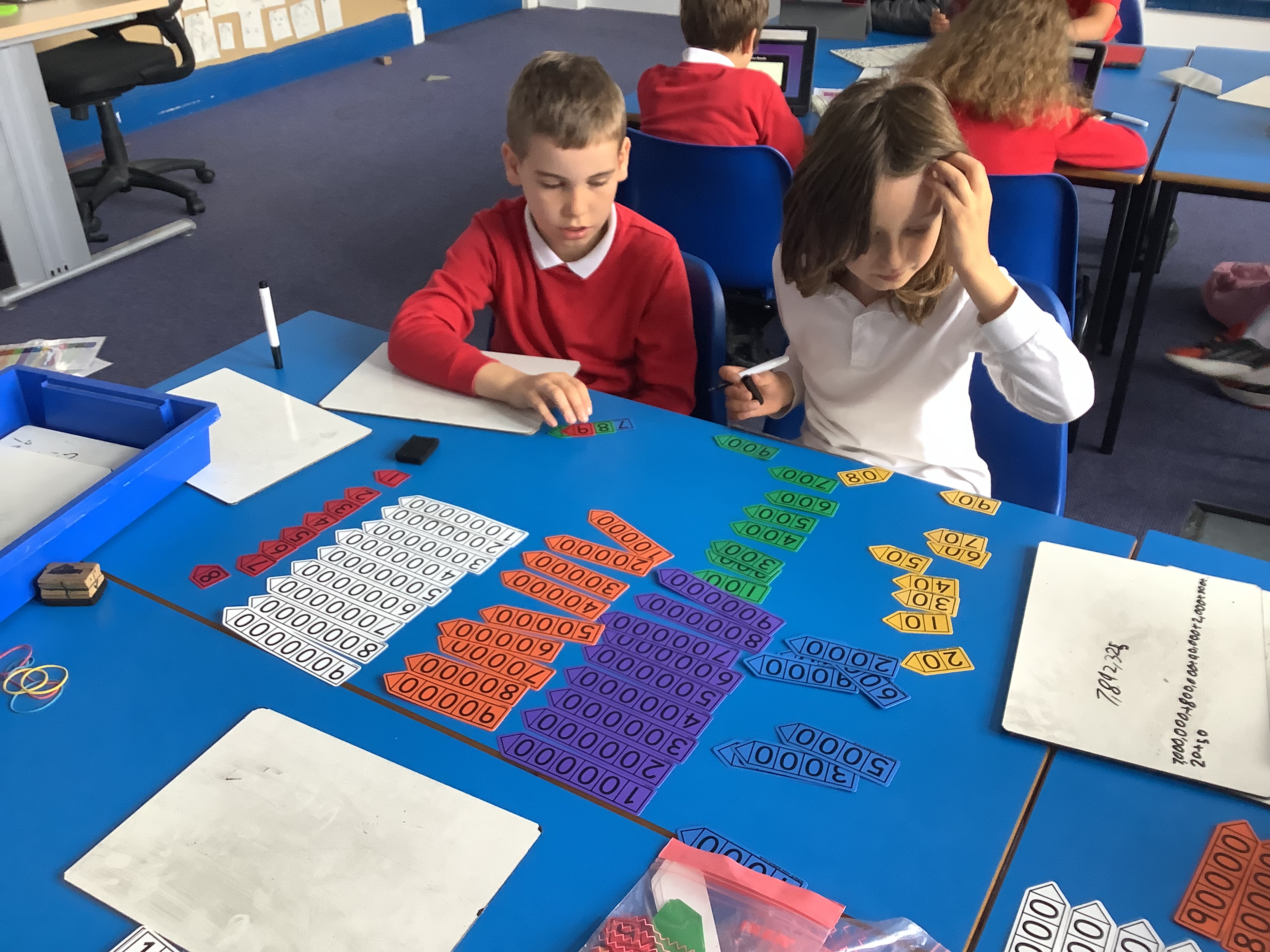
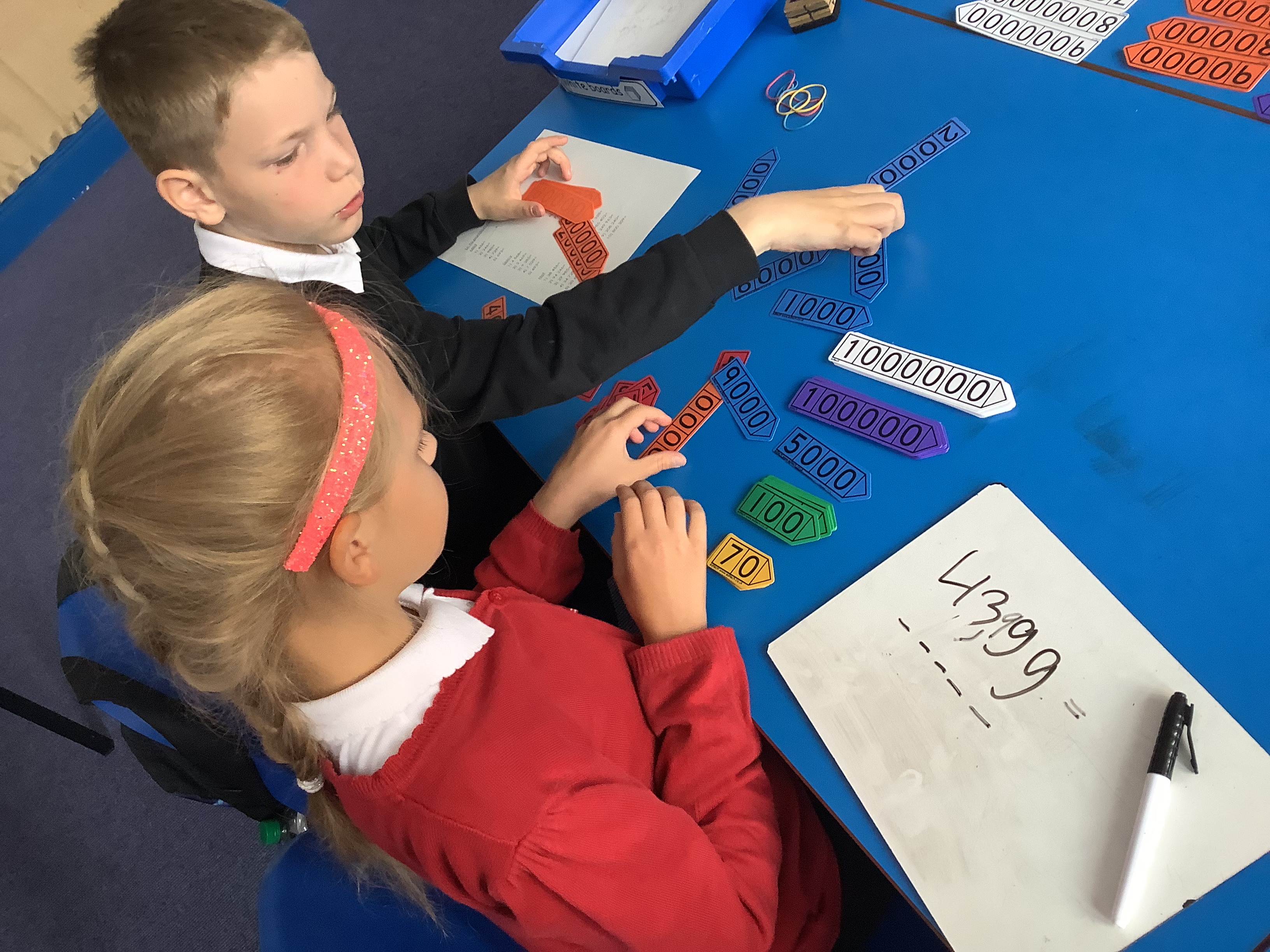
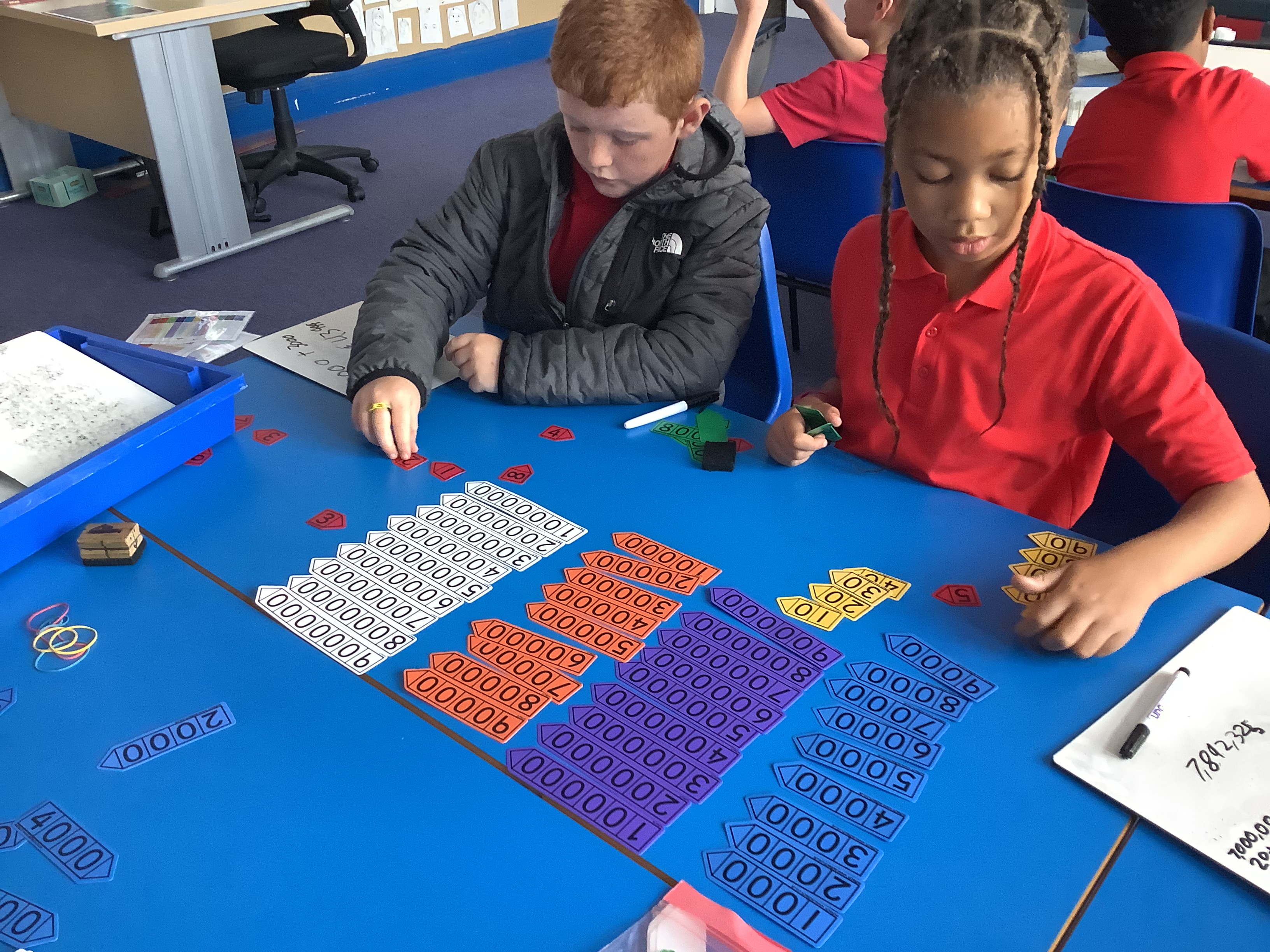
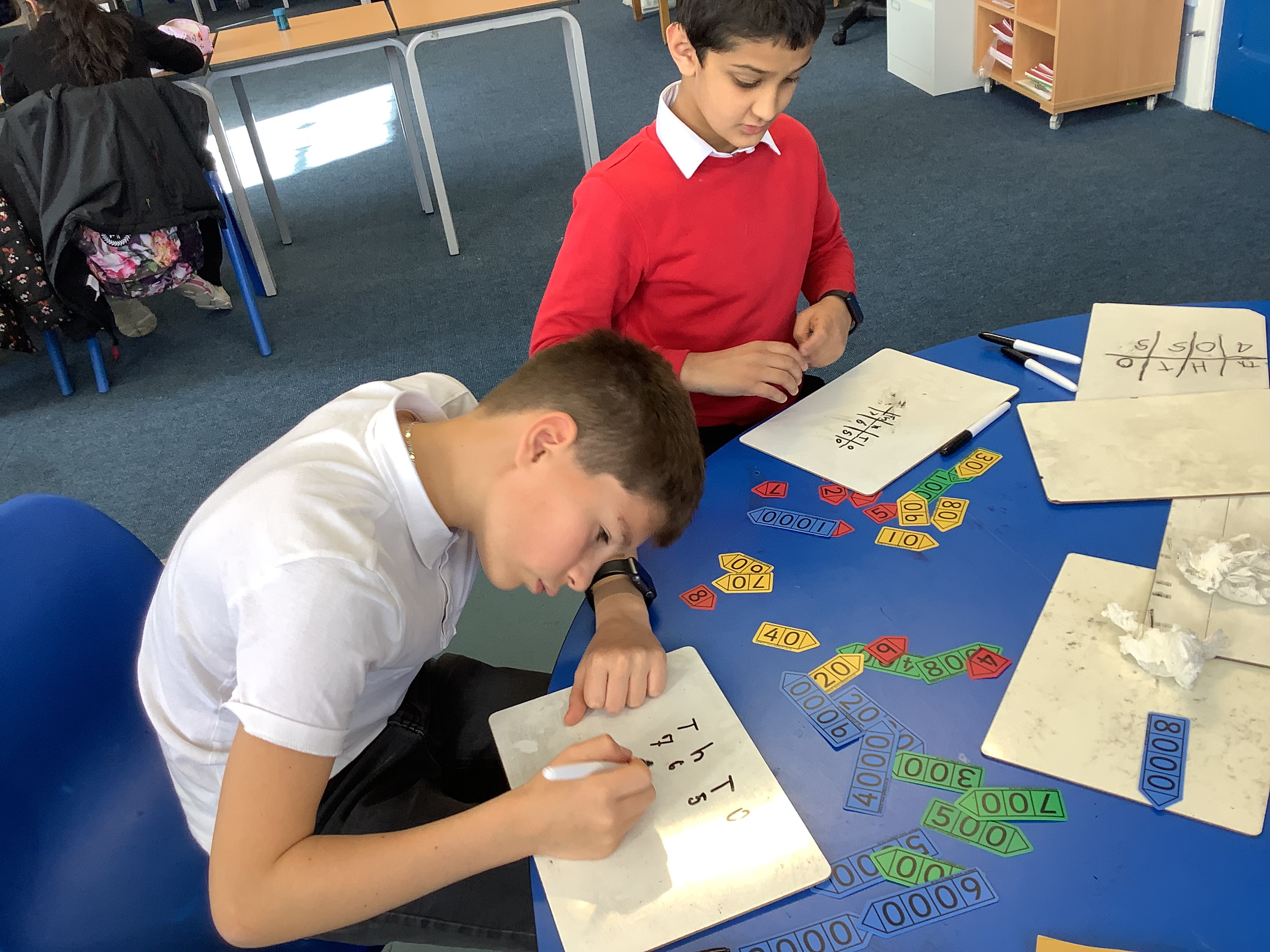
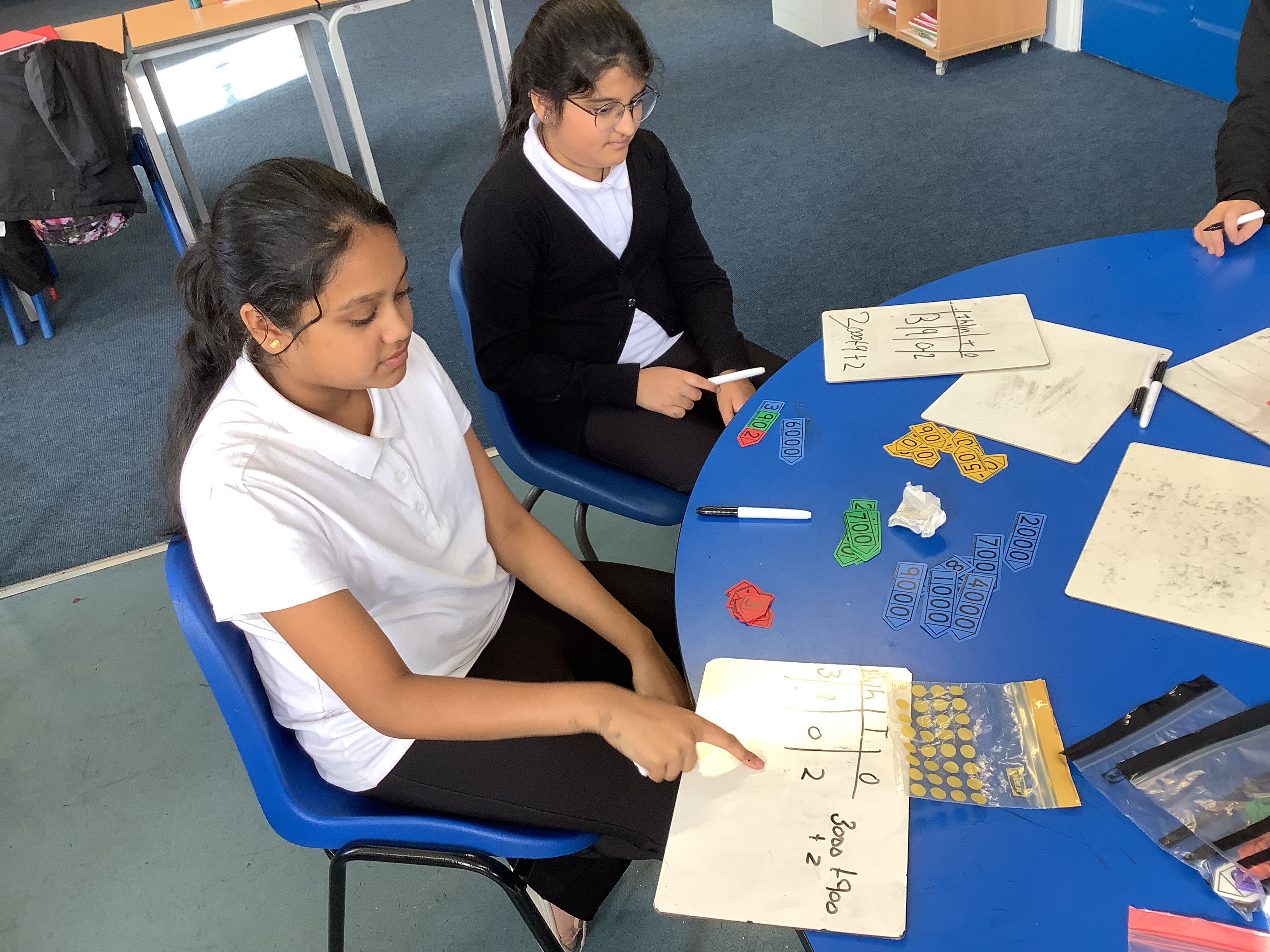
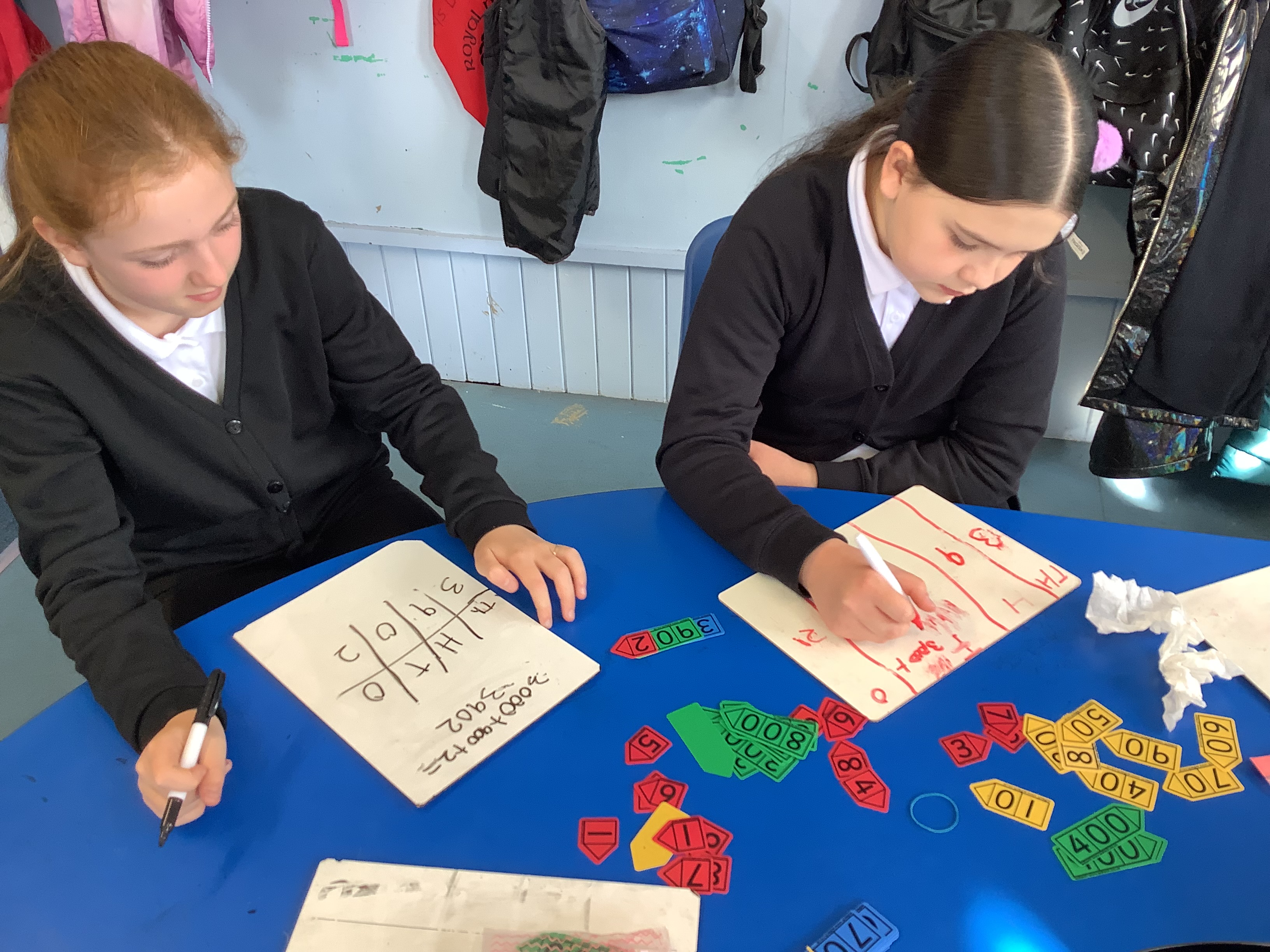
experimenting with Place Value arrow cards and partitioning numbers into
100s, 10s and 1s
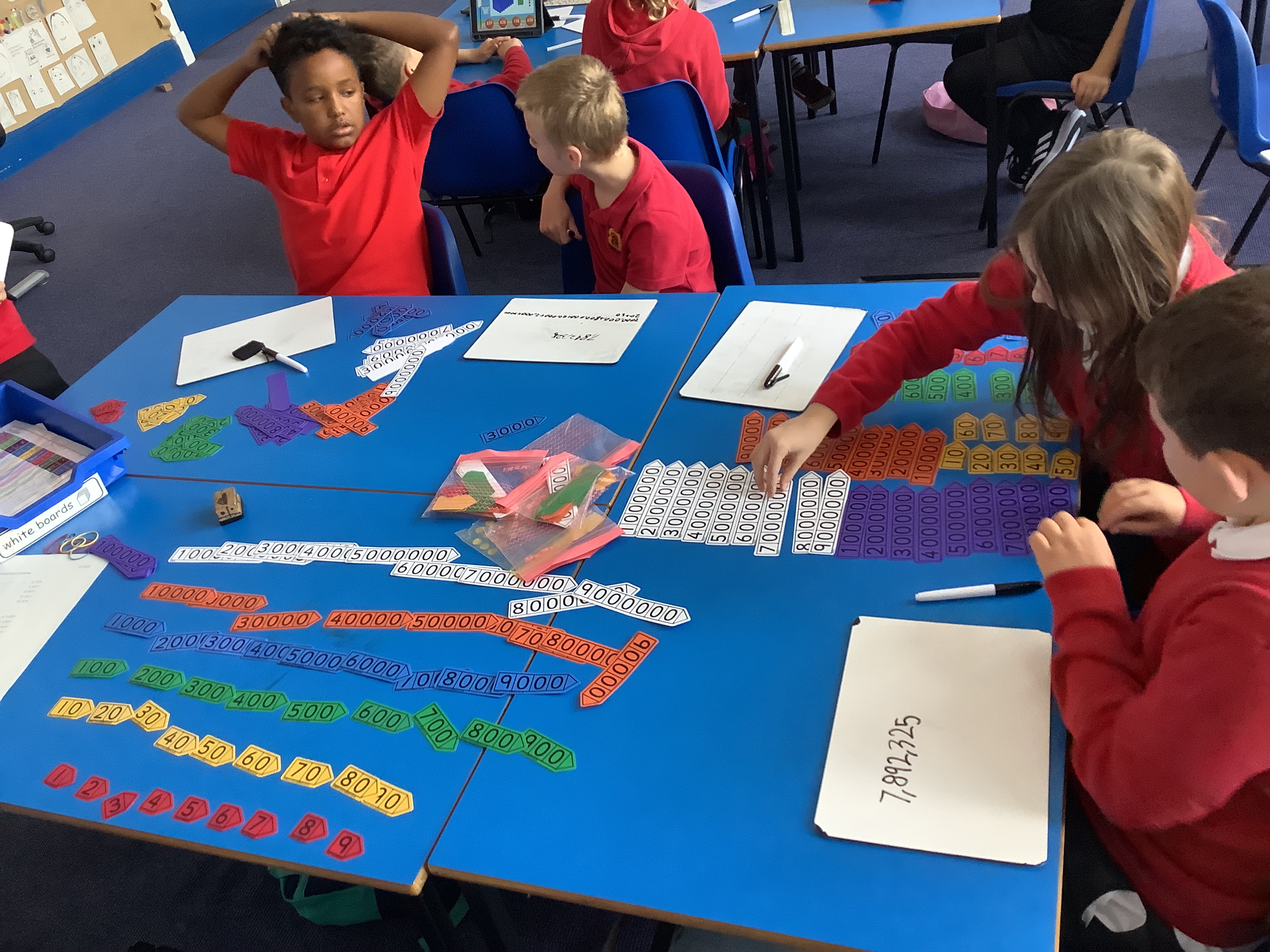
Place Value arrow cards represent numbers in expanded notation. The cards overlap to form multi-digit numbers.
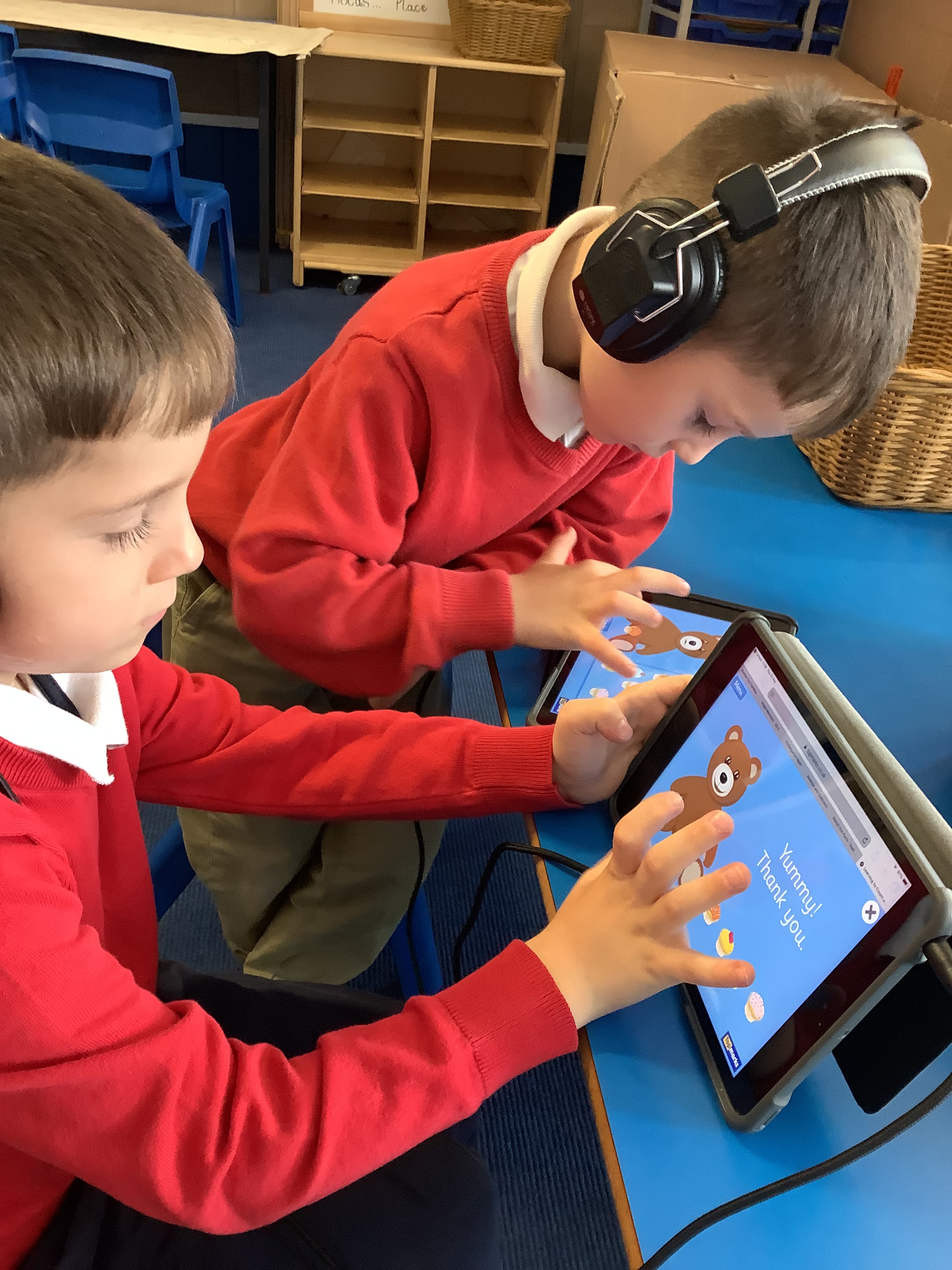
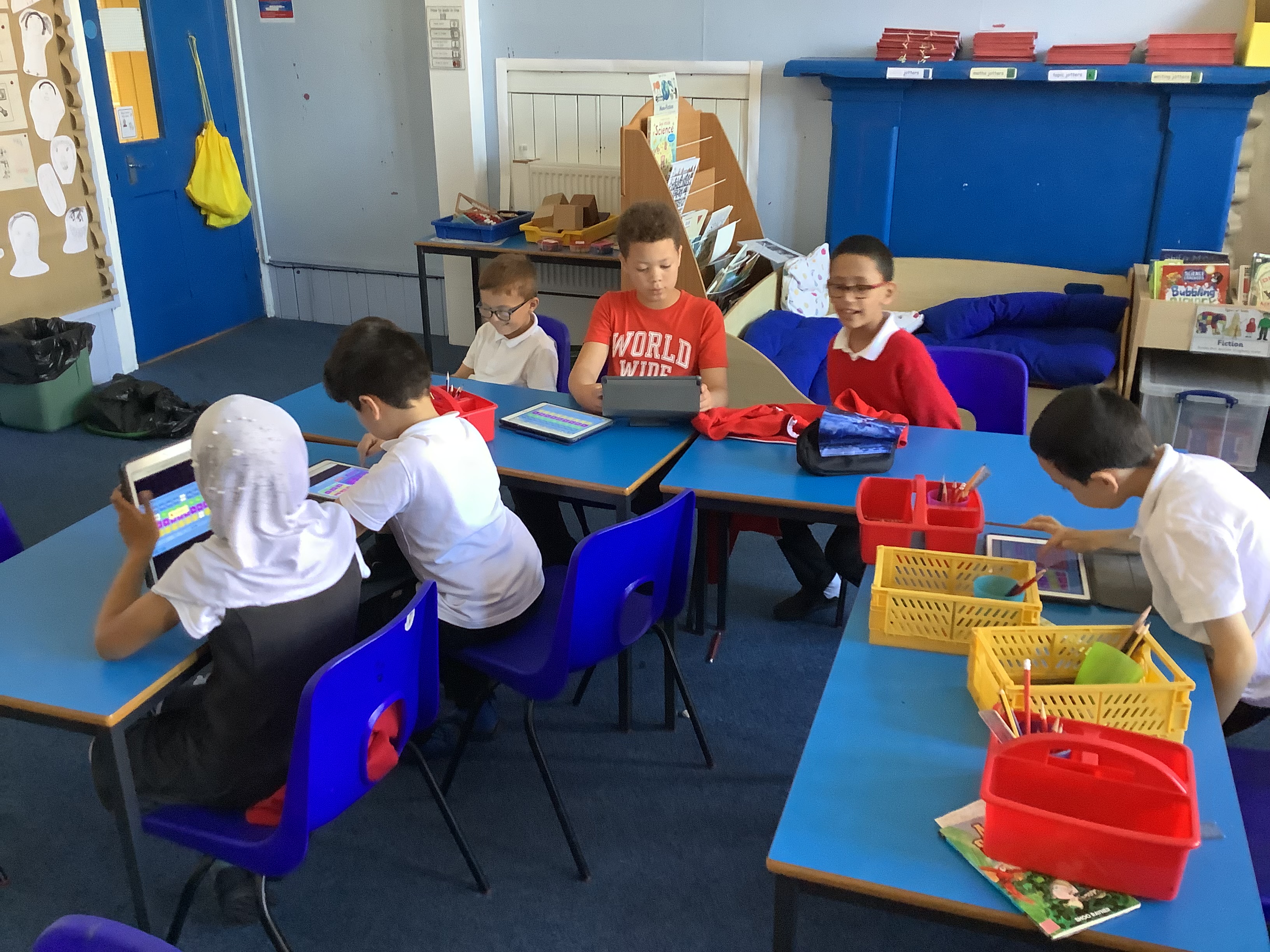
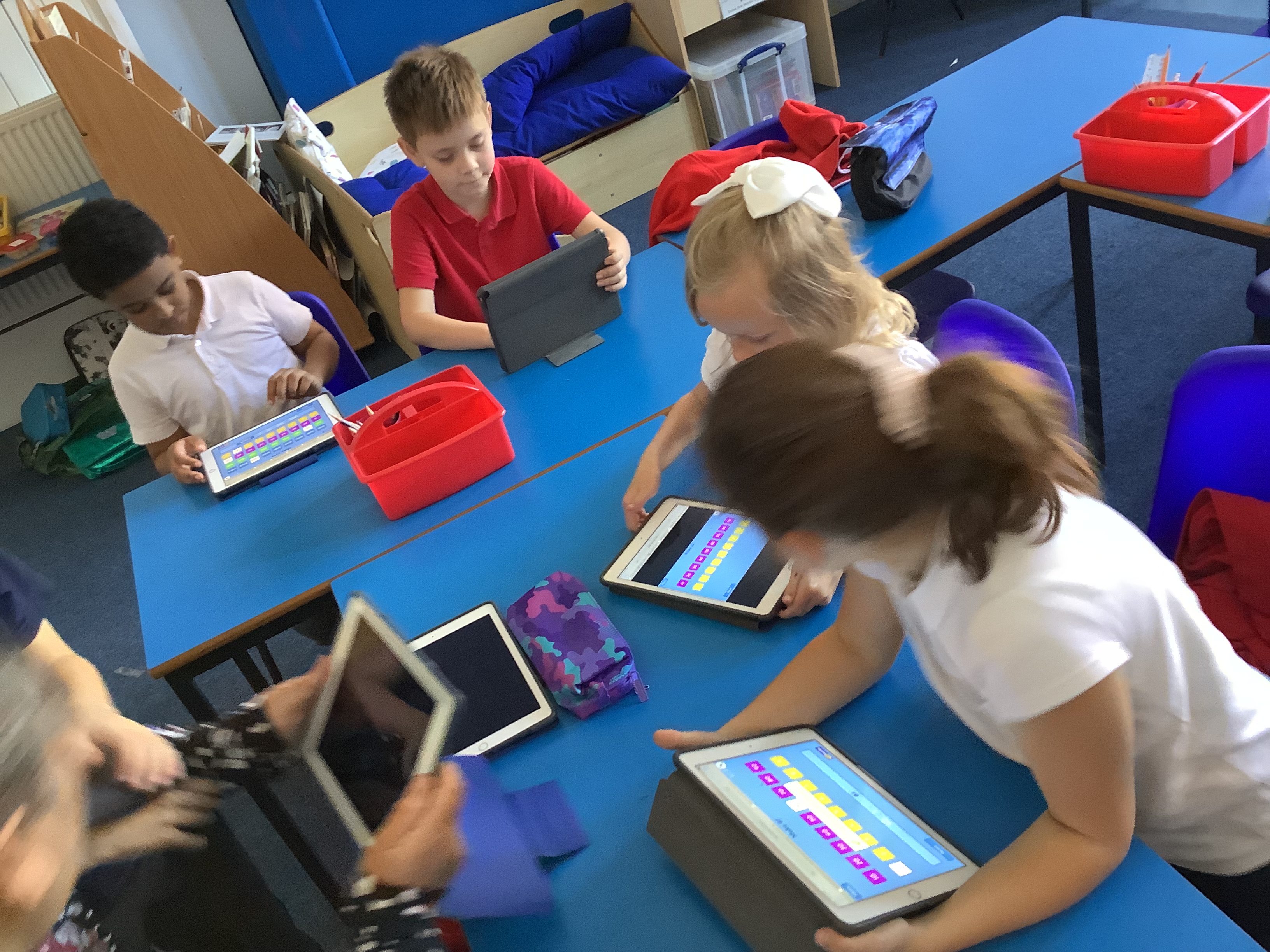
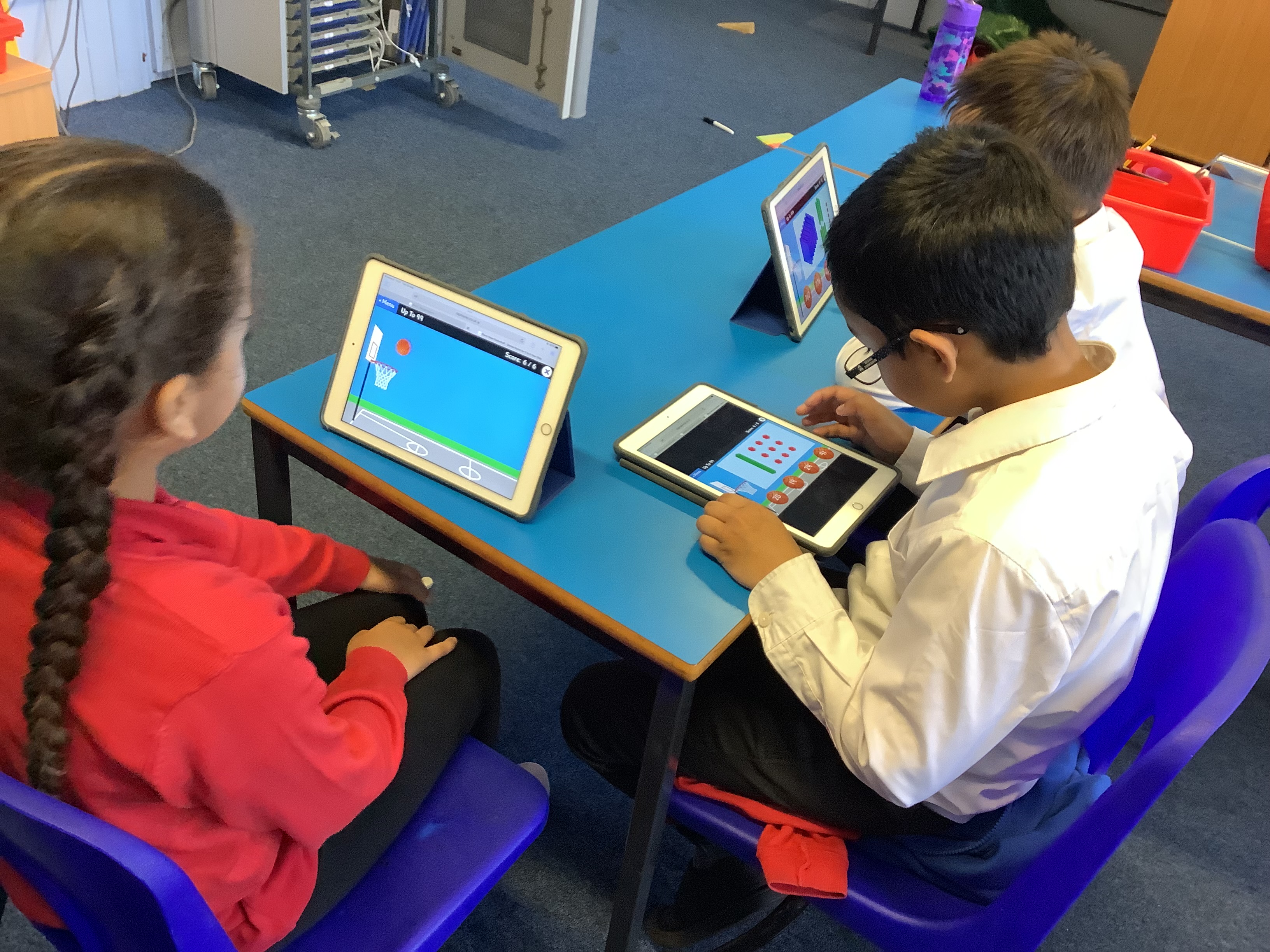
and consolidation with online games.
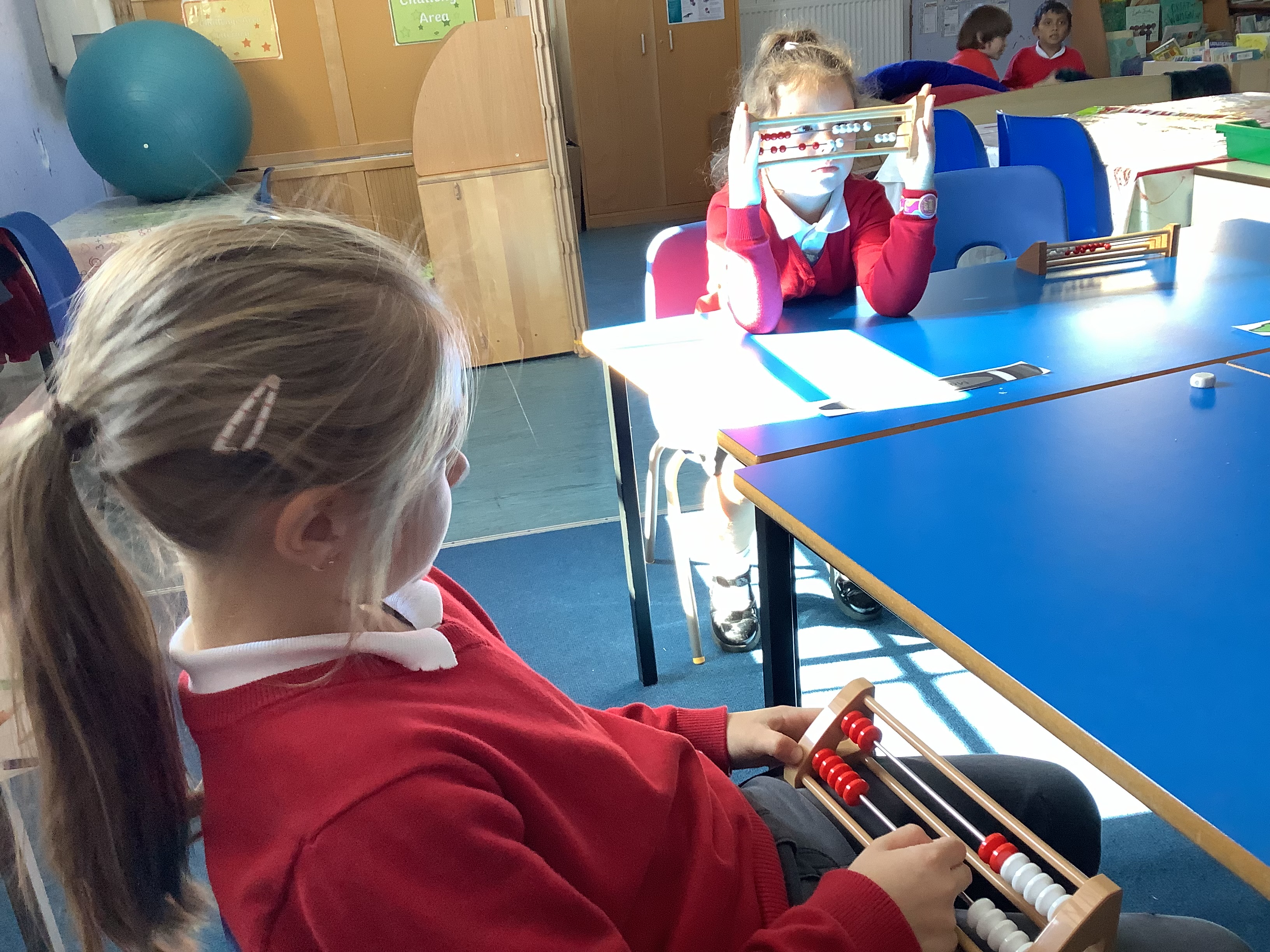
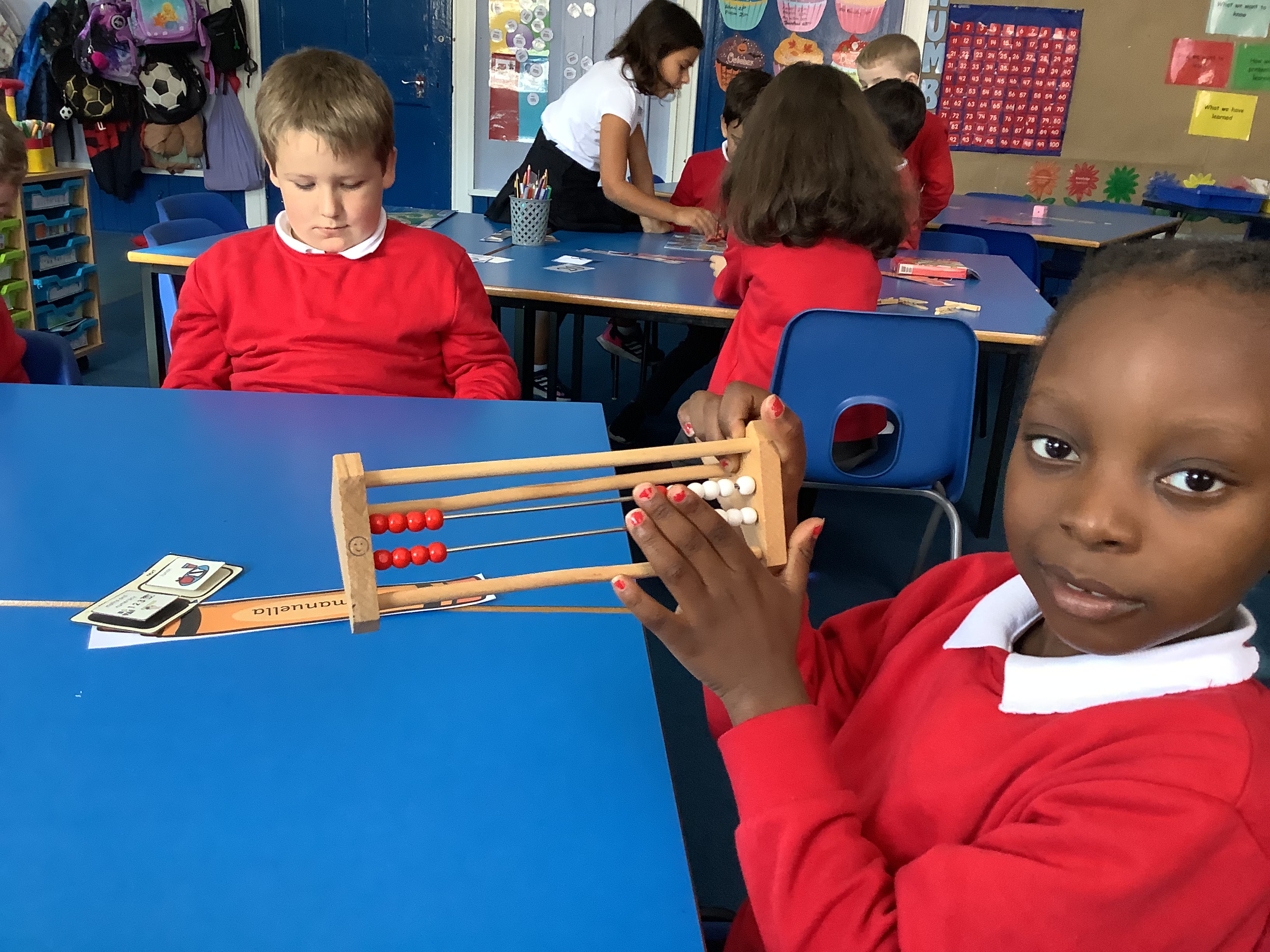
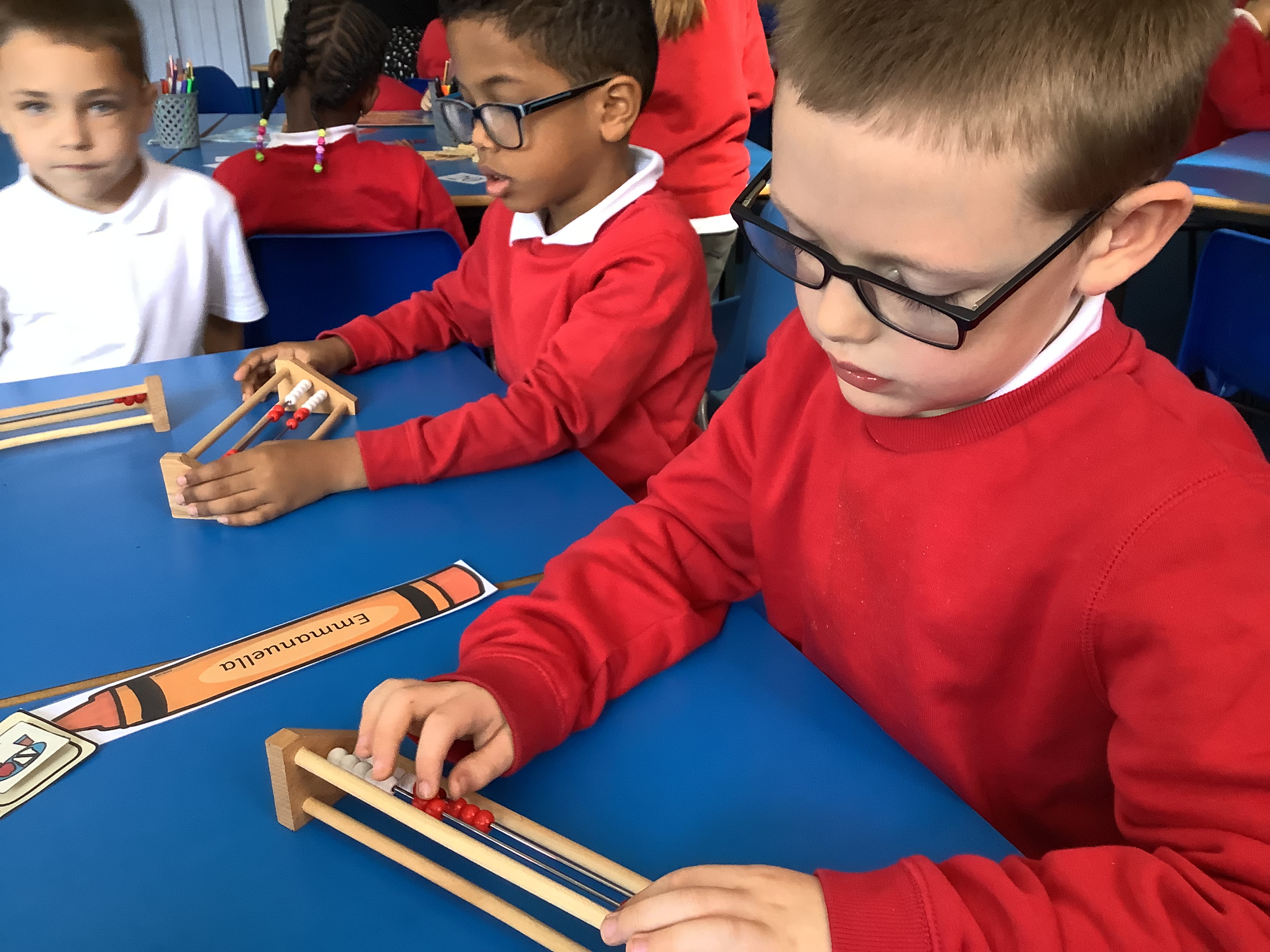
lots of practice with visualising and learning important principles of seeing patterns, anchoring numbers and enforce number bonds with the hands on teaching resource REKENREKS.
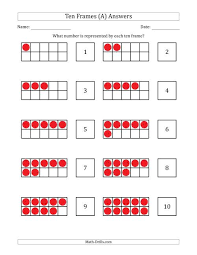
and Ten frames – to help develop a strong number sense! Ten frames are very useful in helping learners visualise numbers and build a good understanding of the relationships between numbers.
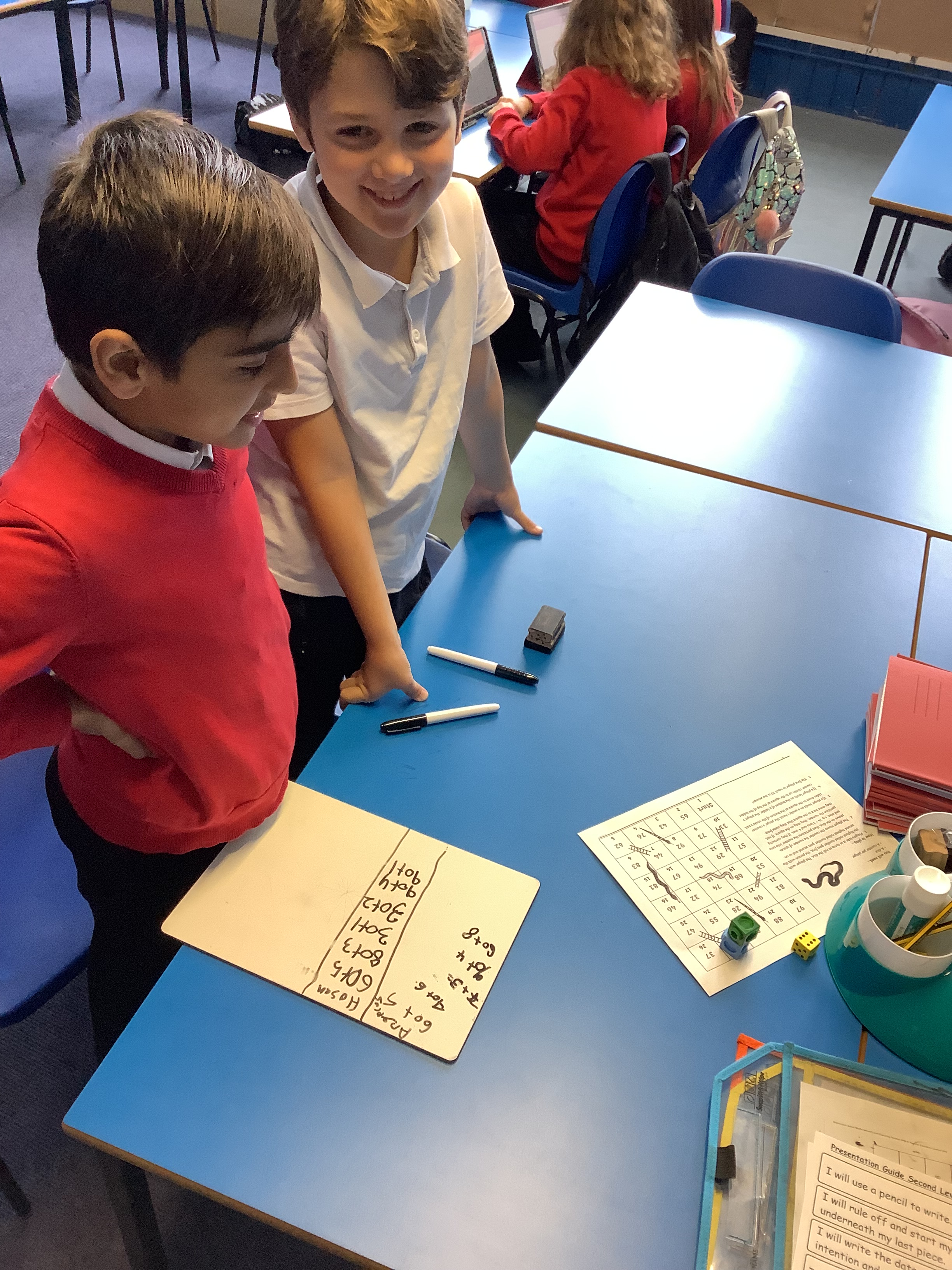
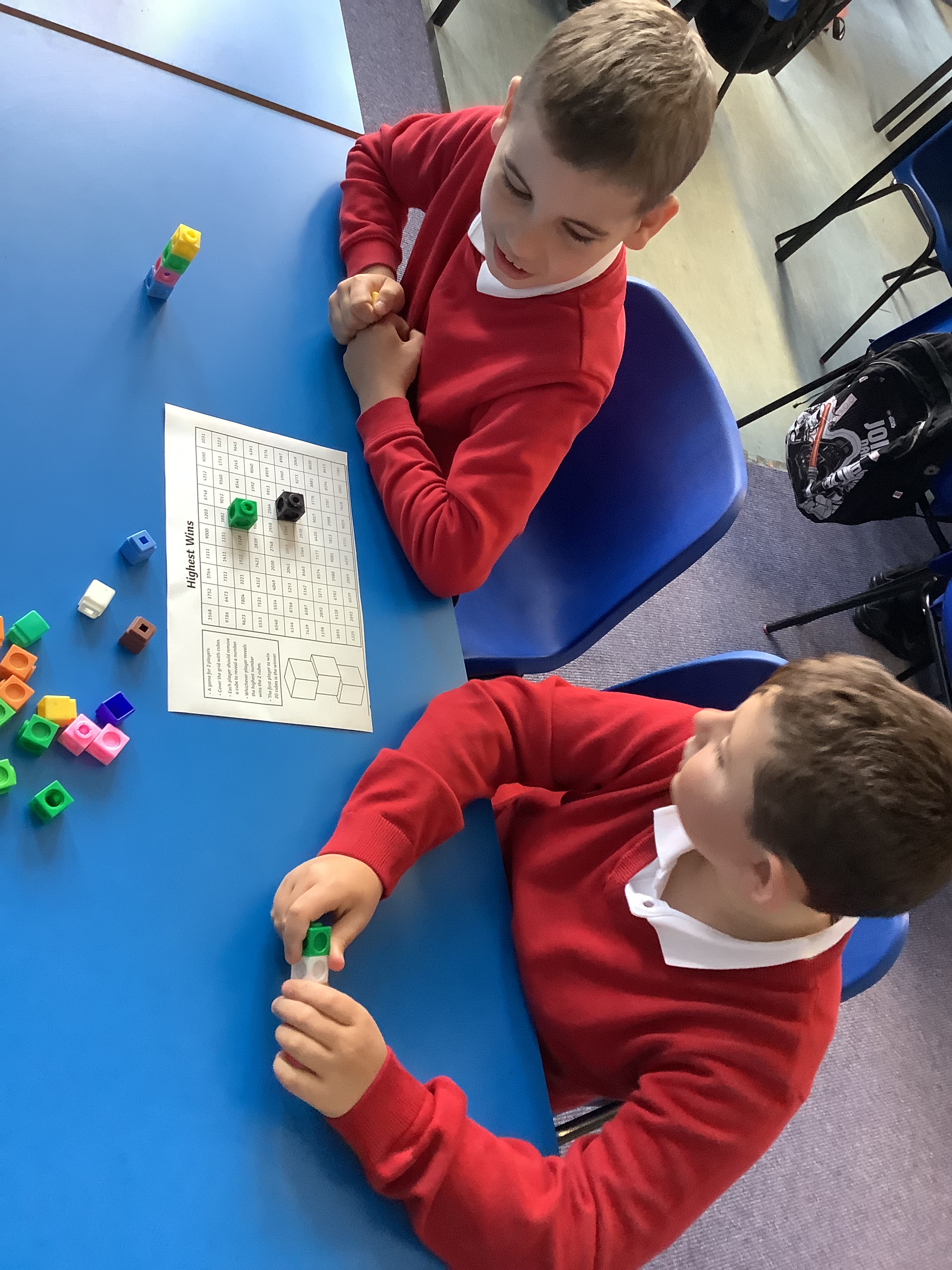
fun with board games and
using DIENES resources to represent 1,10,100 and 1000
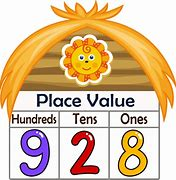
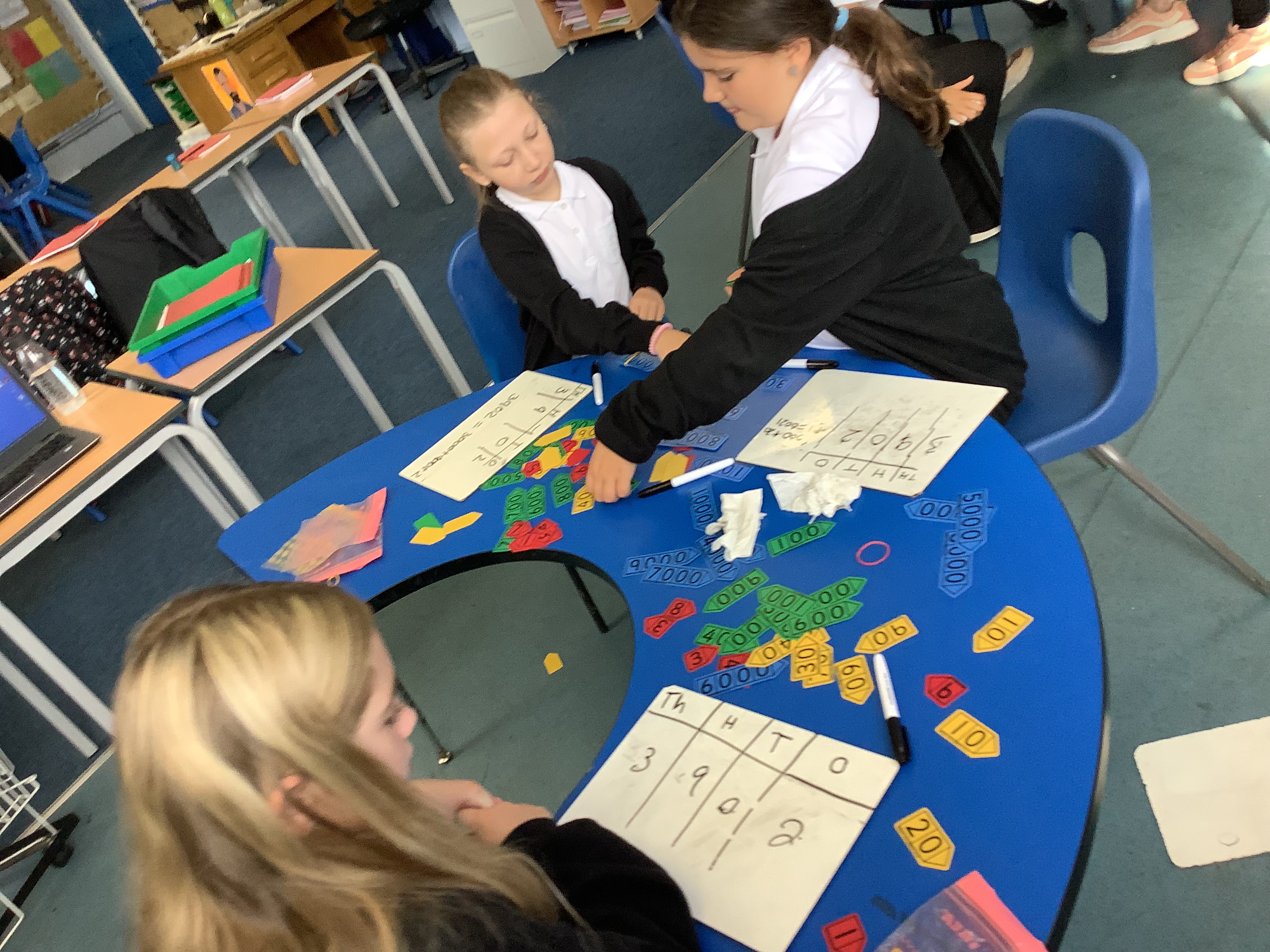
allowing the learners to understand the relationship between the different columns on a place value grid:
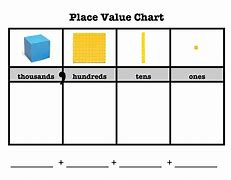
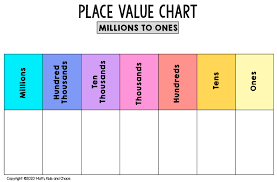
using a variety of resources to identify, write and partition numbers up to 1 000 000 including Place value charts to help find the place value of each digit based on its position in a number.
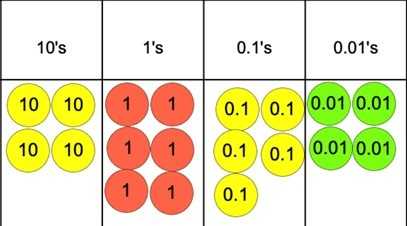
using Place value discs including decimal numbers to tenths.
Place value disks help learners compare the value of each place, like that the tens place is ten times the ones place.
focusing on rounding to 2 decimal places.
We are excited to get started with Addition and subtraction next. See you soon! 🙂
Primary 3, 4, 6 and 7 will visit the Museum on the Mound –
Located in the historic Bank of Scotland Head Office, this fascinating museum takes a fresh look at money – and much, much more. Art & design, technology, crime, trade and security – all feature in the story of money.
and focus on amazing workshops such as:
What is Money? – Investigate a range of extraordinary artefacts once used as money in other cultures.
Heads and Tails – Explore the design and security features of coins. Discover how they were made in medieval Scotland and strike your own.
Design Your Own Banknote – Compare and contrast banknotes past and present. Add security features to your own note using stamps and invisible ink.
Kists & Keys – Spark conversations about value, some of the benefits and risks of using cards and how to keep money safe using the Museum’s collections, including £1,000,000.
We are hoping to experiment with BBC coding challenges and
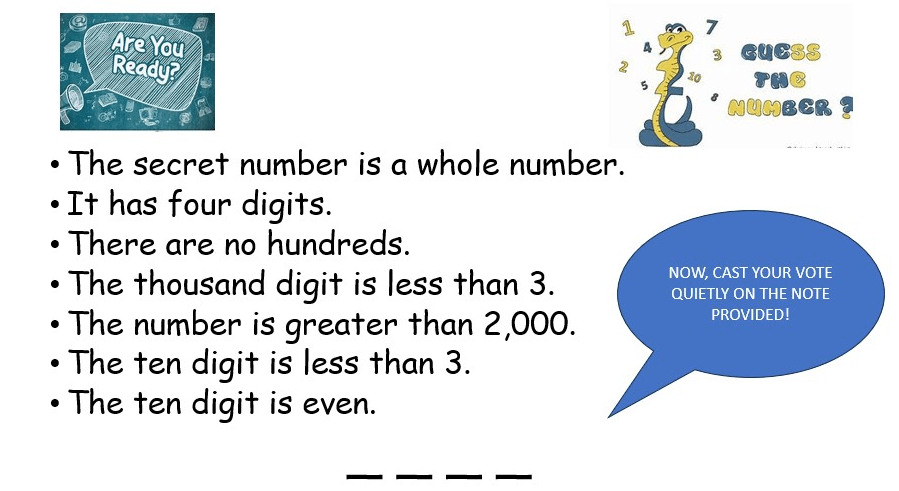
Lots of opportunities to play motivating maths games by just scanning QR codes dotted around the school and spend lots of time focusing on
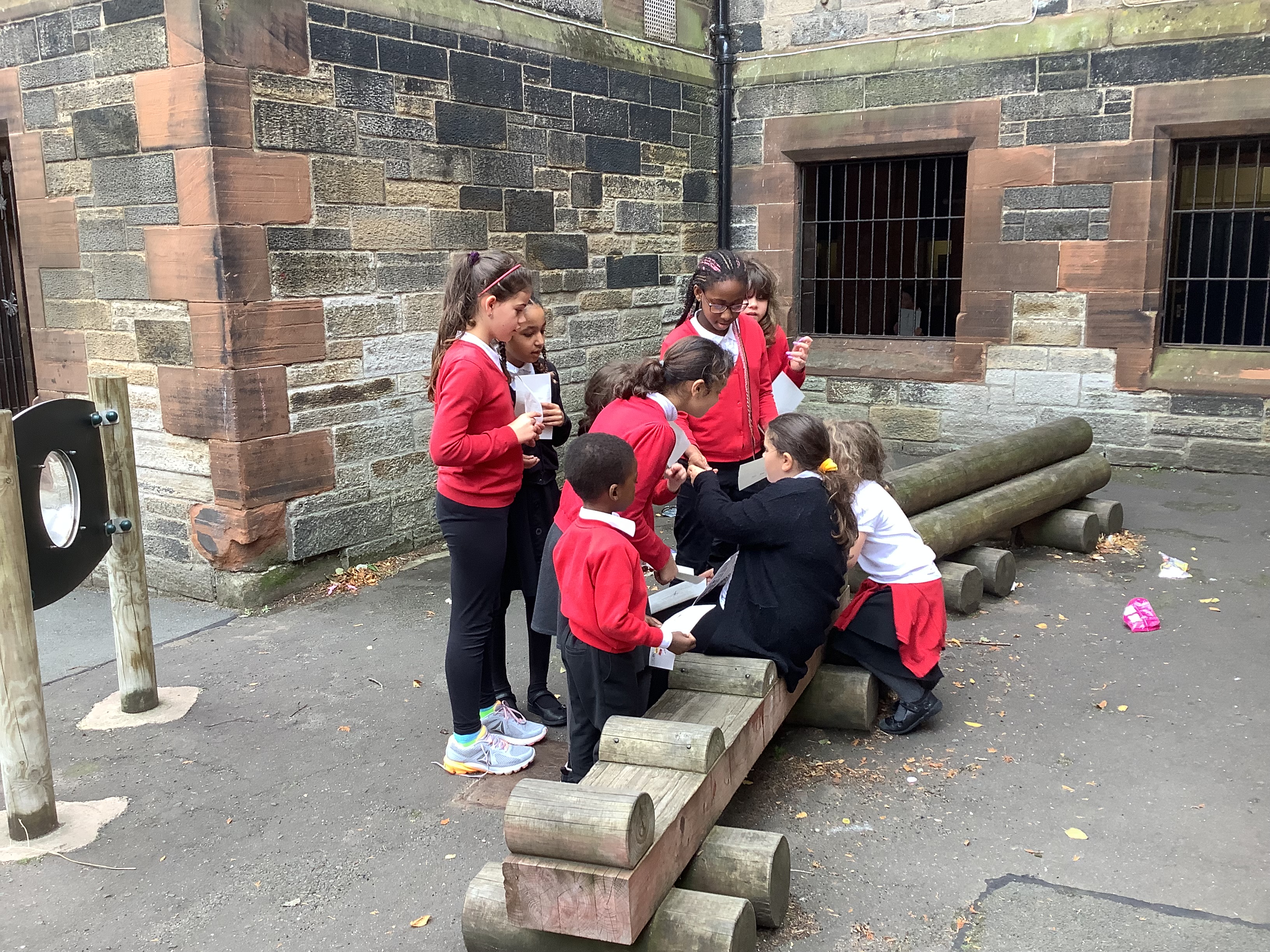
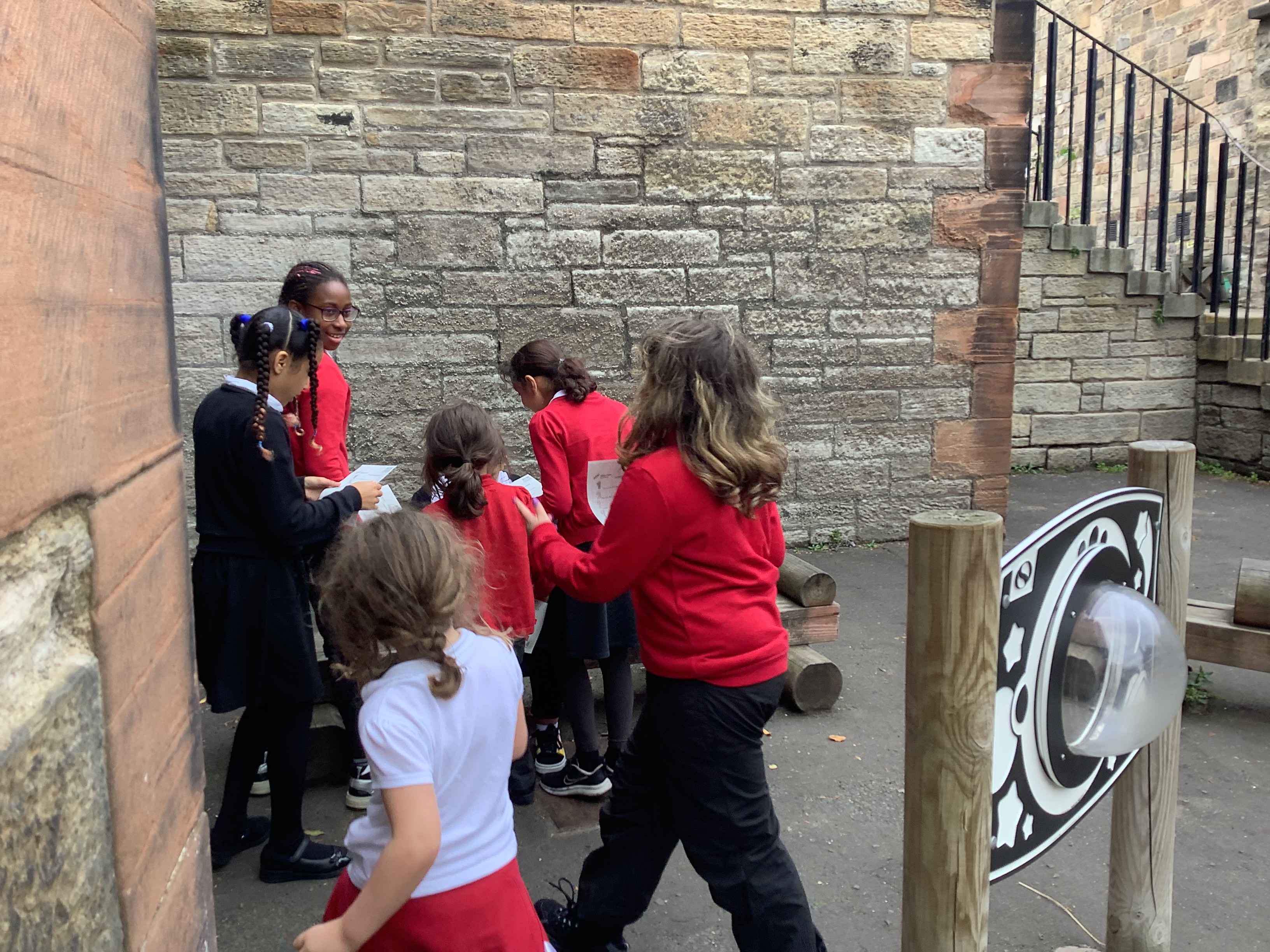
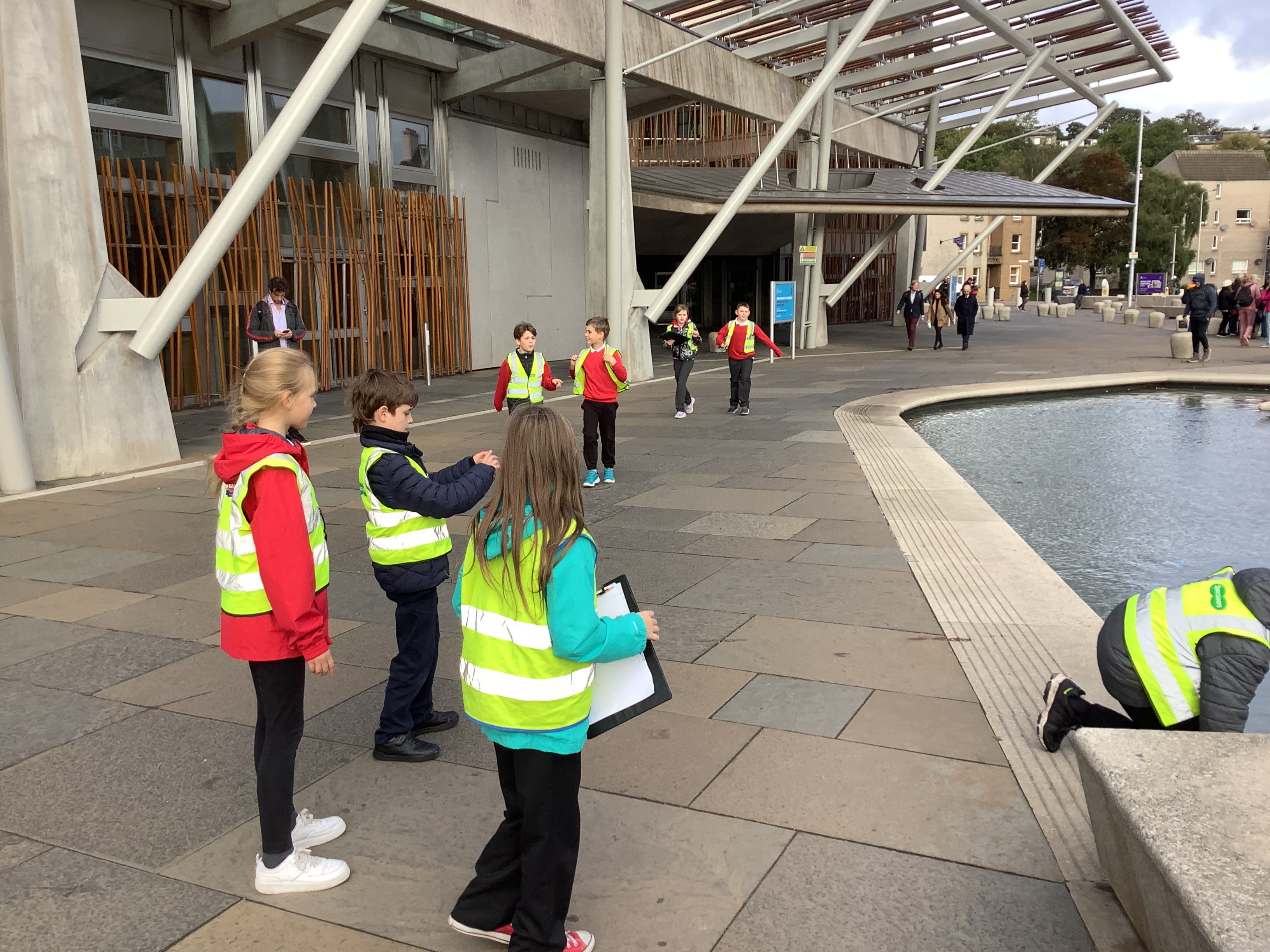
such as maths walks.
We already look forward to a
competition!
for your ideas and suggestions too! 🙂
Is there something maths/numeracy related that you always wanted to find out more about?
What did you really enjoy during the previous maths weeks?
LET US KNOW! Please help us make it a fantastic maths week!


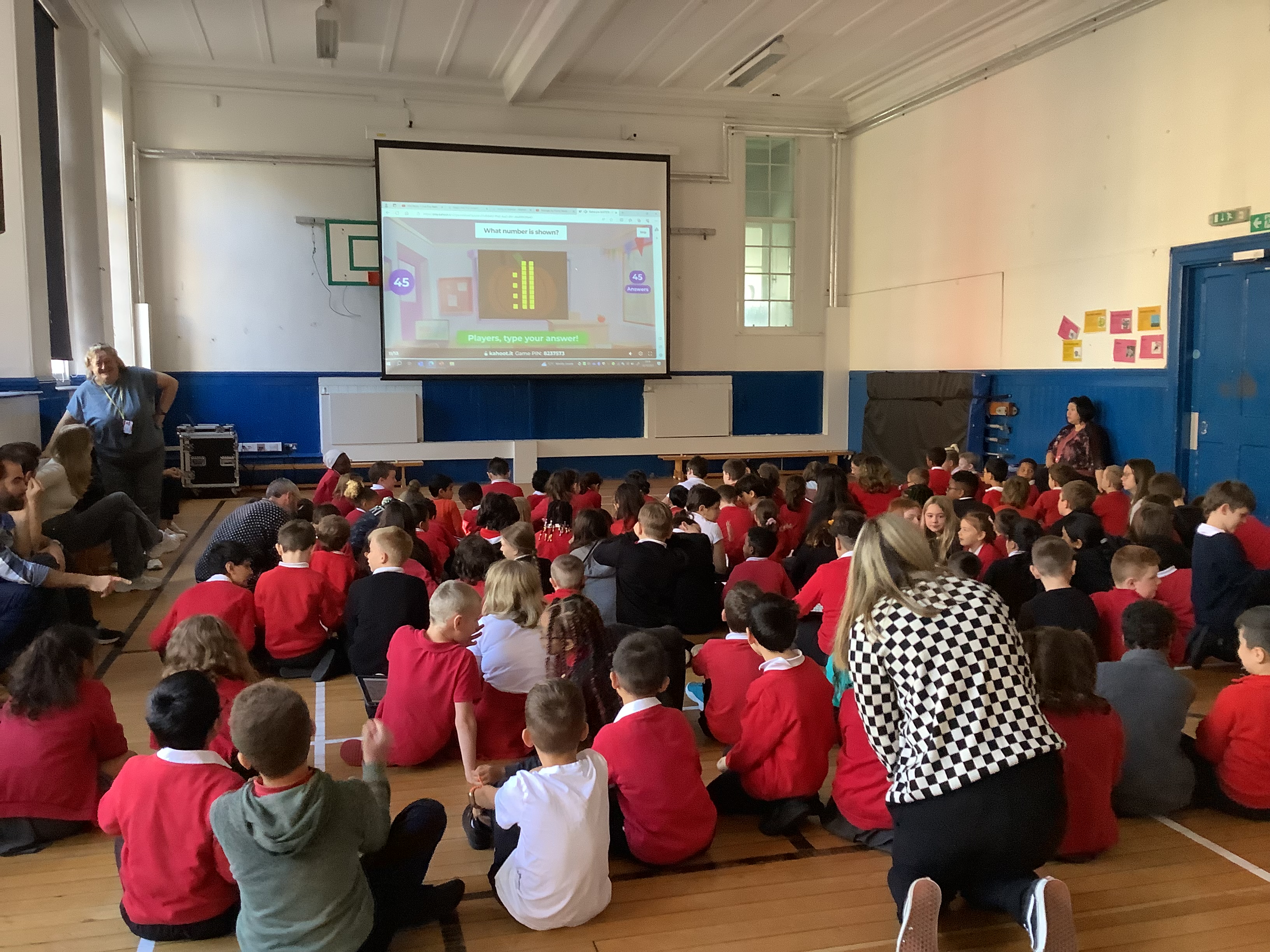


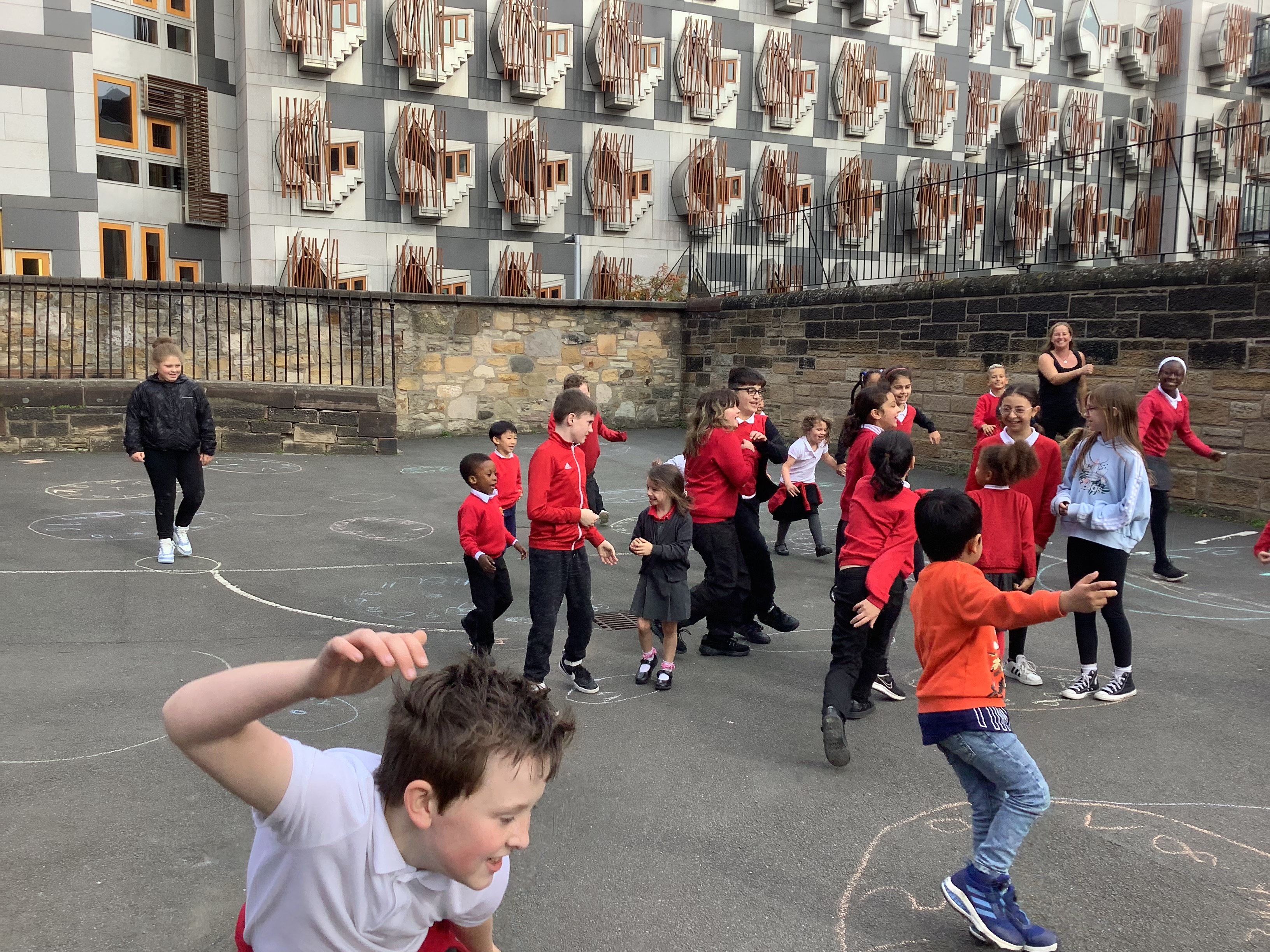


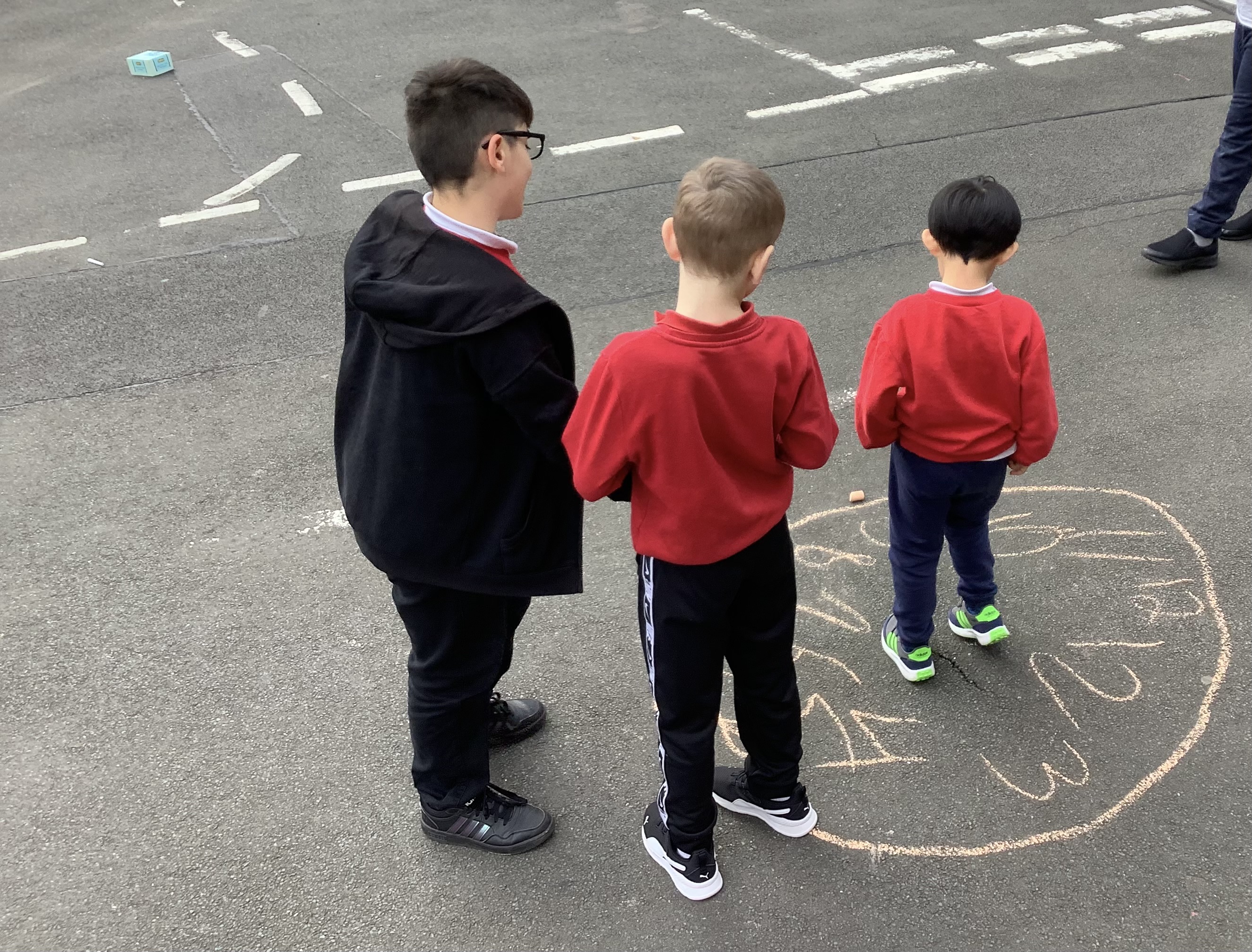
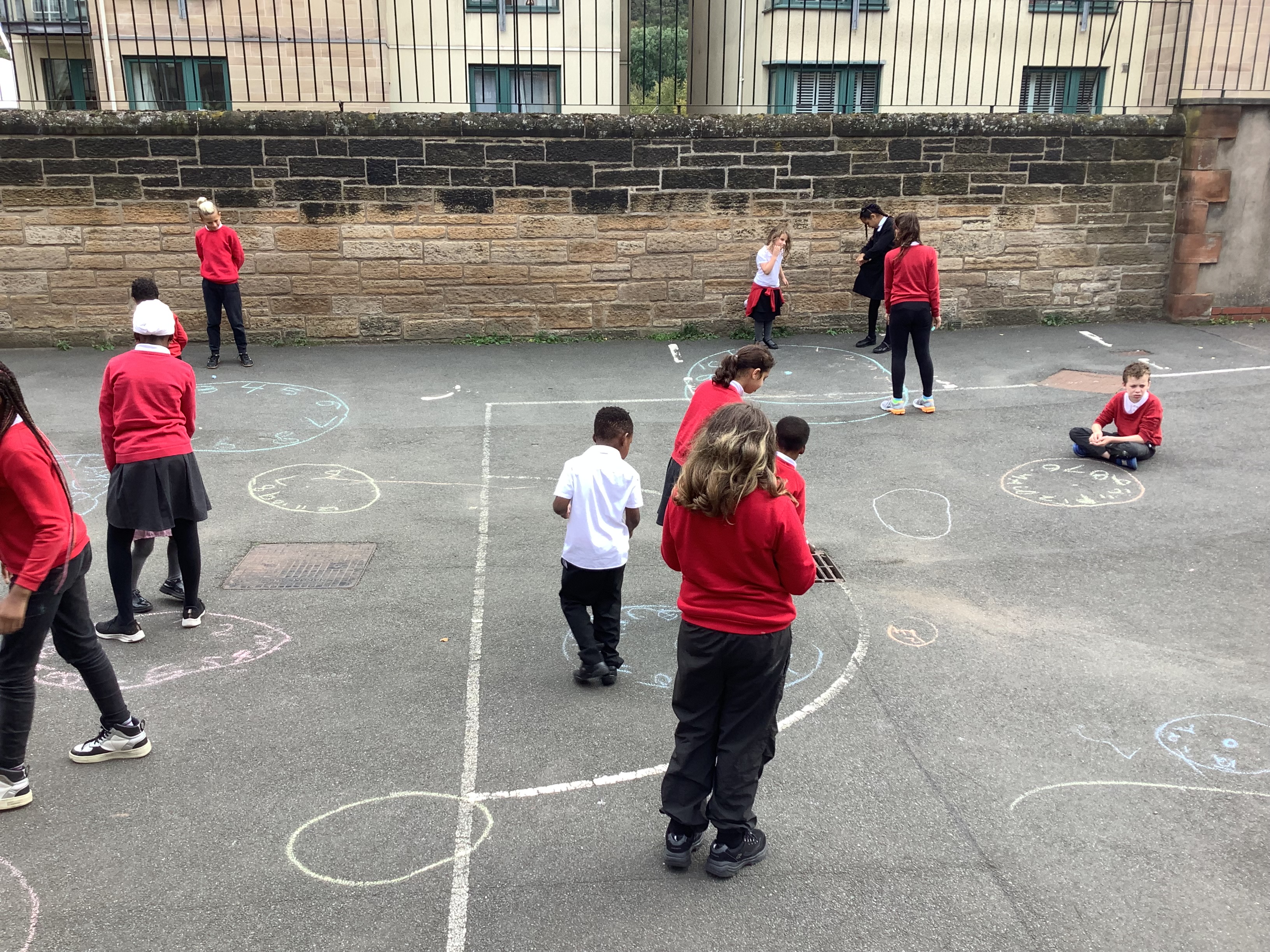


































 Royal Mile Primary School