On Tuesday, Wednesday and Thursday, school will be closed. This is due to strikes by UNISON members.
As teachers are not part of these strikes, home learning will be posted each day on your class blog at 9:00.
Below is a document explaining the format of each day.
We have aimed to support pupil routine by creating a timetable very similar to our school day. We hope by being consistent across the school, this will support families whom may be working together or sharing resources.
We look forward to welcoming you back to school on Friday, when pupils can share the learning that has been completed at home and we can celebrate their achievements.
focus we were keen to show you how hard we worked on
across the school:
having fun with numbers to 5, 10 (and beyond)!
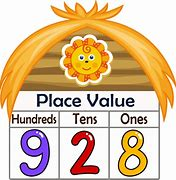
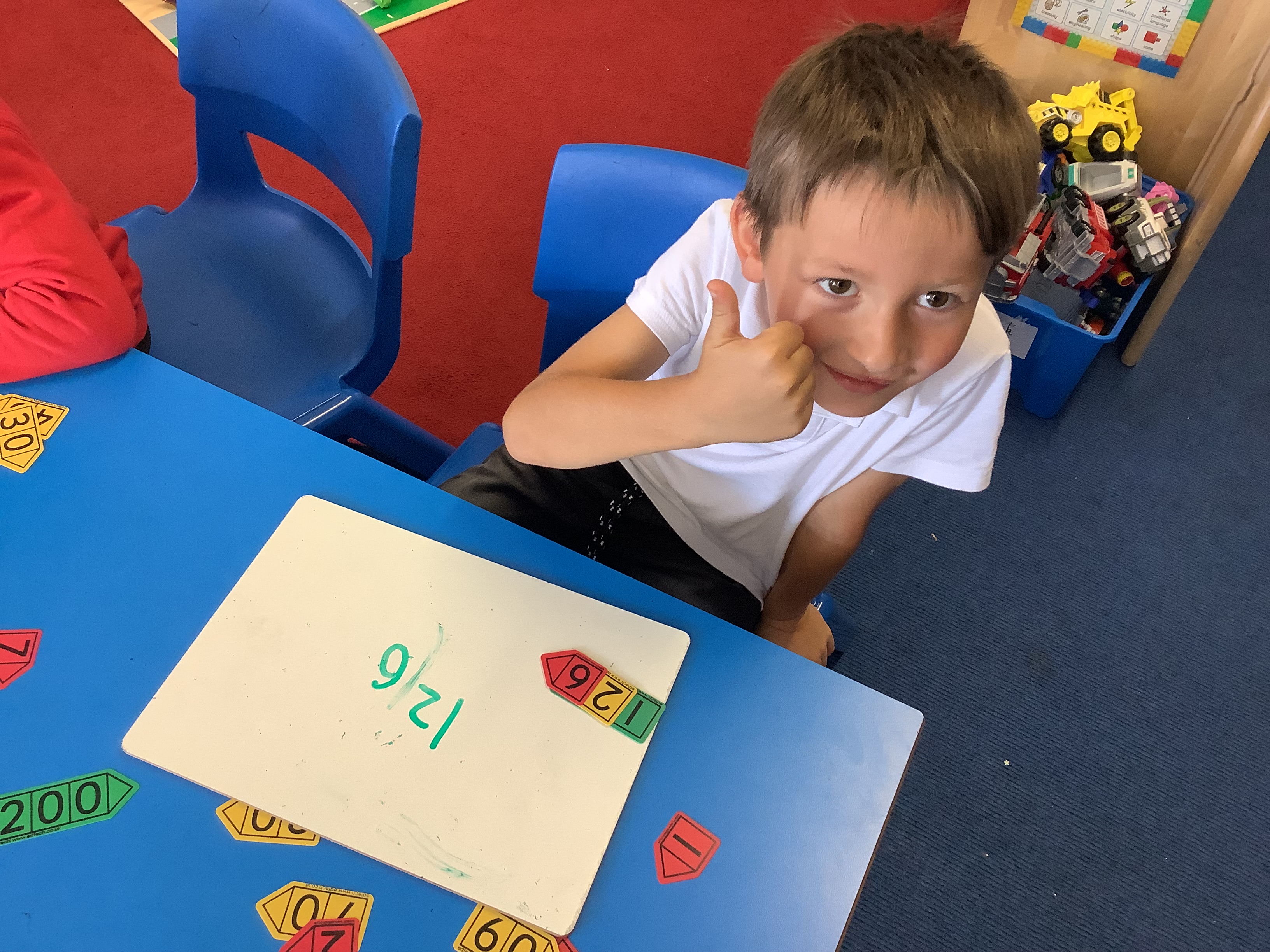
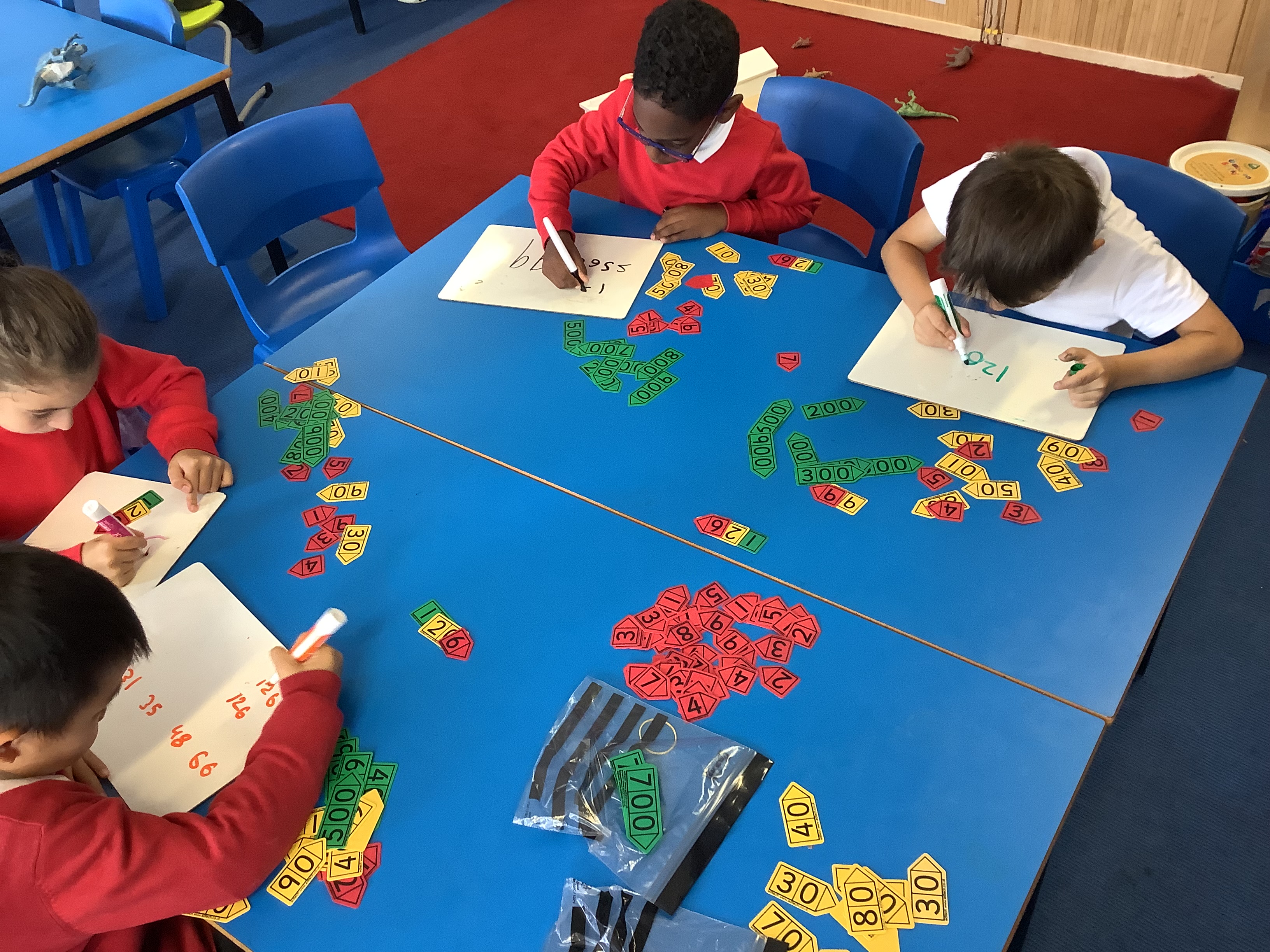
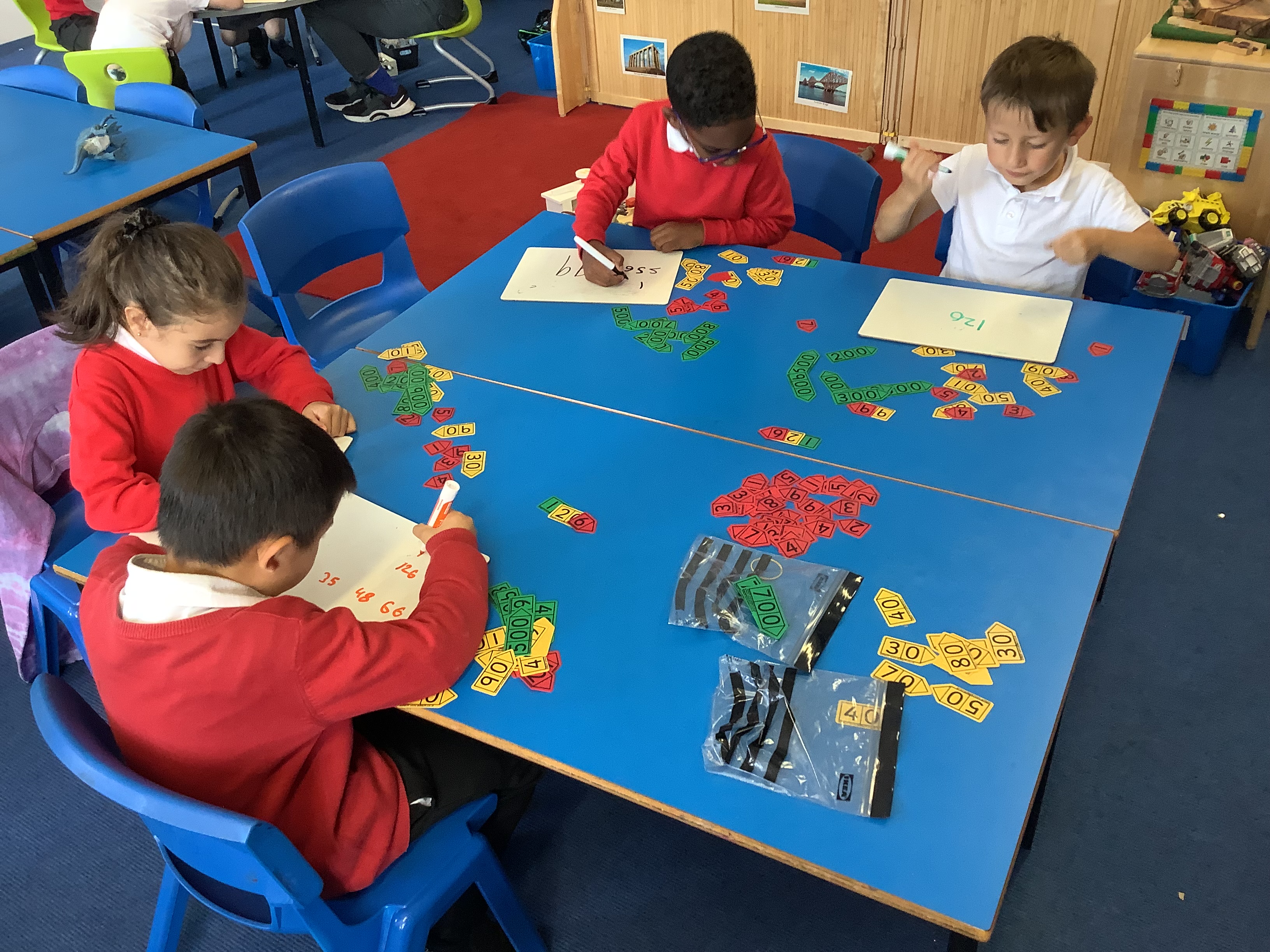
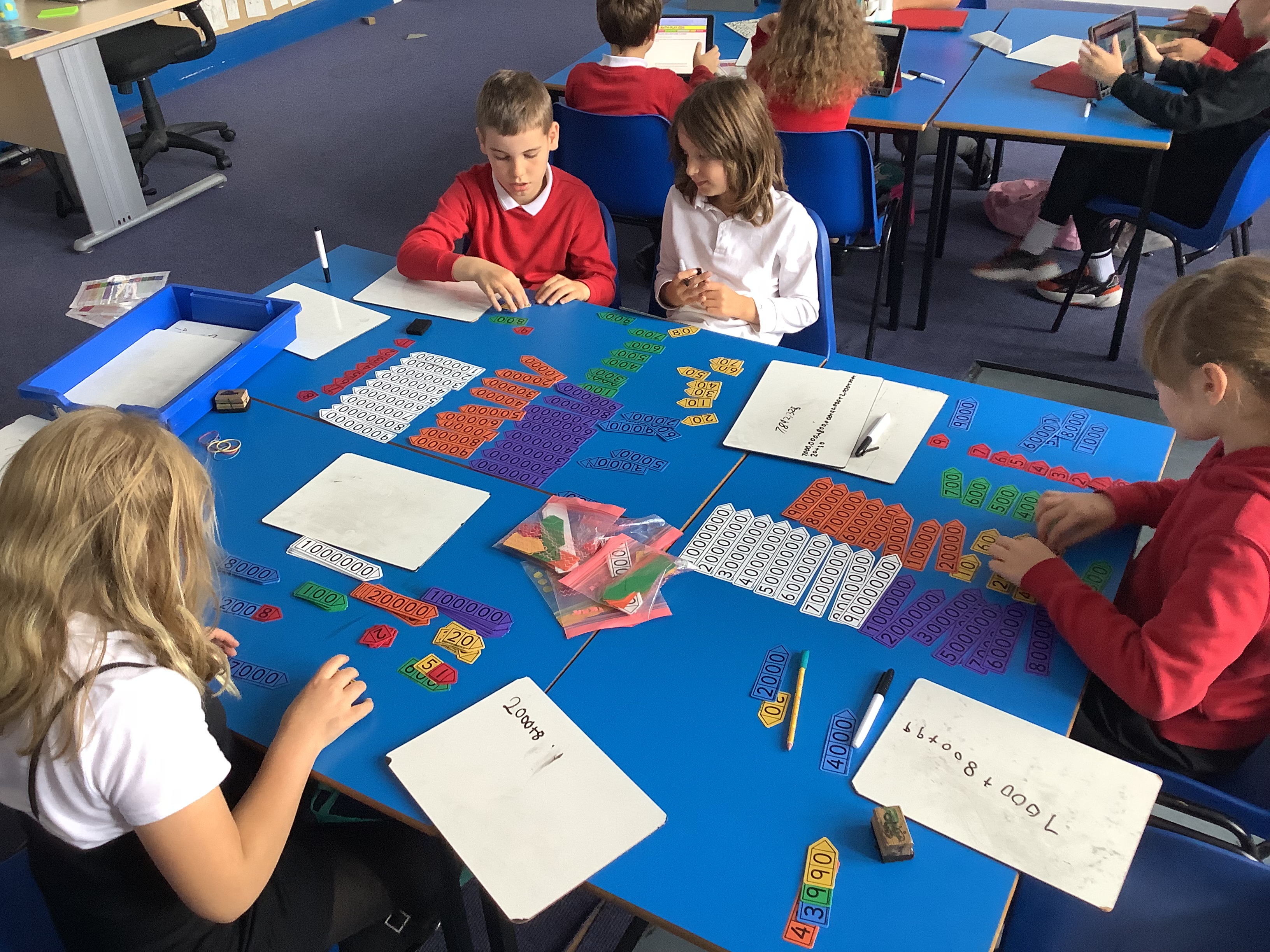
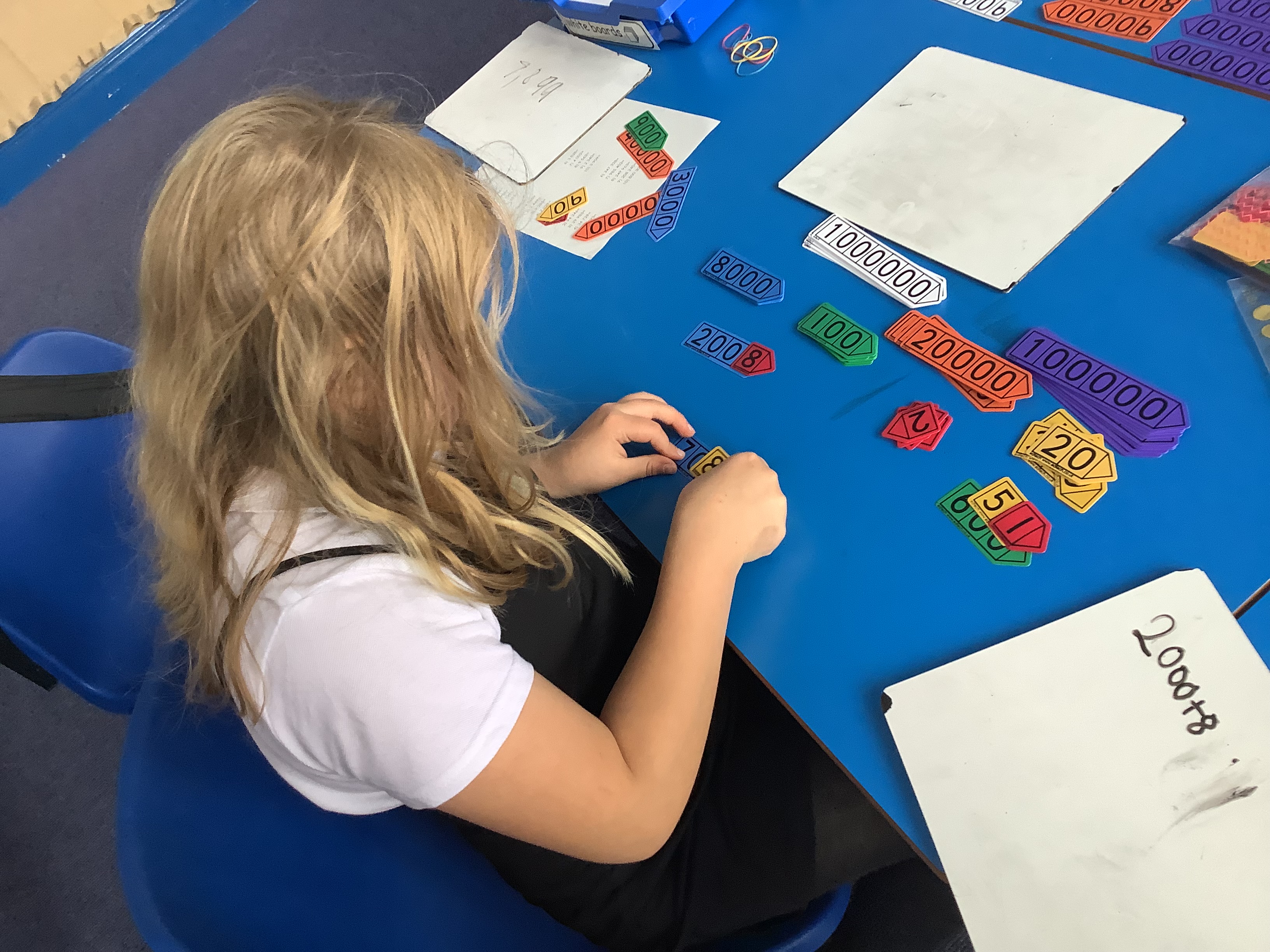
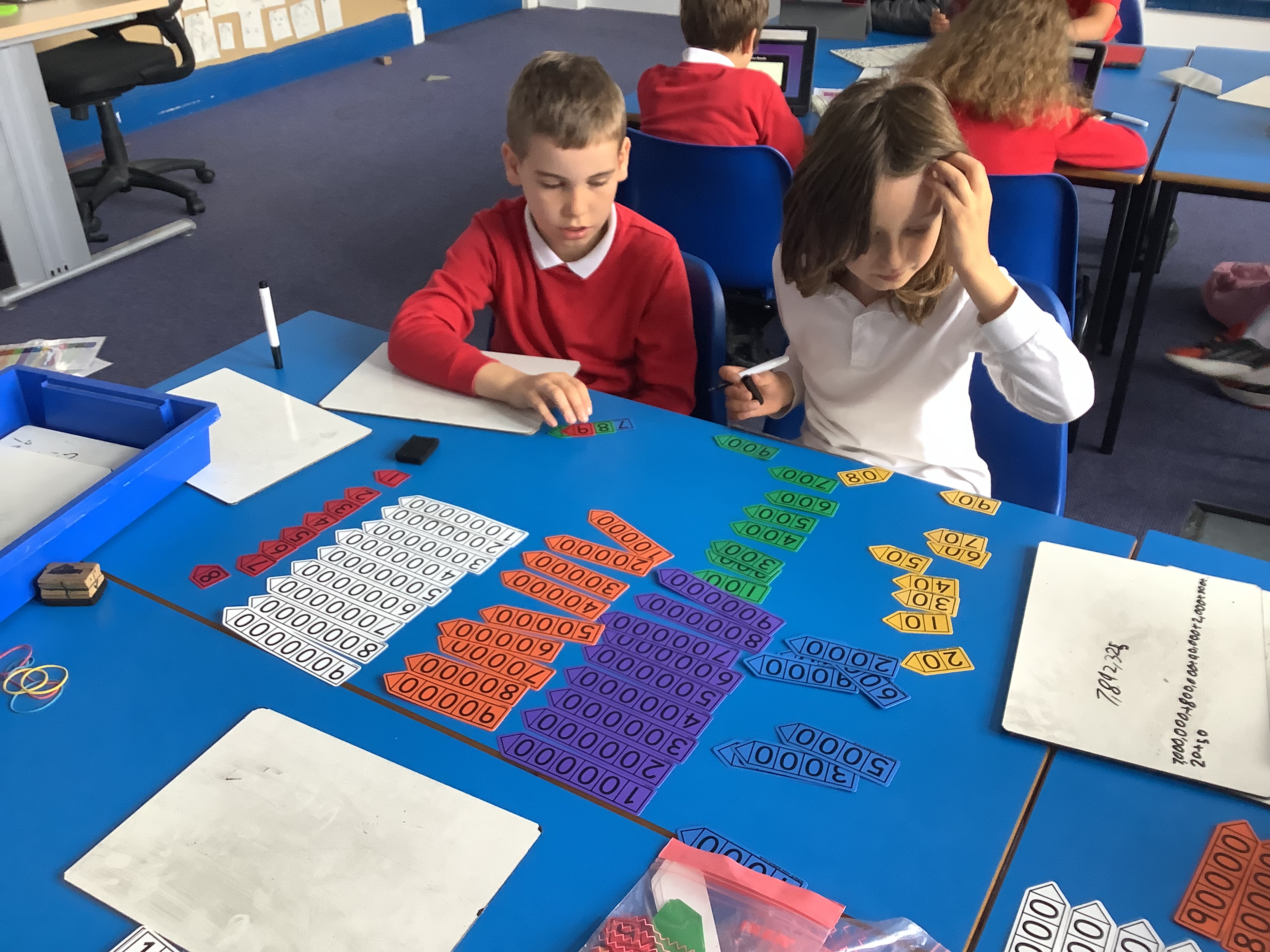
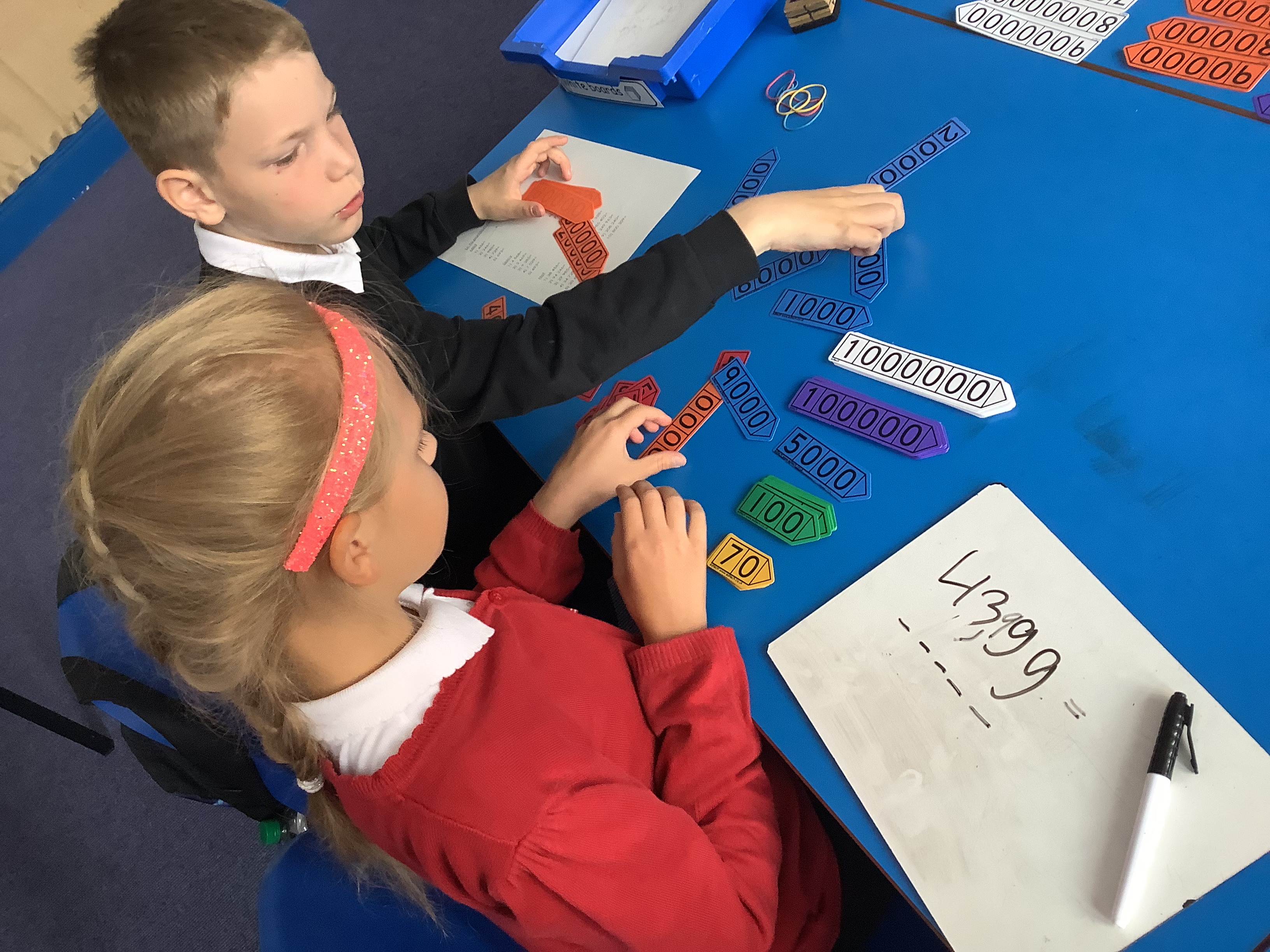
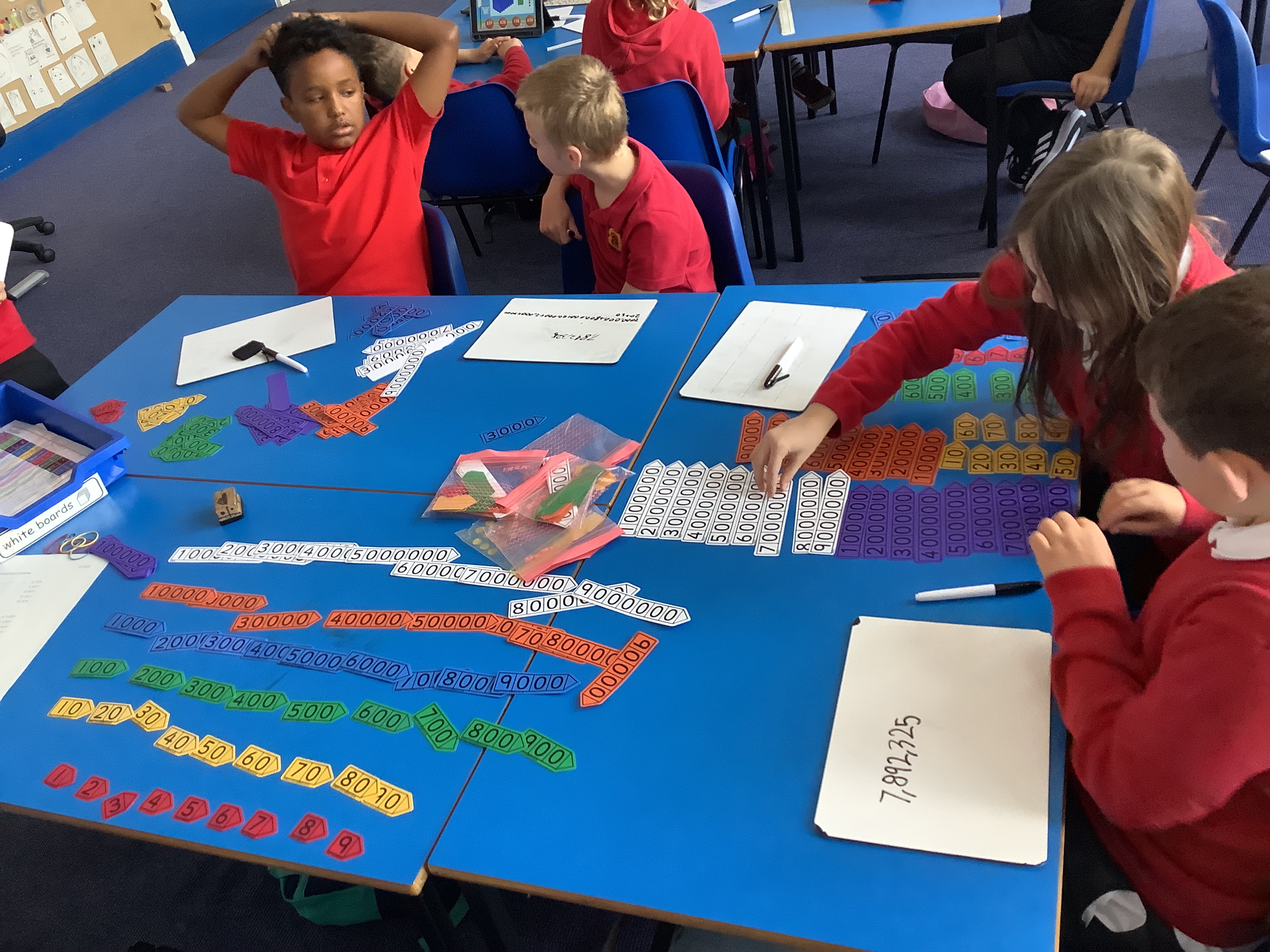
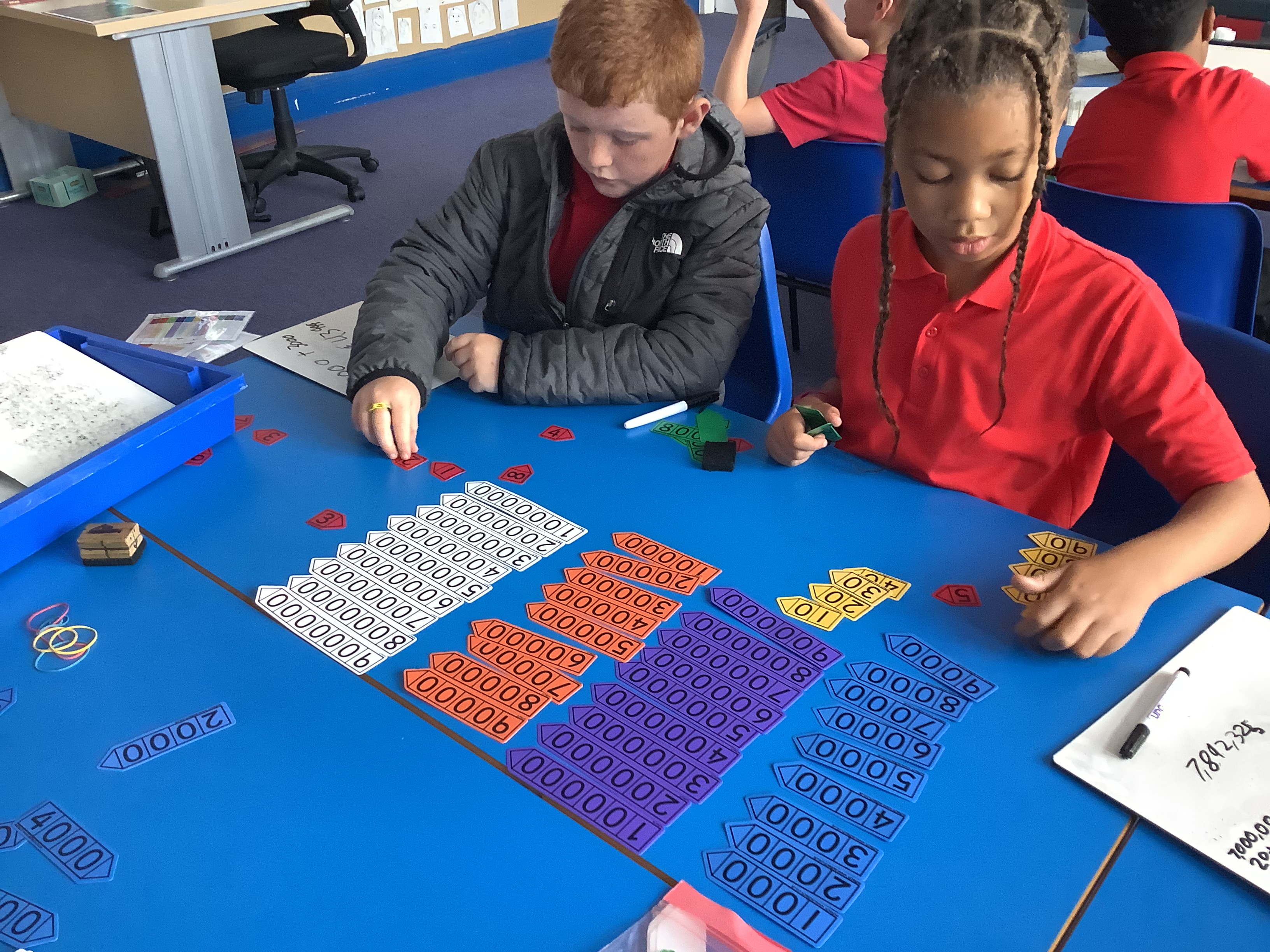
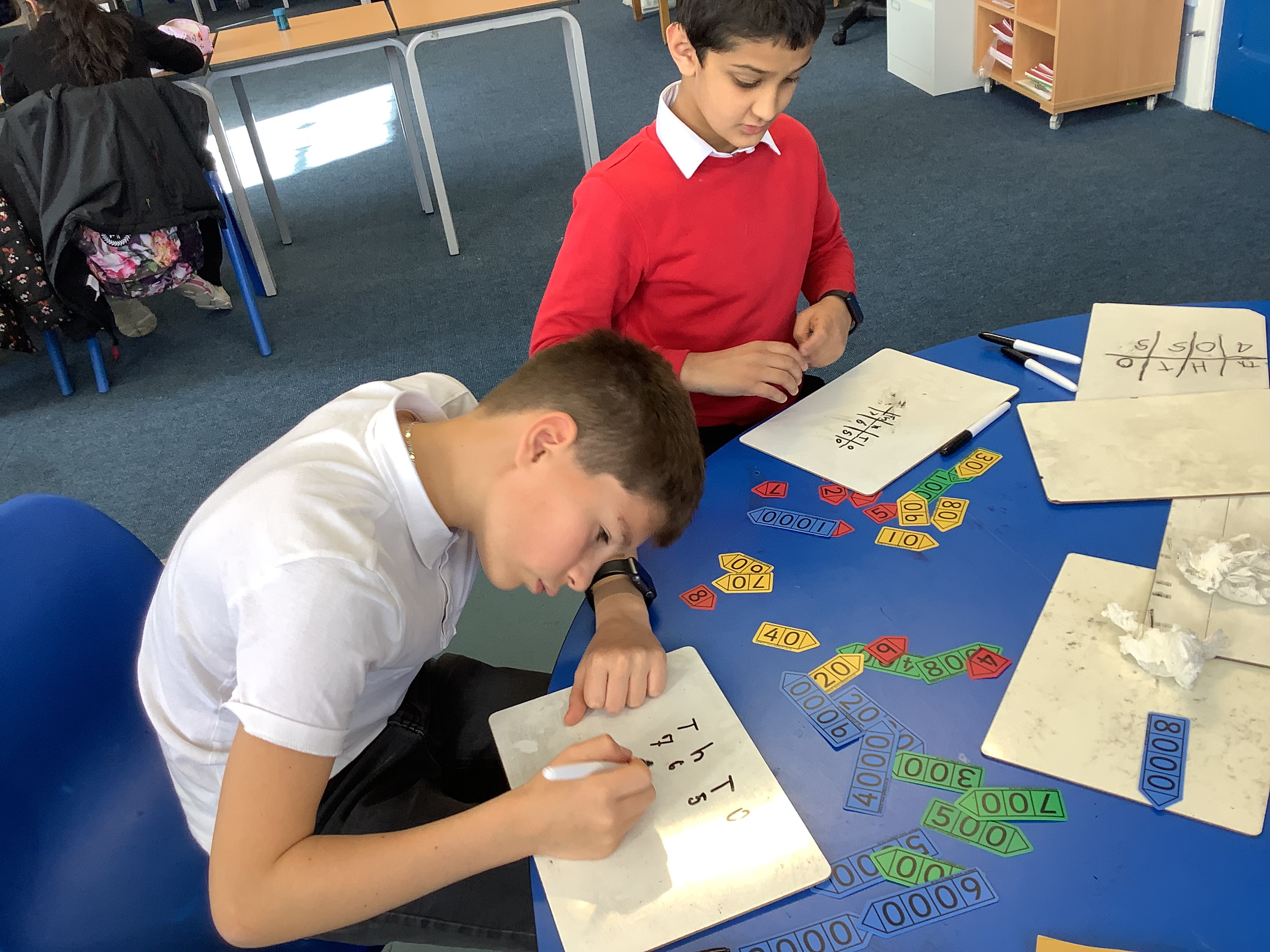
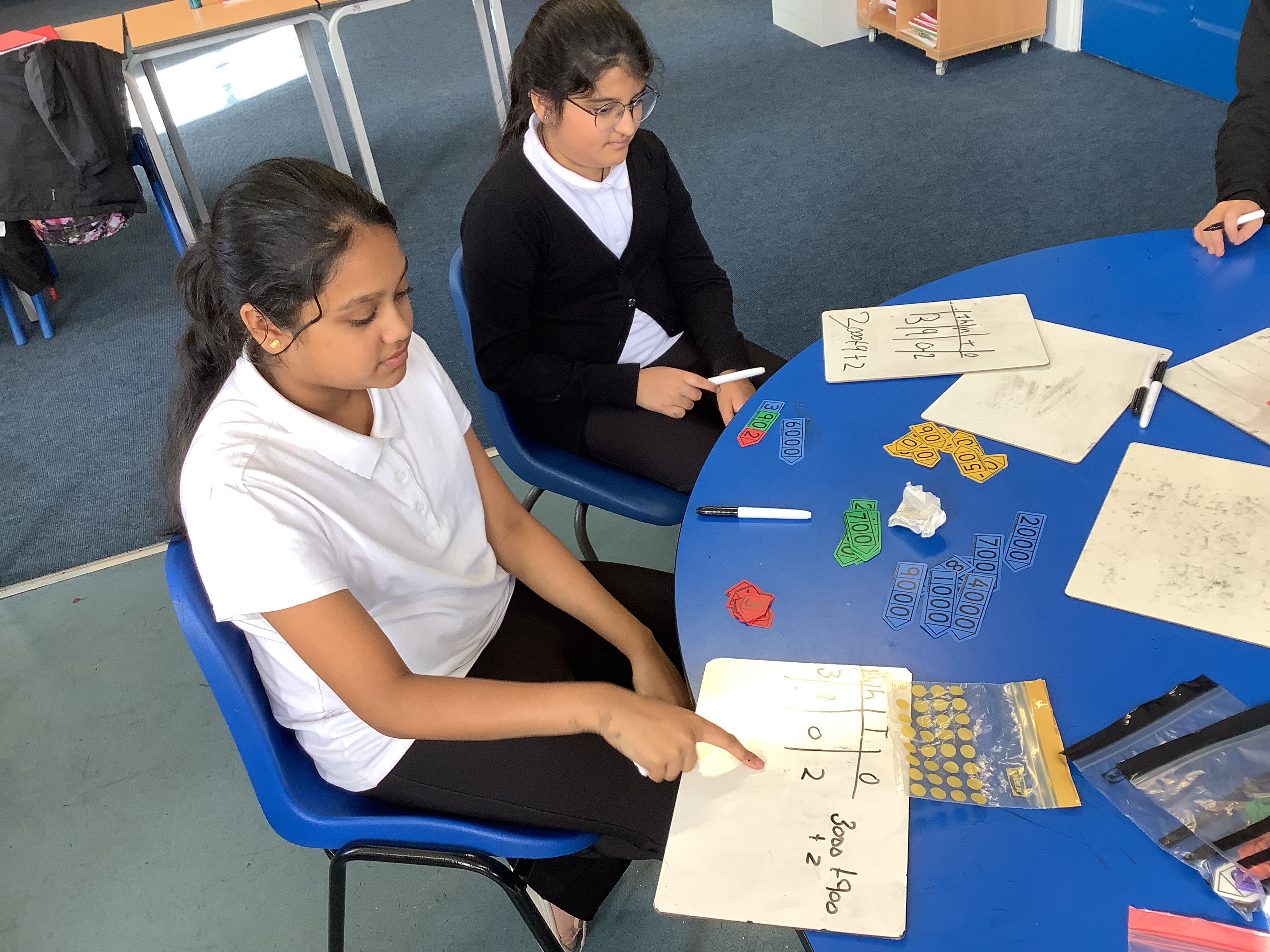
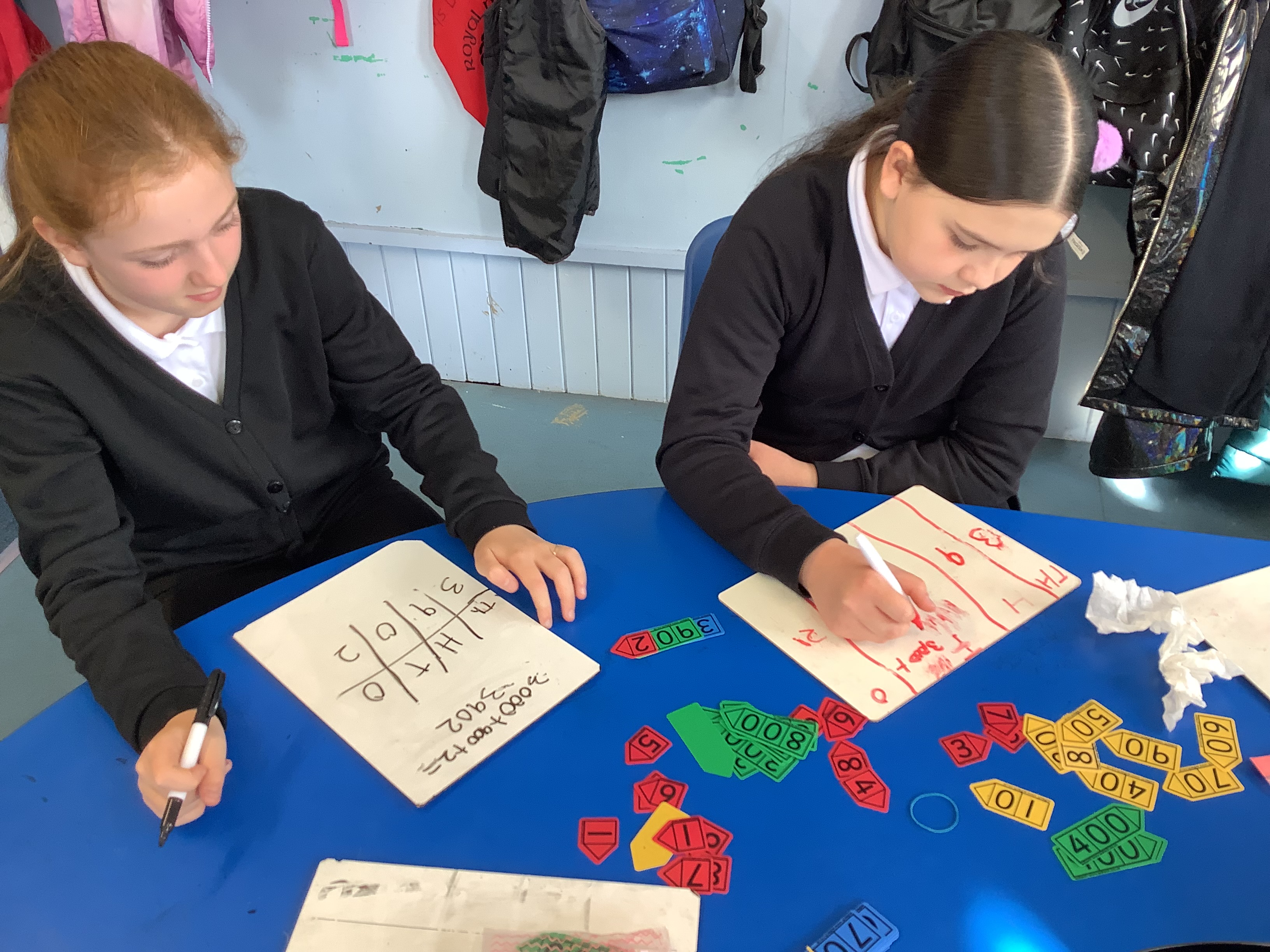
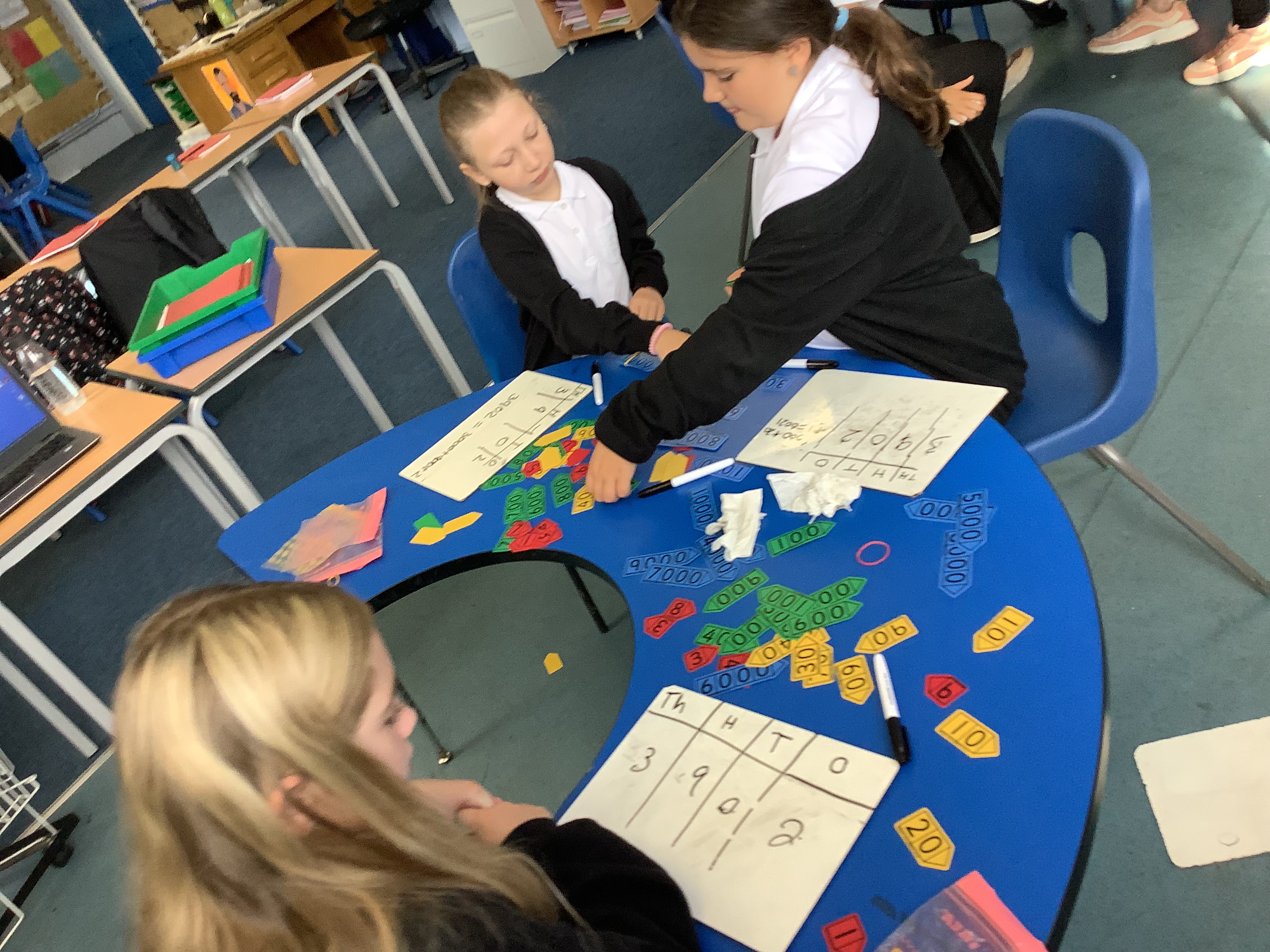
experimenting with Place Value arrow cards and partitioning numbers into
100s, 10s and 1s
Place Value arrow cards represent numbers in expanded notation. The cards overlap to form multi-digit numbers.
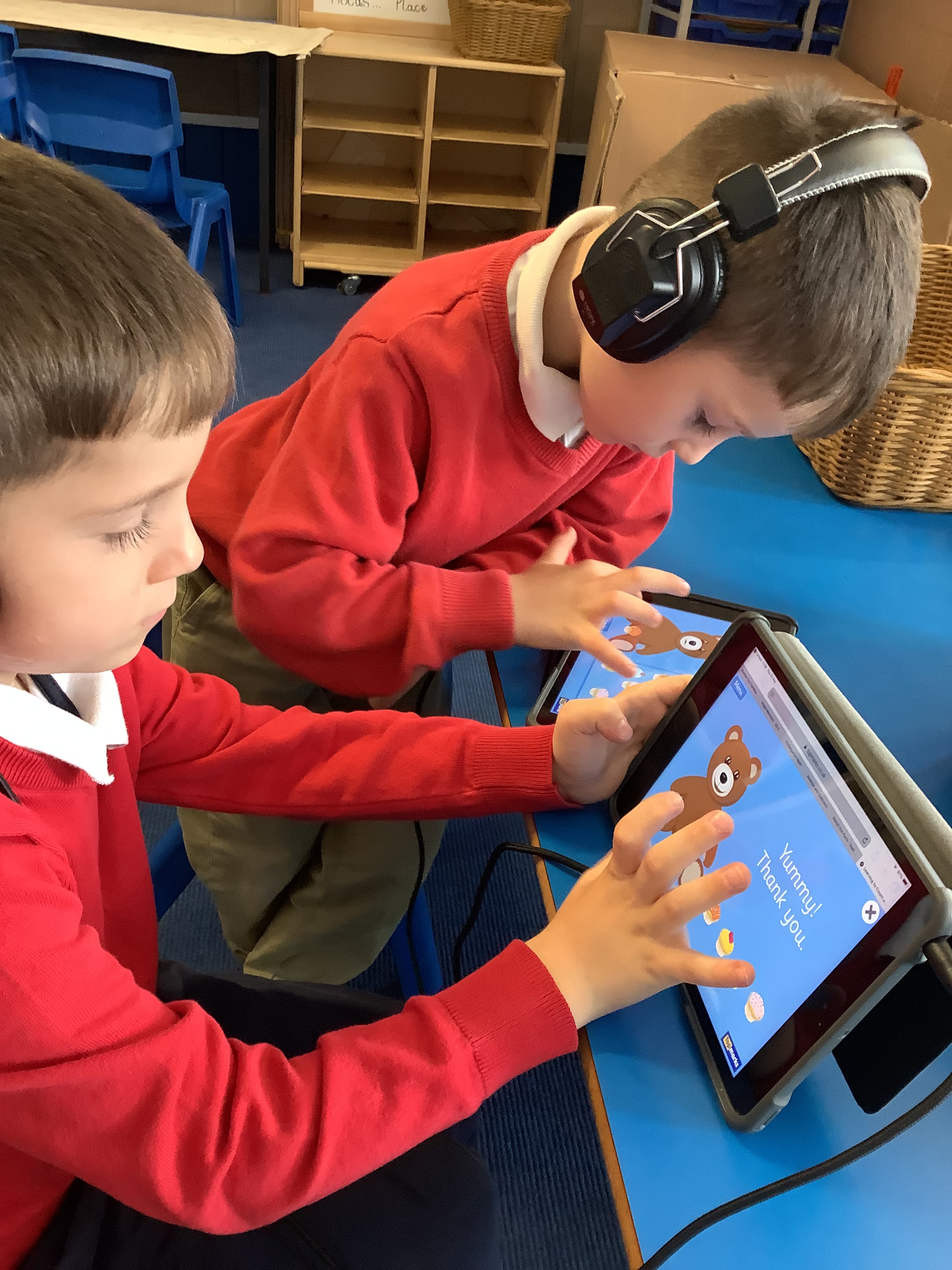
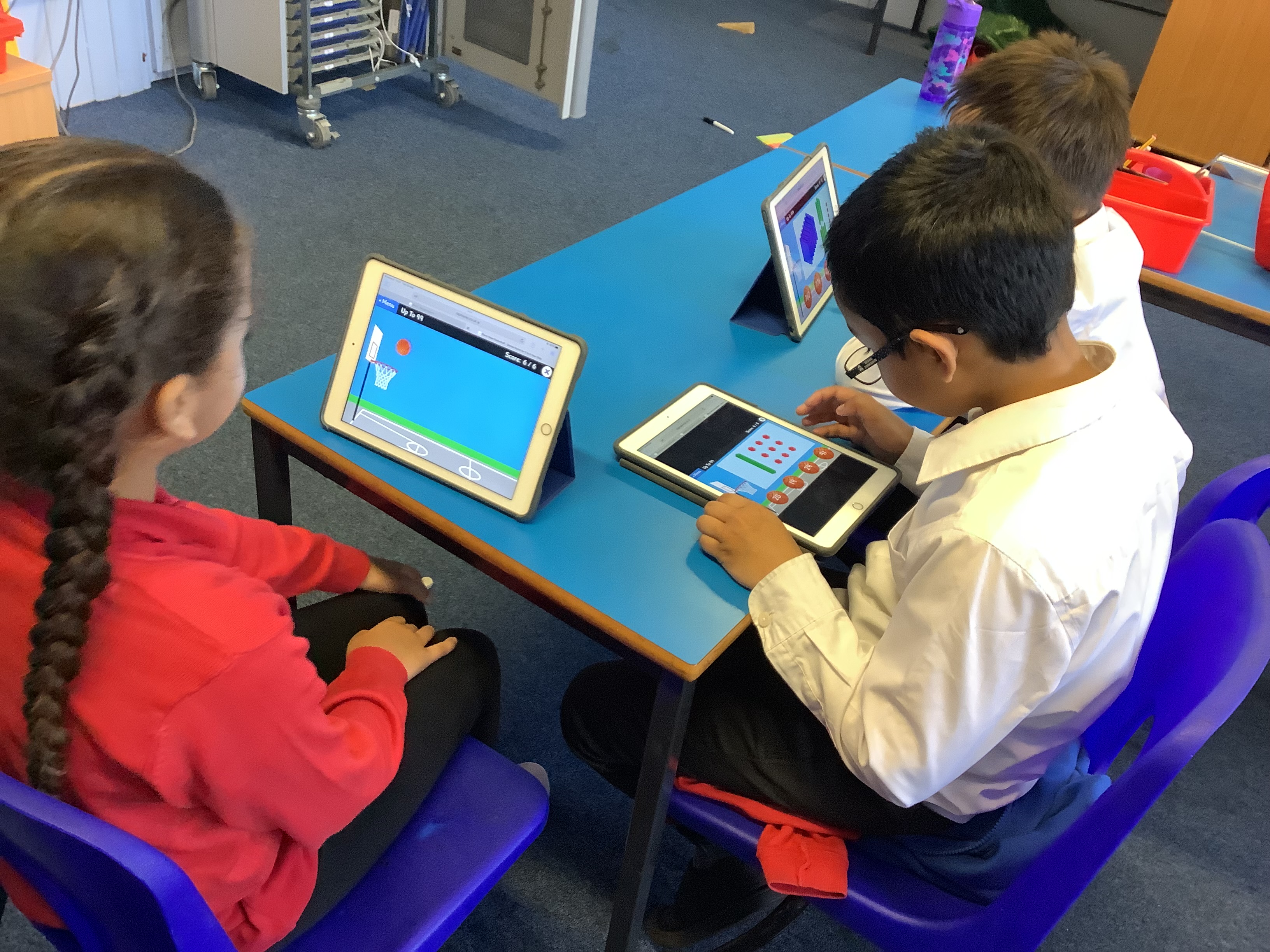
and consolidation with online games.
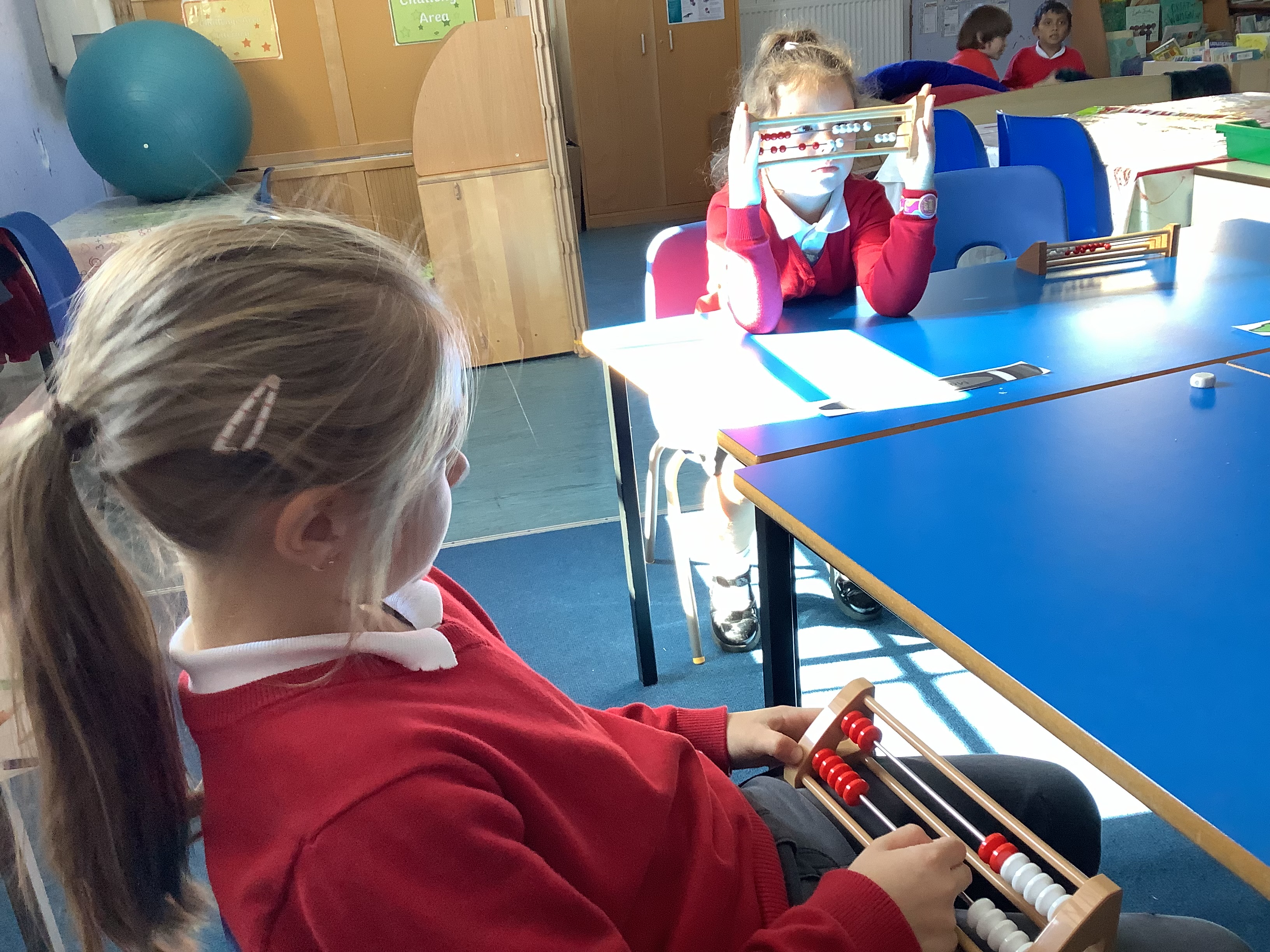
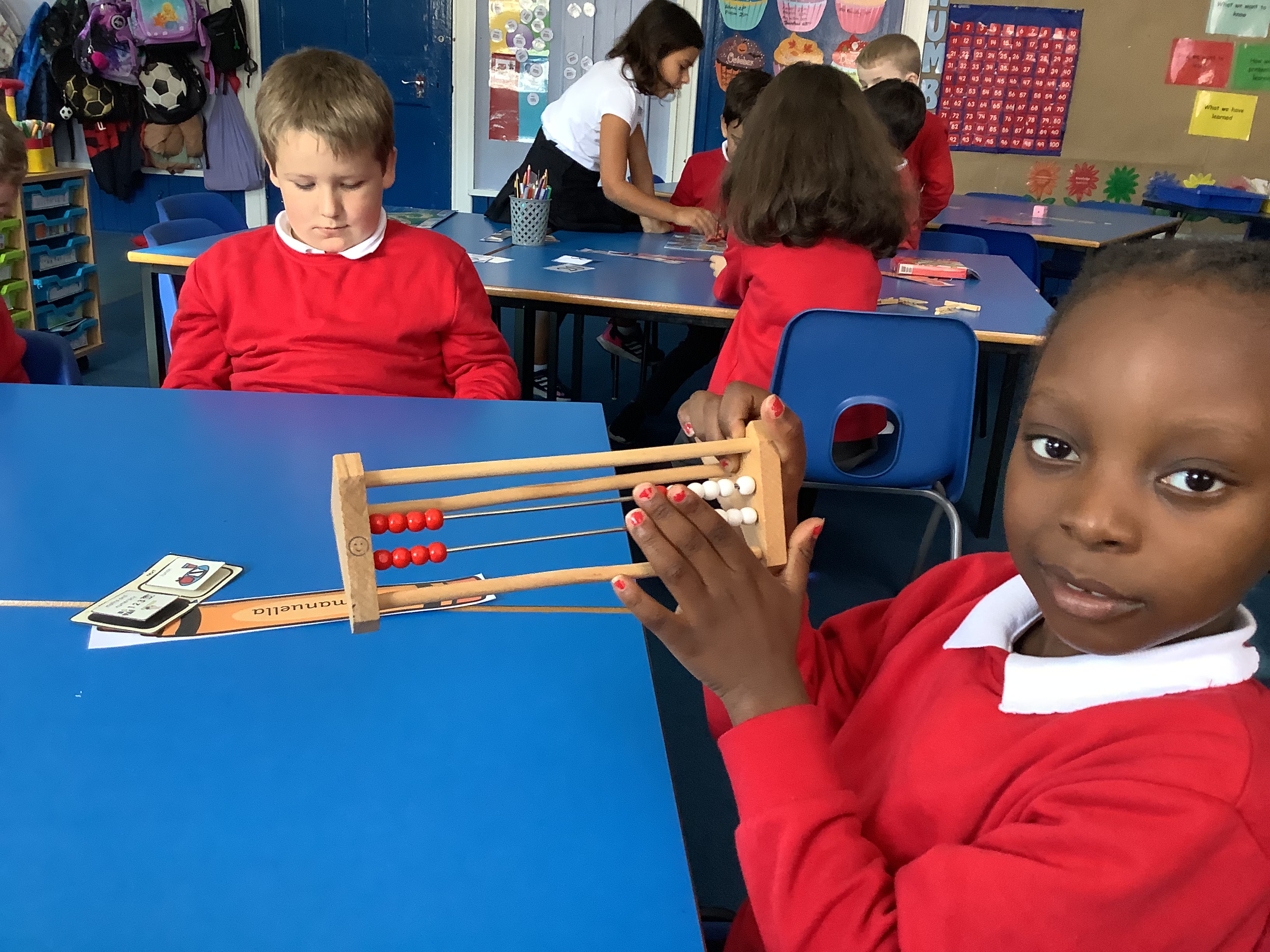
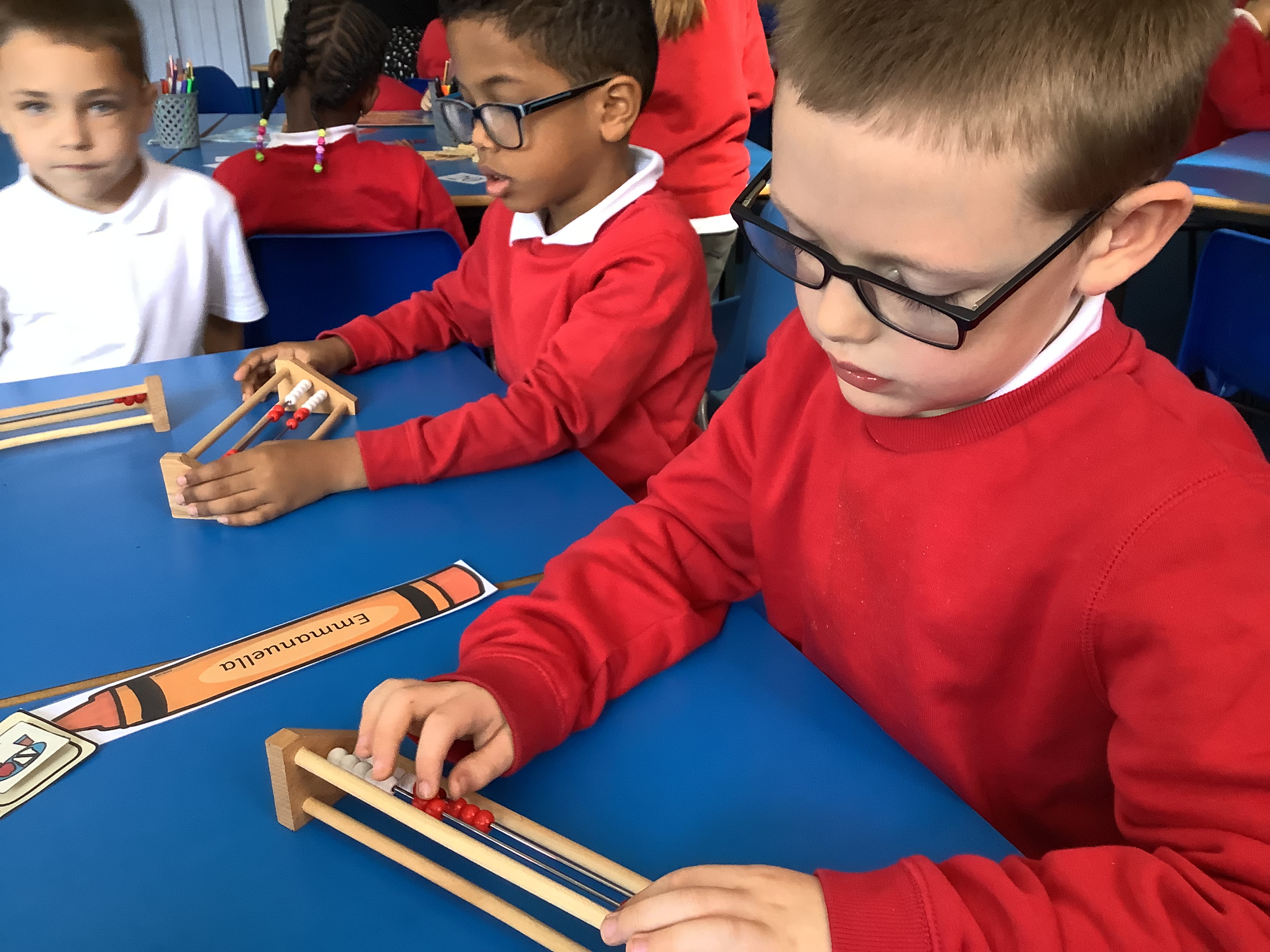
lots of practice with visualising and learning important principles of seeing patterns, anchoring numbers and enforce number bonds with the hands on teaching resource REKENREKS.
and Ten frames – to help develop a strong number sense! Ten frames are very useful in helping learners visualise numbers and build a good understanding of the relationships between numbers.
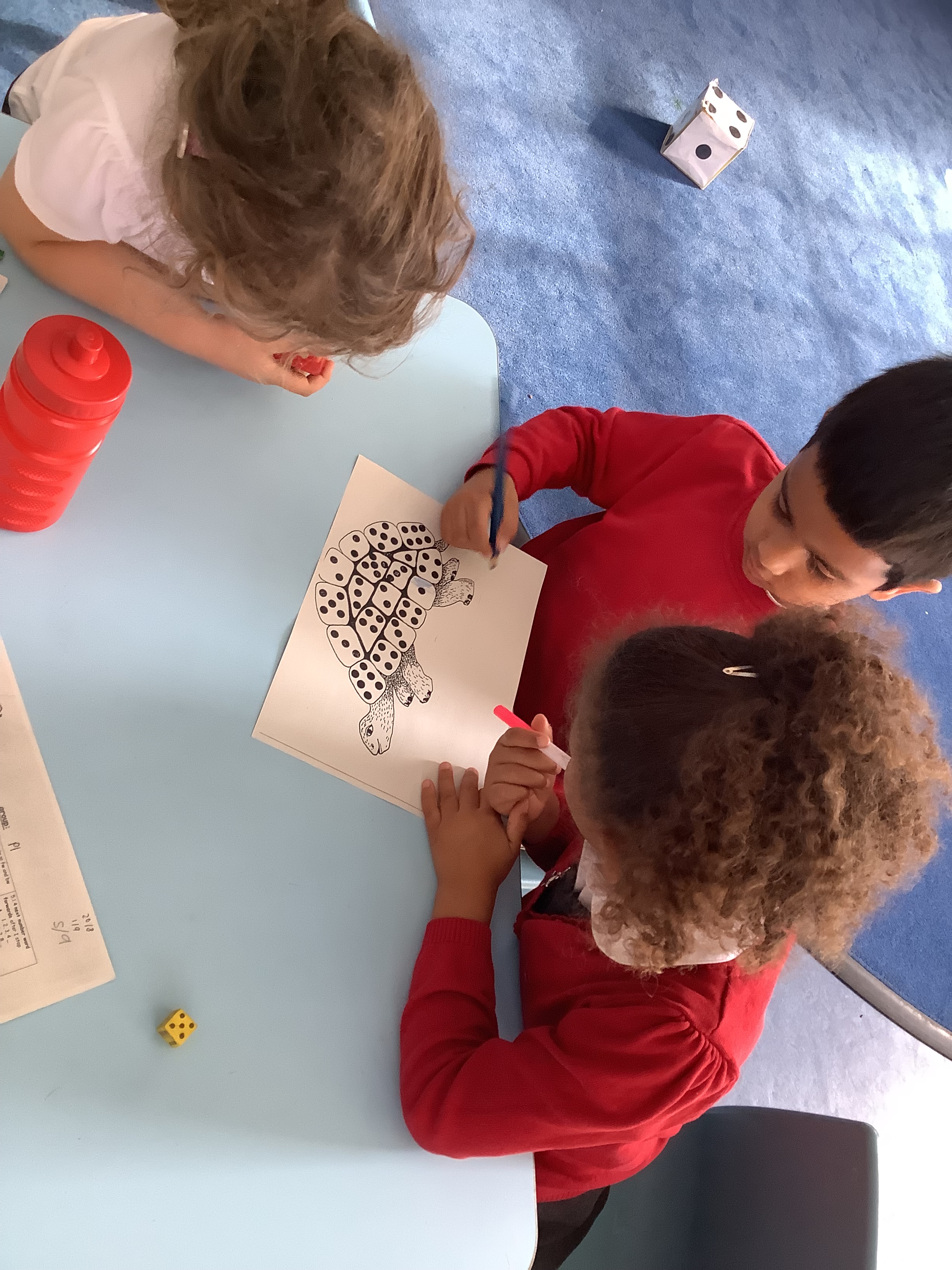
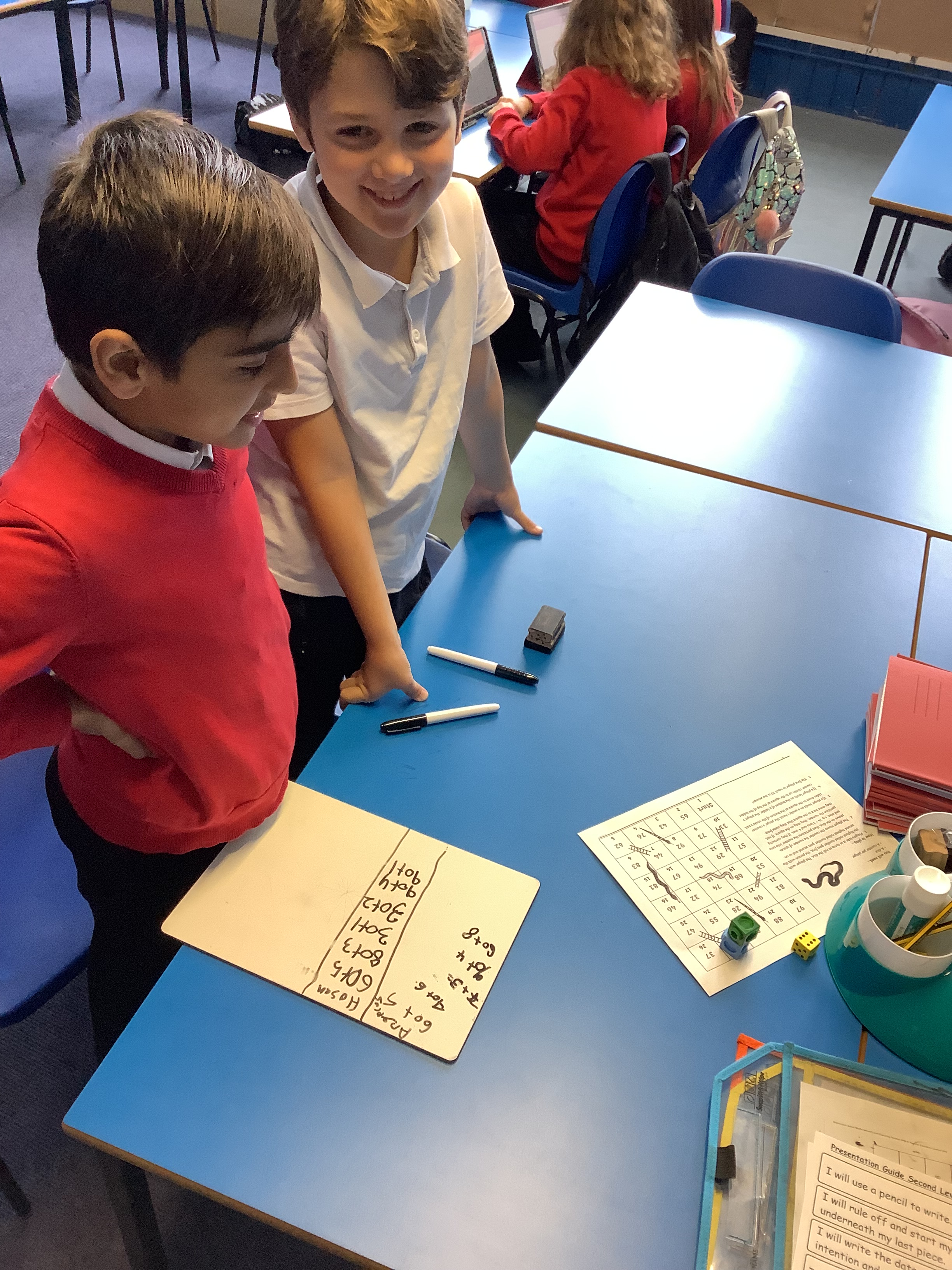
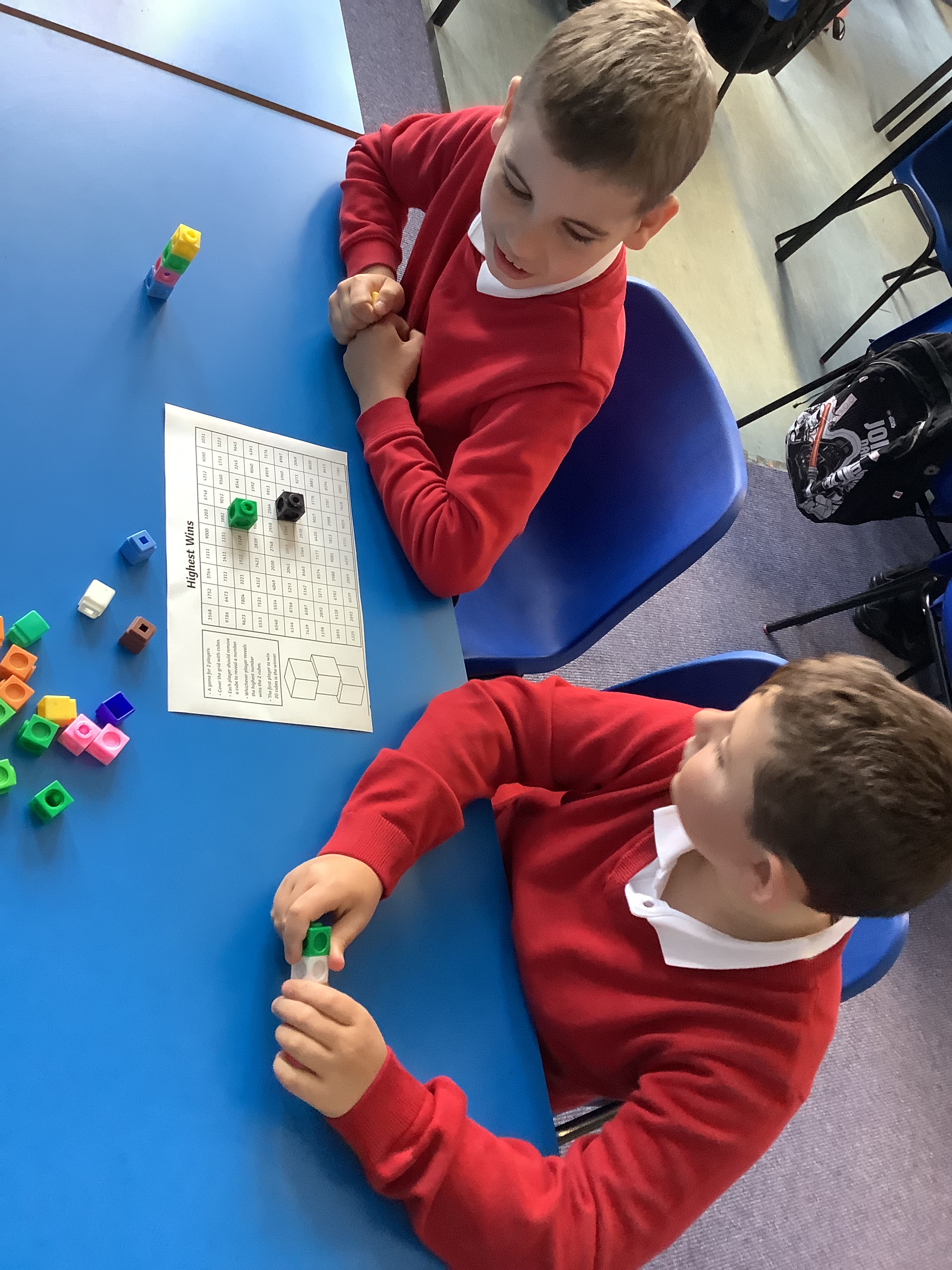
fun with board games and
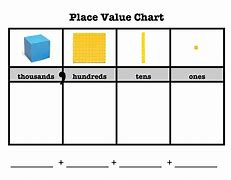
using DIENES resources to represent 1,10,100 and 1000
allowing the learners to understand the relationship between the different columns on a place value grid:
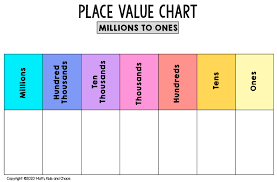
using a variety of resources to identify, write and partition numbers up to 1 000 000 including Place value charts to help find the place value of each digit based on its position in a number.
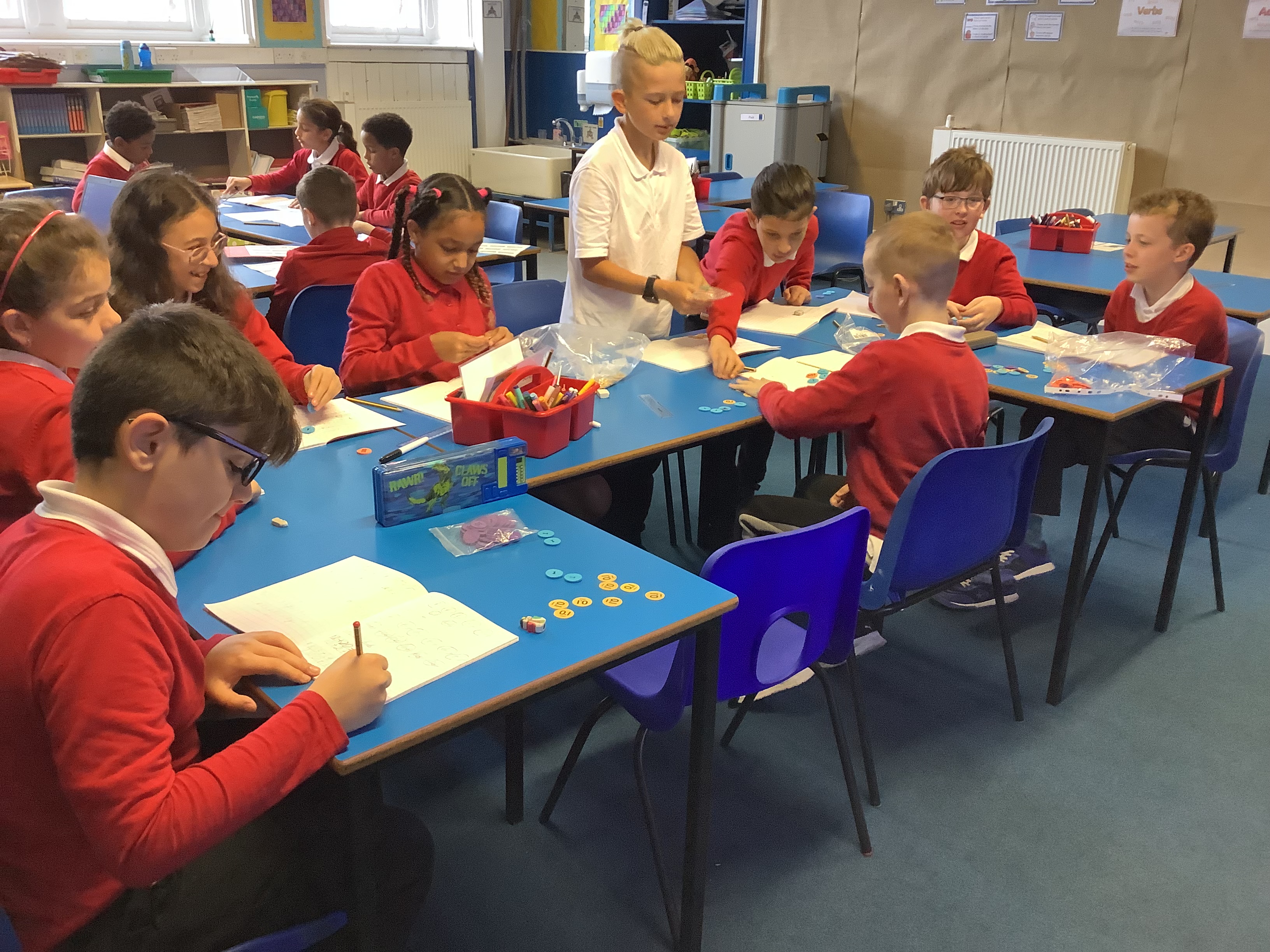
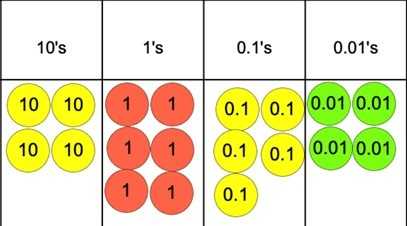
using Place value discs including decimal numbers to tenths.
Place value disks help learners compare the value of each place, like that the tens place is ten times the ones place.
focusing on rounding to 2 decimal places.
We are excited to get started with Addition and subtraction next. See you soon! 🙂
Here is our first termly overview of the year, it will give a snapshot of what we are planning for learners in Primary 1 between now and the winter holiday.
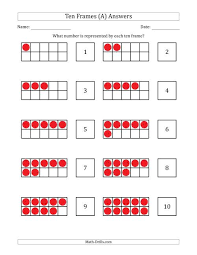
Ten-Frames are two-by-five rectangular frames into which counters are placed to illustrate numbers less than or equal to ten. Below are two ways to use them; five-wise patterns, where you fill the top row before adding to the bottom; and pair-wise patterns, where you build up in groups of two.
Pupils will develop the ability to look at a ten frame instantly recognise how many counters there are without needing to count. This is called subitising.
Pupils will also be able to explain their answer.
“There are five because the top row is filled.” “There are ten because both rows are filled.” “There are nine because there is one gap. Ten minus one is nine.” “There are four because two and two makes four.”
It is very important for pupils to be able to visually recognise numbers to 10 in many ways.



























 Royal Mile Primary School