
Here we have primary 3’s plan for term 2 and the rest of the year. Everything in green is all we shall be covering between October and the winter holiday.
Category: Uncategorized
September in Primary 3.
Homework Grids
Hello all, children will be receiving their home learning wallets for the October break. You can choose from a variety of tasks such as a weekly reading book, spelling and tasks that will be inside the jotter grid. This is for you and your children to choose whenever you like. The home work grid coming out is to revise all our learning from term 1 going forward.
Going forward, wallets will be handed out on a Thursday and be expected to be returned with everything inside by the following Wednesday.
Primary 3 have had a fantastic start to the year and I know they shall continue to thrive after the break.
Miss Haddow 🙂
Red Word Spelling.
Below is a word list of our ‘red words’ or common words that can be used for spelling practice.
P6 updates
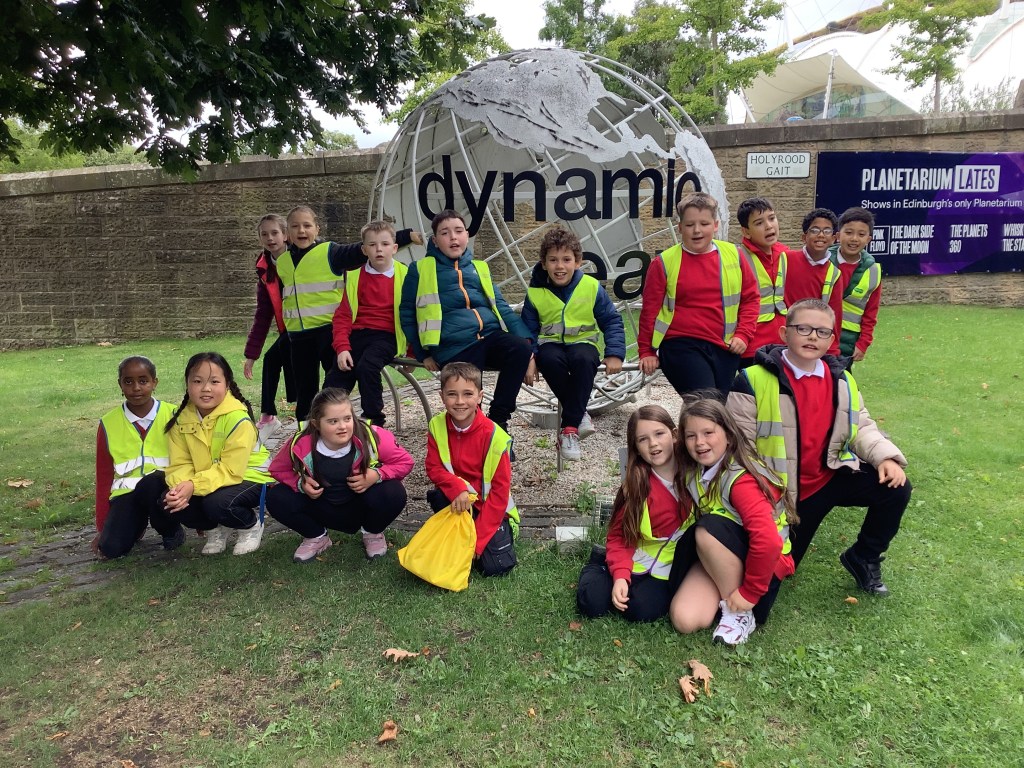
Look at all of these happy faces in Primary 6 class of 2026/27! 🙂
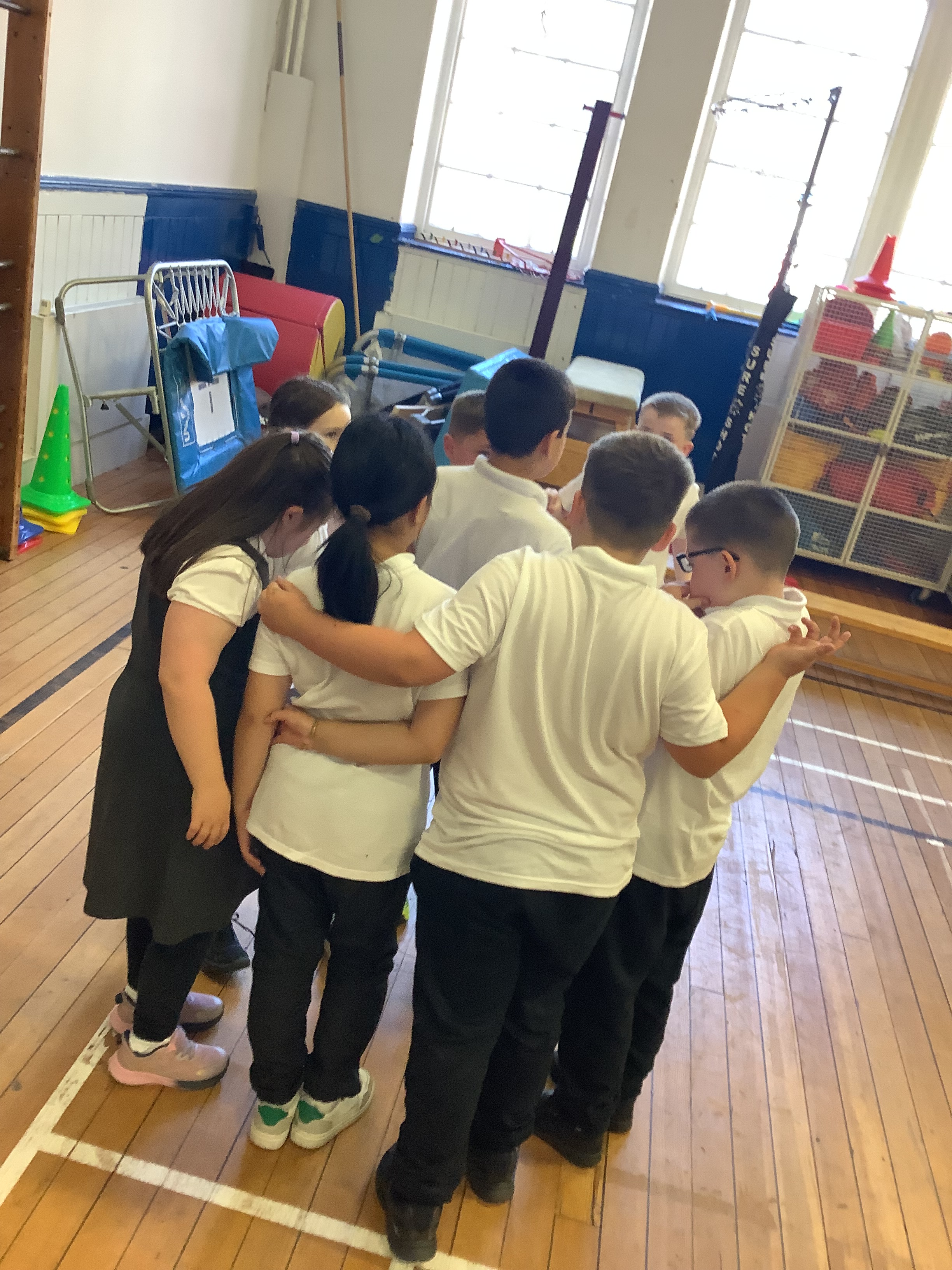
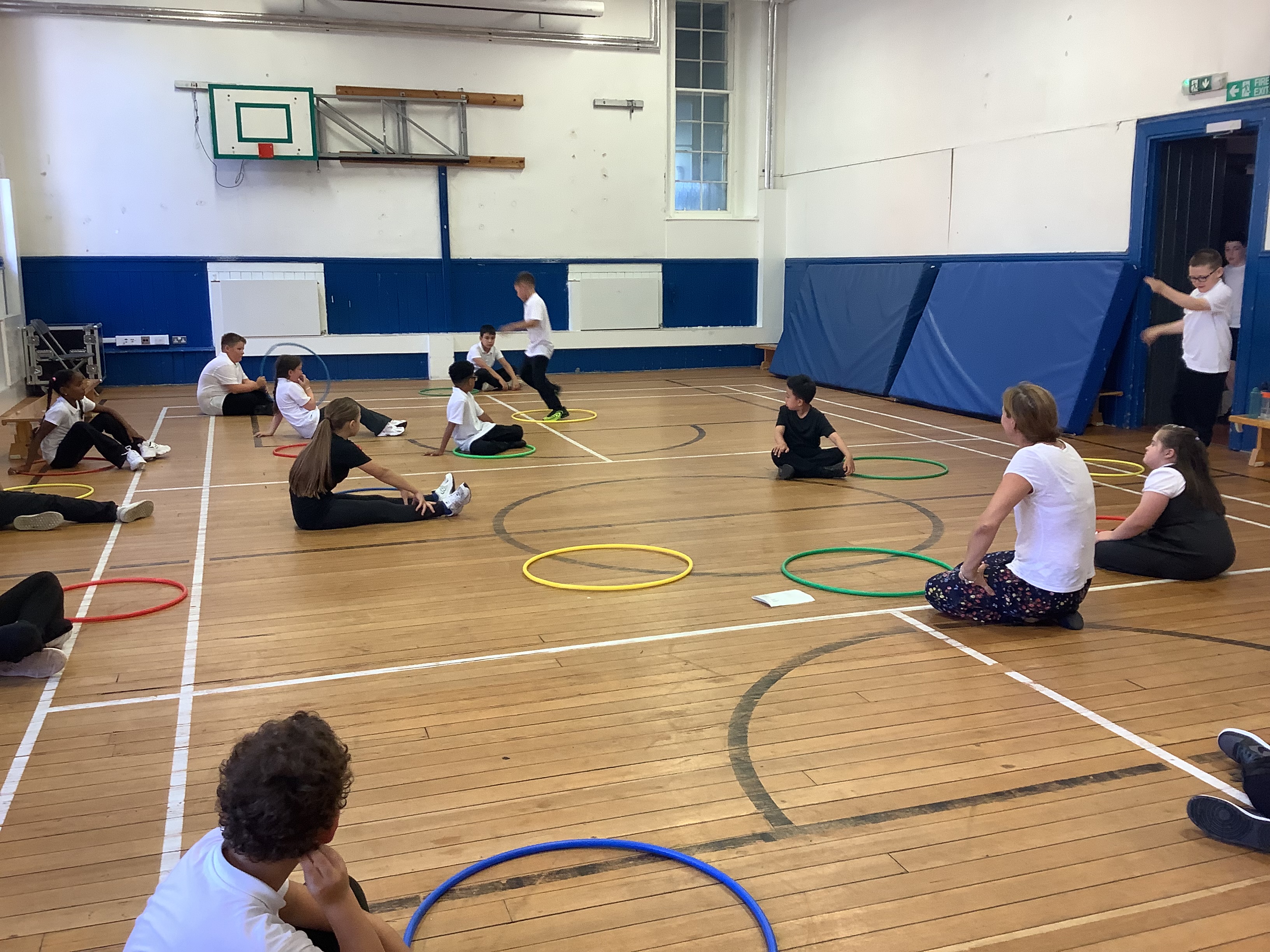
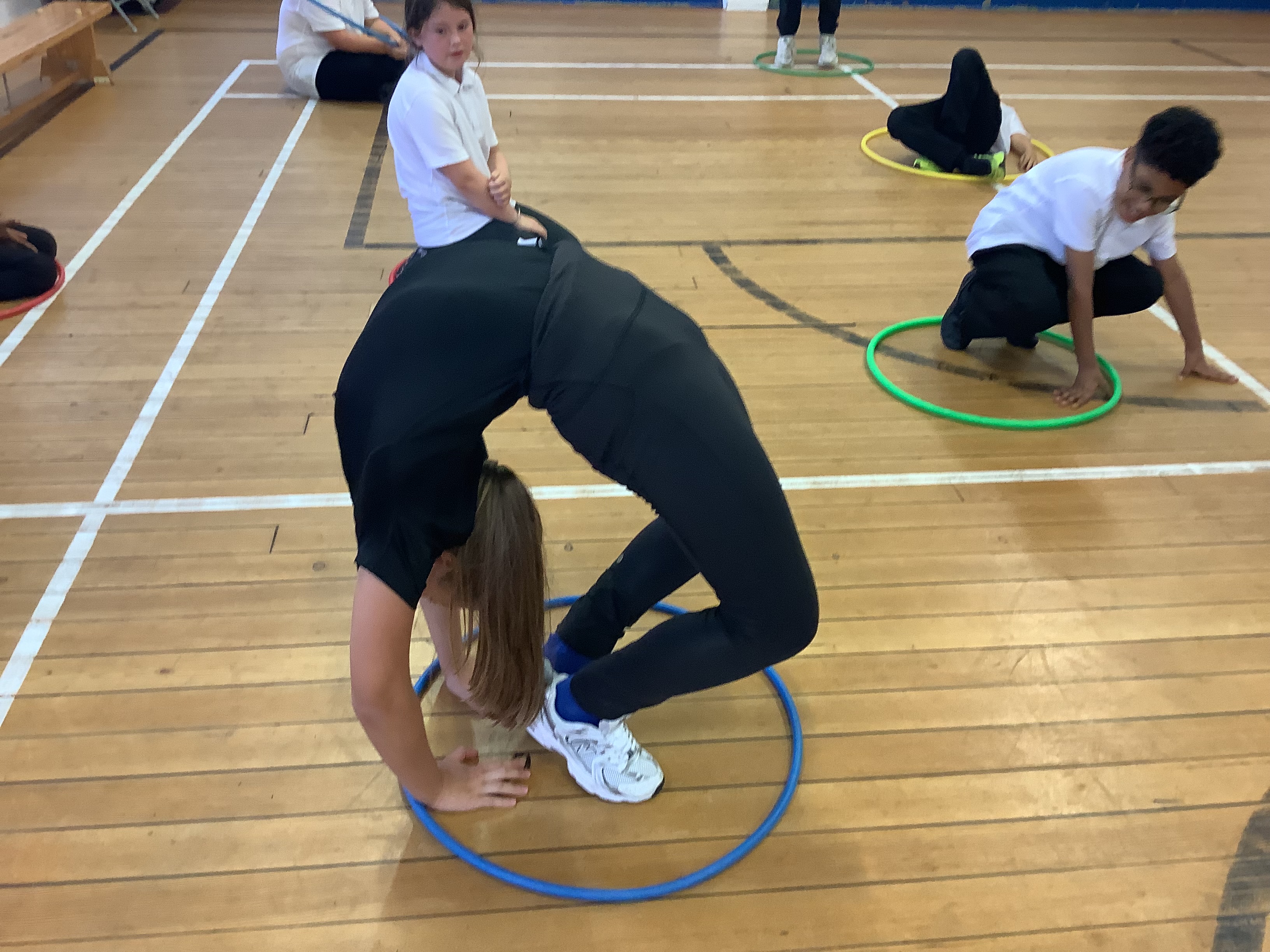
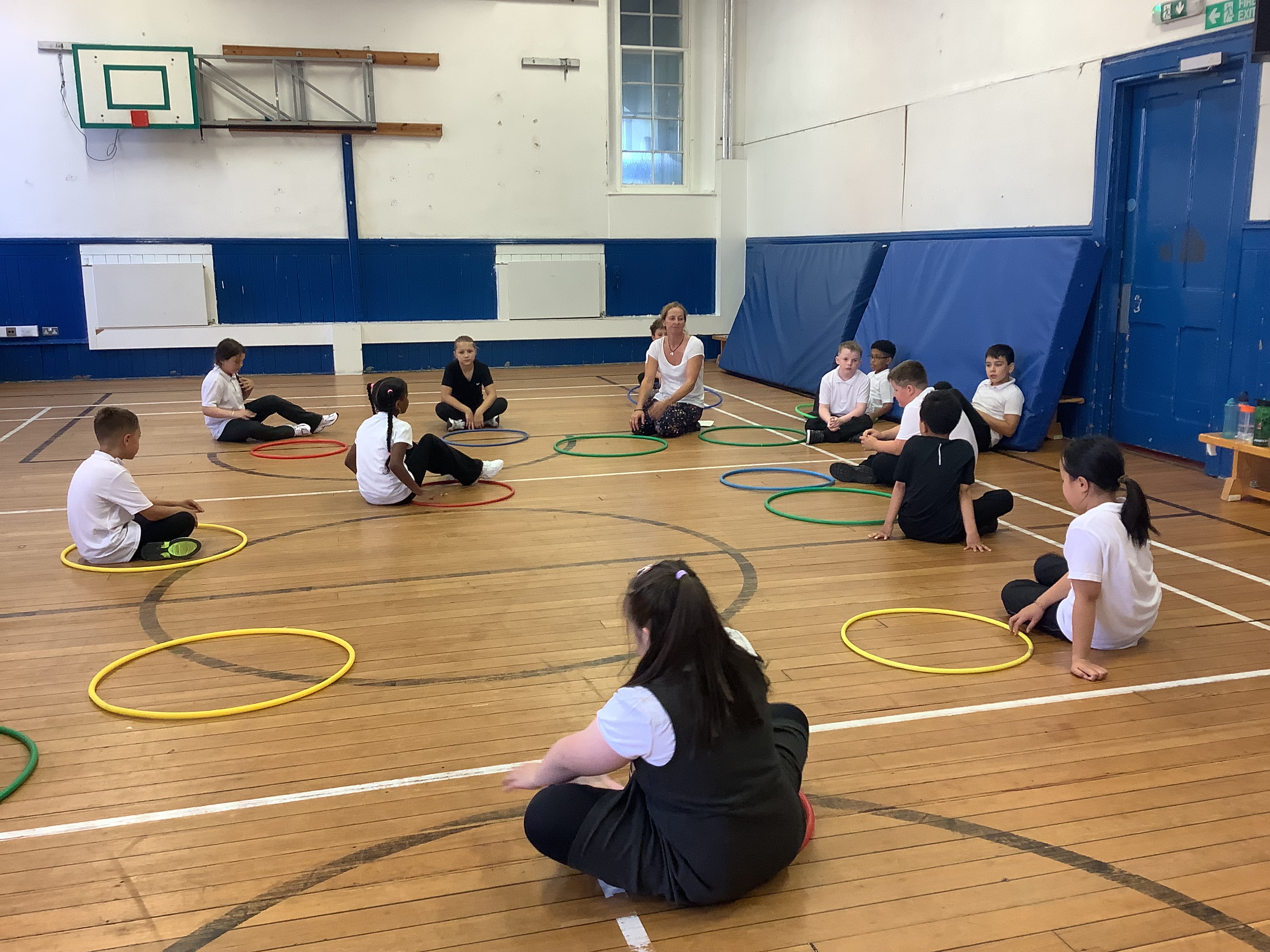
We are getting settled in nicely and already had some fun in PE with hoops, taking part in lots of energetic physical activities.


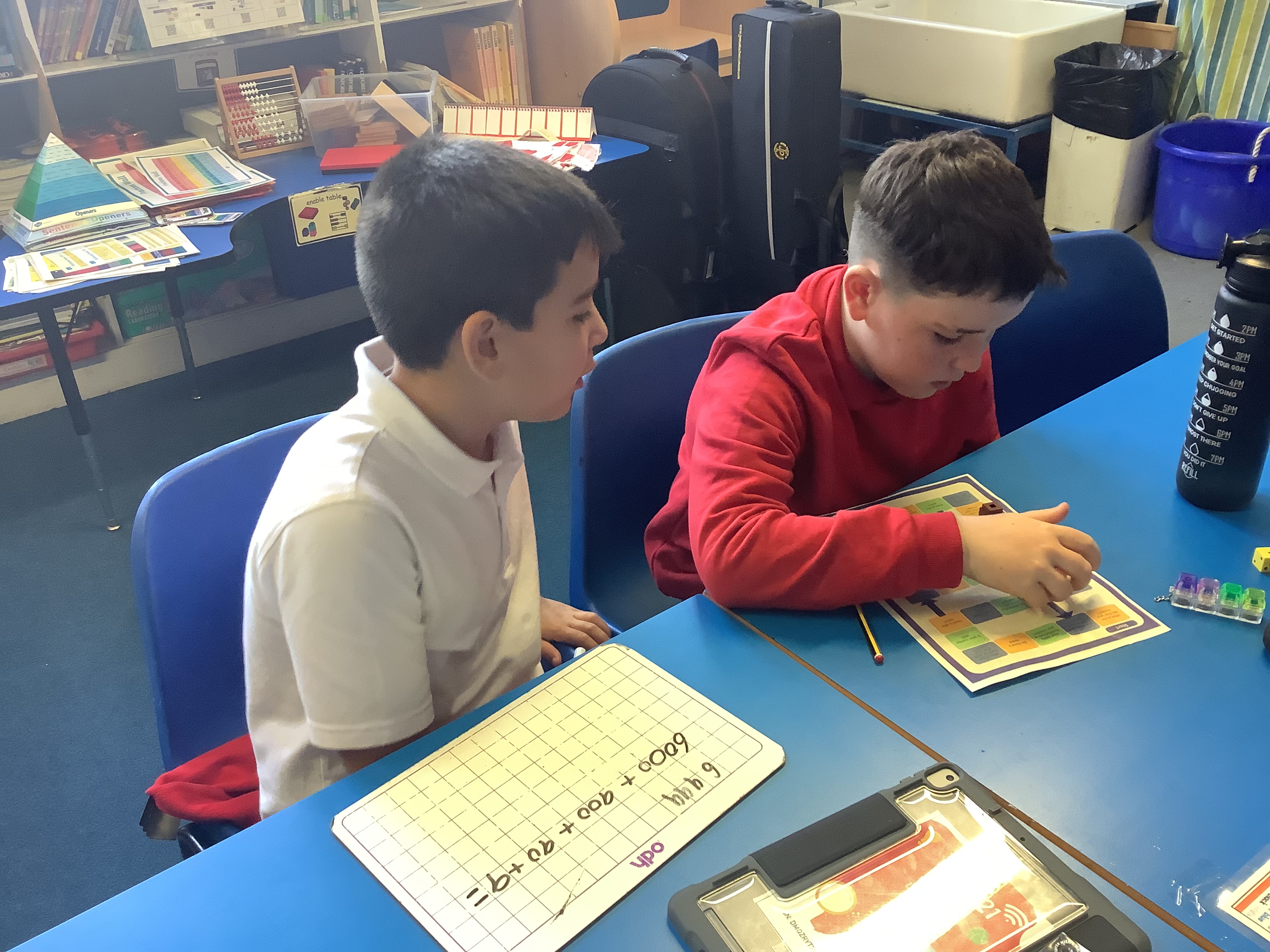
This term we are focusing on PLACE VALUE, explaining the link between a digit, its place and its value.
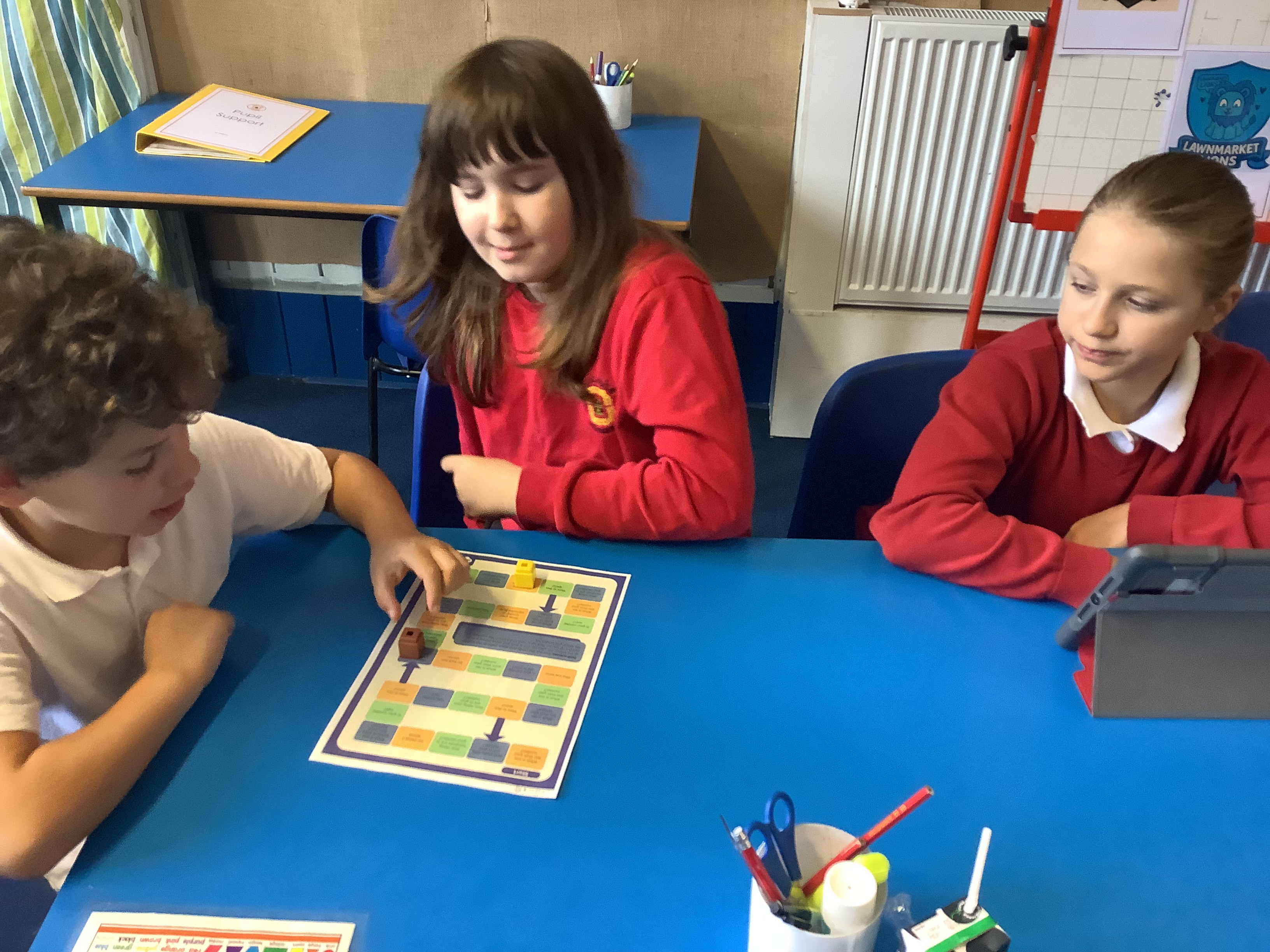
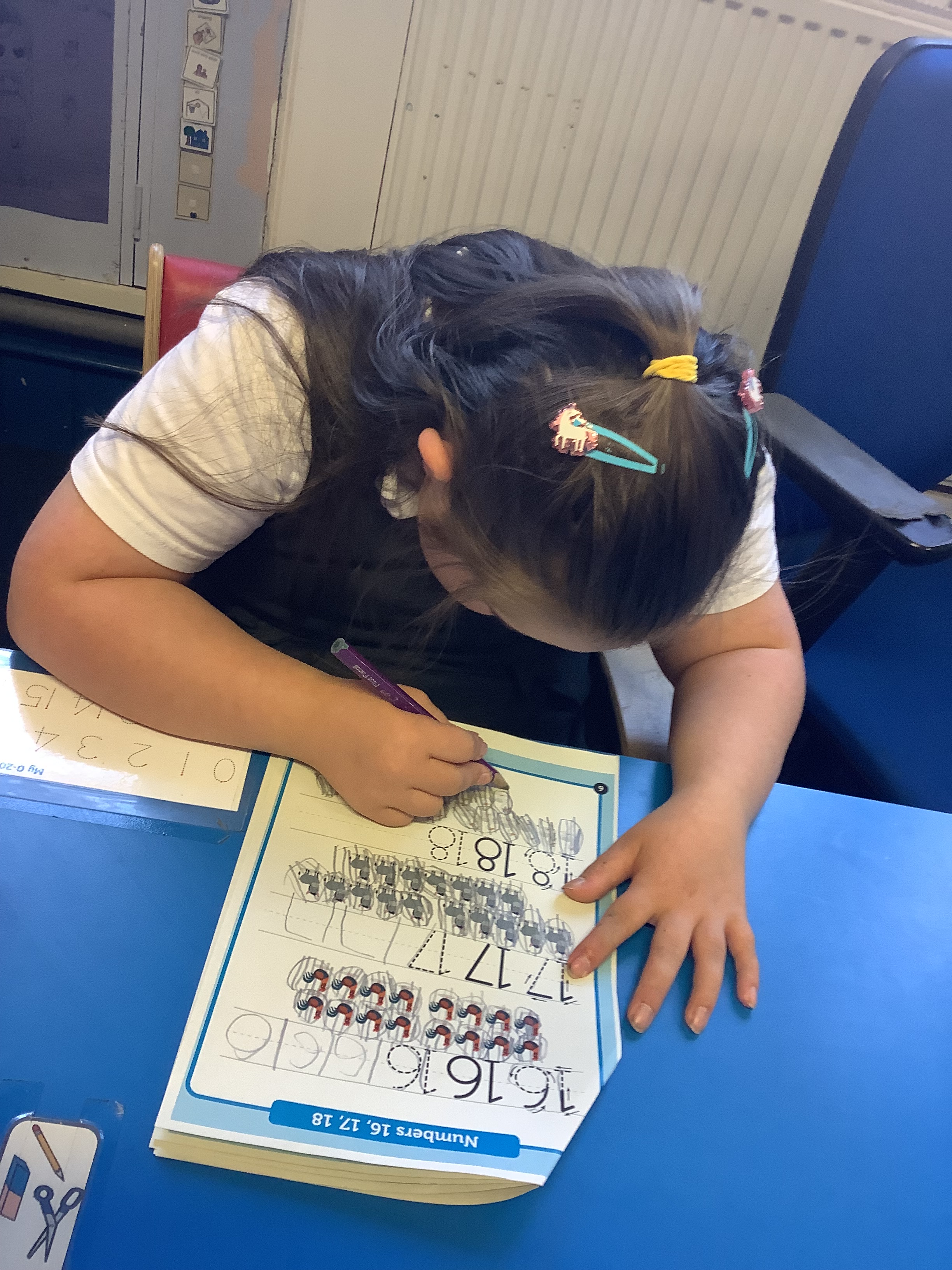

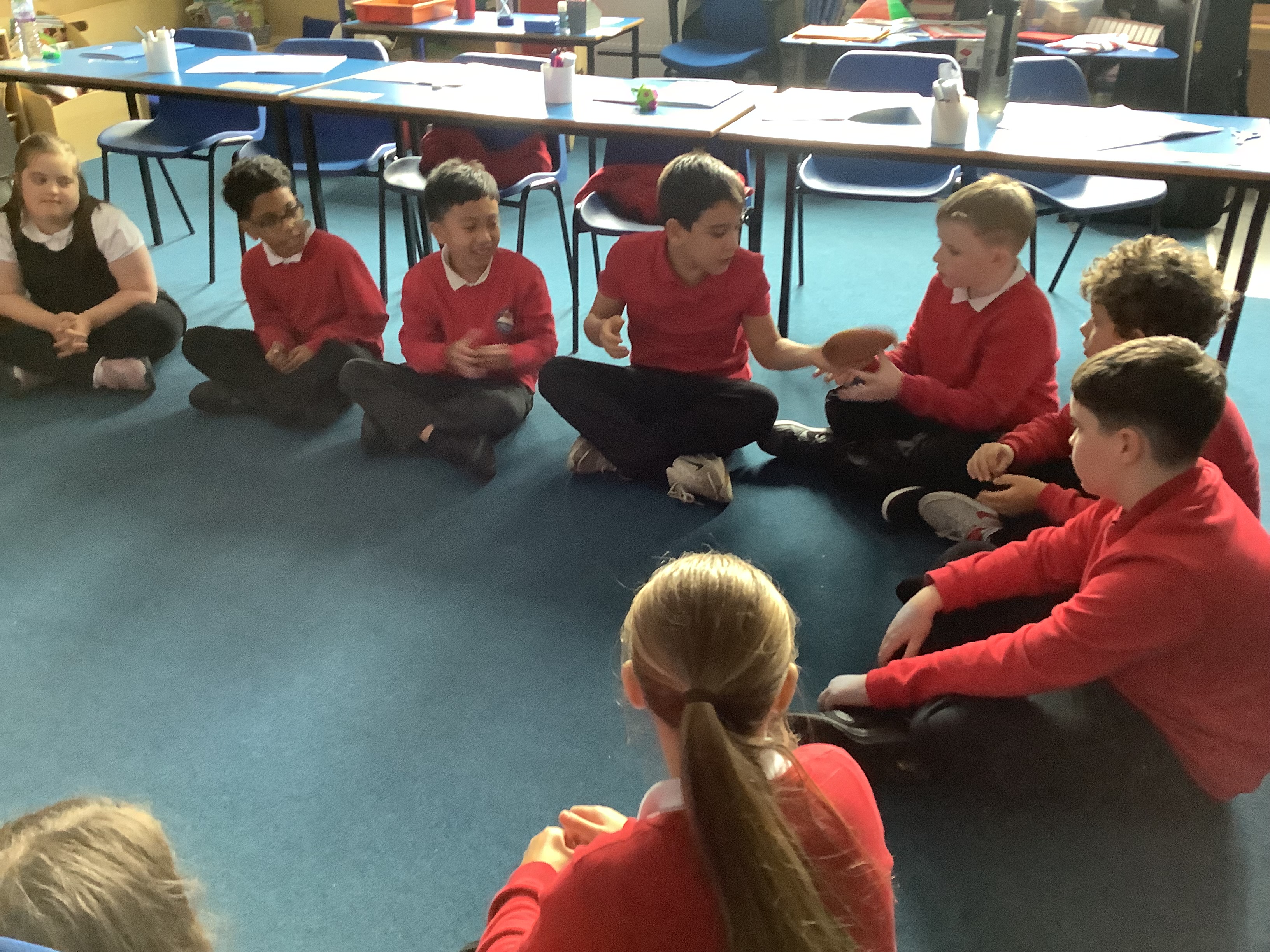
We are using apps and games to consolidate out knowledge and skills. Board games also help our understanding.


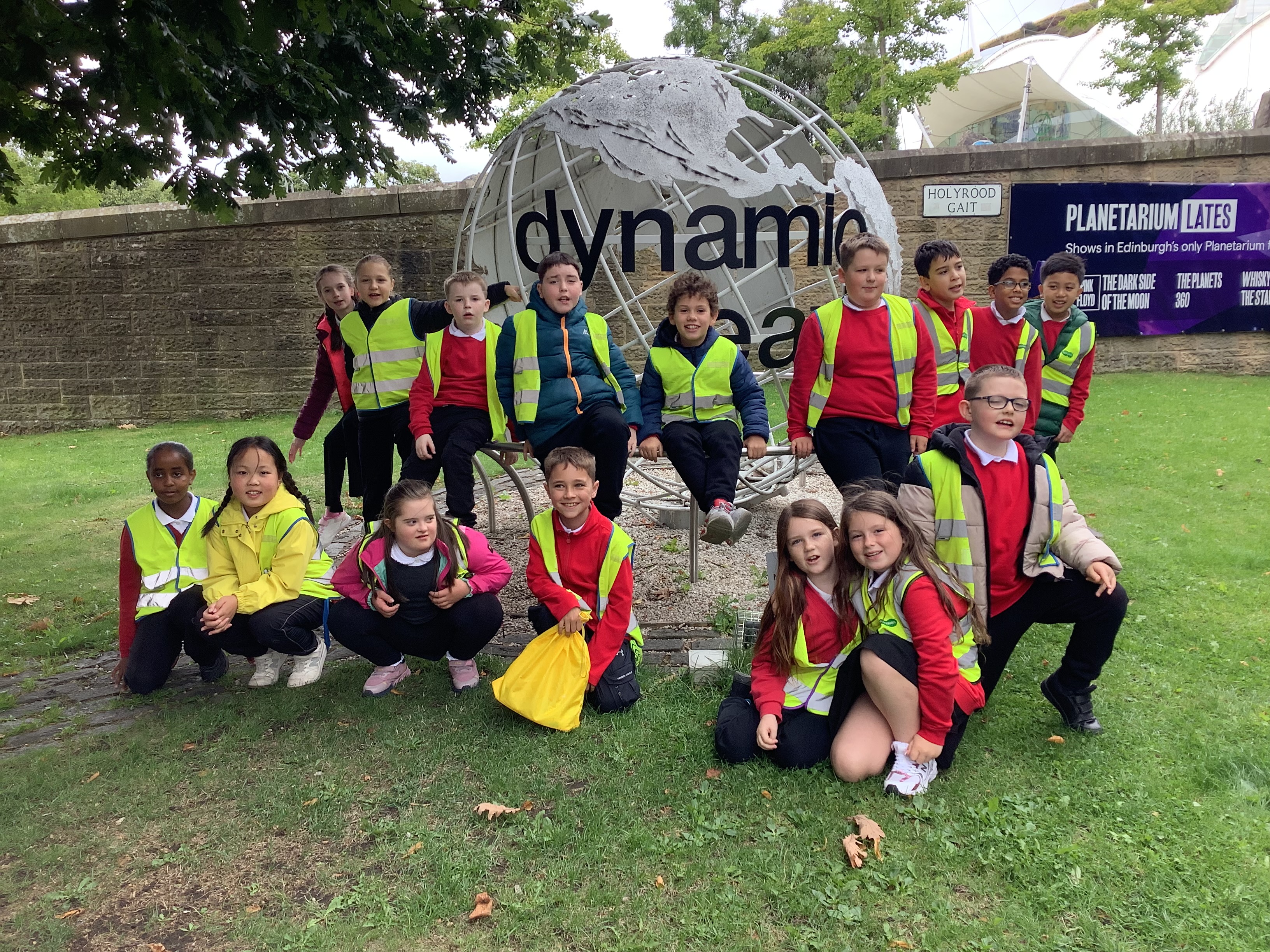
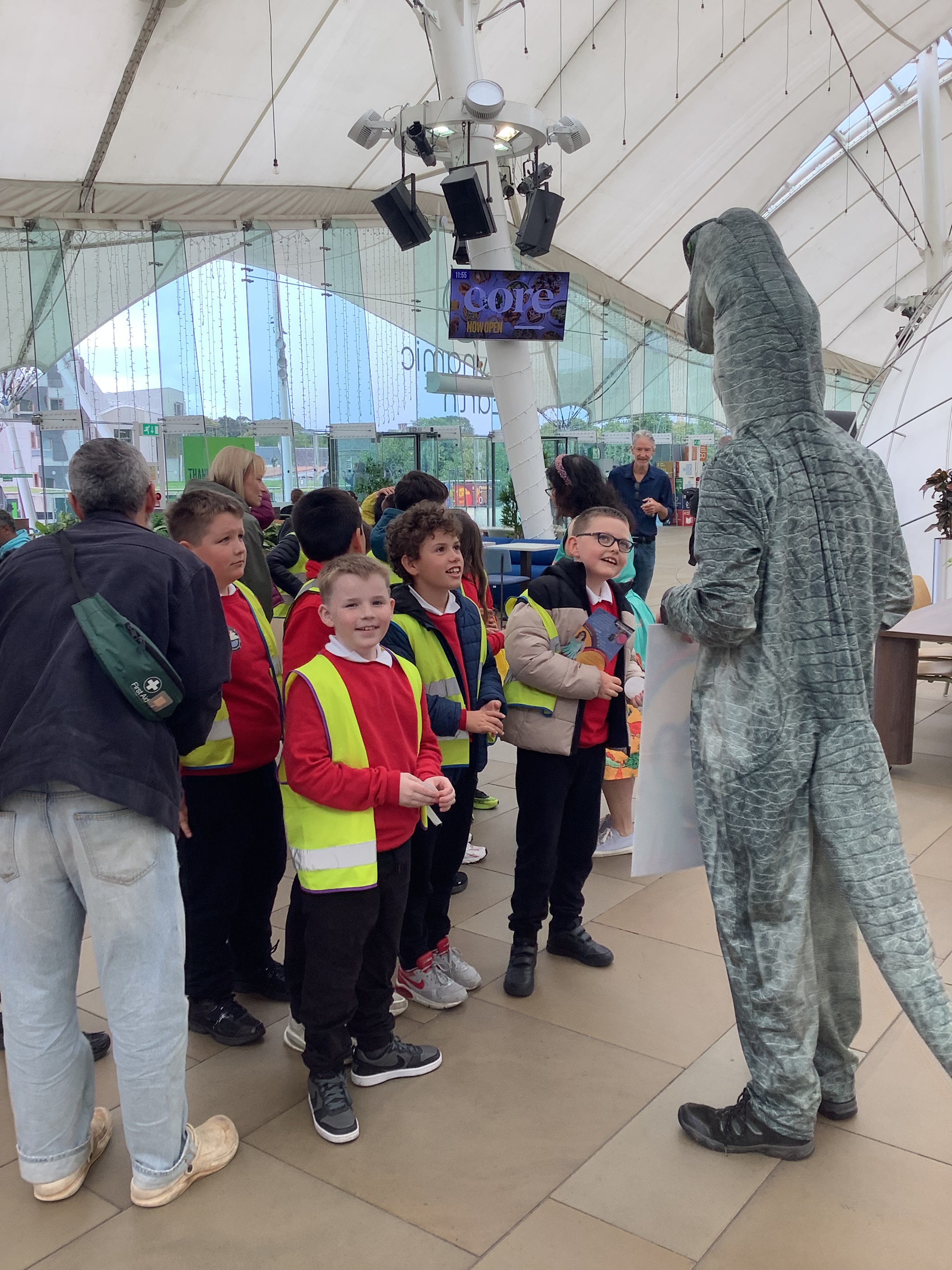
P6 chose to focus on observing and researching features of our Solar System.

Please come back soon to see what we are up to!
We look forward to welcoming you to our class next Thursday, 28th August at 2.30pm!
RSHP – Relationships, Sexual Health and Parenthood – P3/4 Information for parents and carers
In P3/4 Health and Wellbeing, this term we will be using the RSHP resource and I have attached the parental information and website address if you wish to explore the content of the lessons and have any questions.
When your child is in P2, P3 or P4 we say that they are learning at First Level. For some
children learning at this Level can also be later. Part of our learning at school is about
relationships, growing up, their bodies and what we call the baby’s story. This is part of our
Health and Wellbeing learning called Relationships, Sexual Health and Parenthood
education. Here are the main things we learn about at this Level:
When it comes to relationships children learn about:
- What makes them unique.
- Families, and how all our families are different
- The different adults who might care for children – like teachers, support staff in
school or medical staff - Making and having friends
- Being a boy and a girl and that they can be any kind of boy or girl they want to be
- What makes people alike and what makes us different (diversity)
- Respect for others and the importance of being kind.
When it comes to growing up and their body children learn about:
- Making choices and decisions
- Looking after their body and keeping clean
- How their bodies change as they grow
- Names of parts of their body and names for private body parts; we use the words
penis, vulva, bottom, nipples - Parts of their body are private
- Other people should not touch the private parts of their body
- What behaviour is okay in public and what is okay in private (for example pulling
pants up before leaving the bathroom).
When it comes to how human life begins, pregnancy and birth children learn about:
- The Life Cycle of plants and animals
- How a baby is made (conception)
- Pregnancy and how a baby is born
- What a baby needs and how to care for a baby.
How do we learn at school?
Children at this age are curious. They are really interested in how people get on, learning
about their bodies and about babies. While learning at school is important they are also very
dependent on their parents and carers to look after them, love and care for them and help
them learn behaviours and values for life. For children this age a lot of our learning together
is about talking and playing. At school we will use conversations, games, drawing and story
books to support learning about health and wellbeing. You can find out more about the
learning activities we use on this national resource: https://rshp.scot/first-level/
In the class we have already covered some areas of this learning regarding friendships and relationships in Term 1 and 2 but will revisit it. We will also use our Farm to Fork IDL topic to learn about life cycles of plants and animals.
Please do not hesitate to contact me or talk to me if you have any concerns.

