Primary 5 Blog

Primary Five Maths Trails

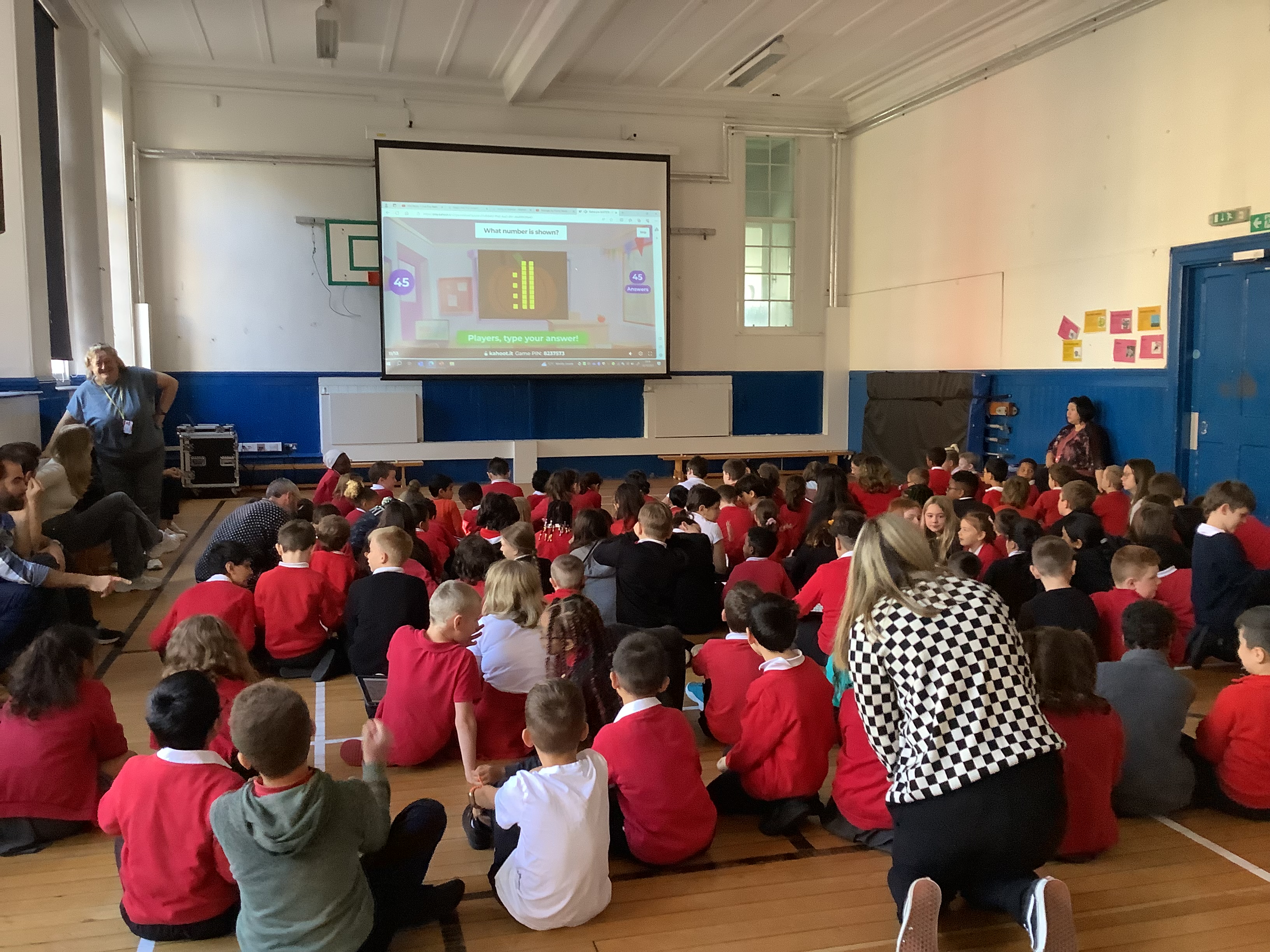
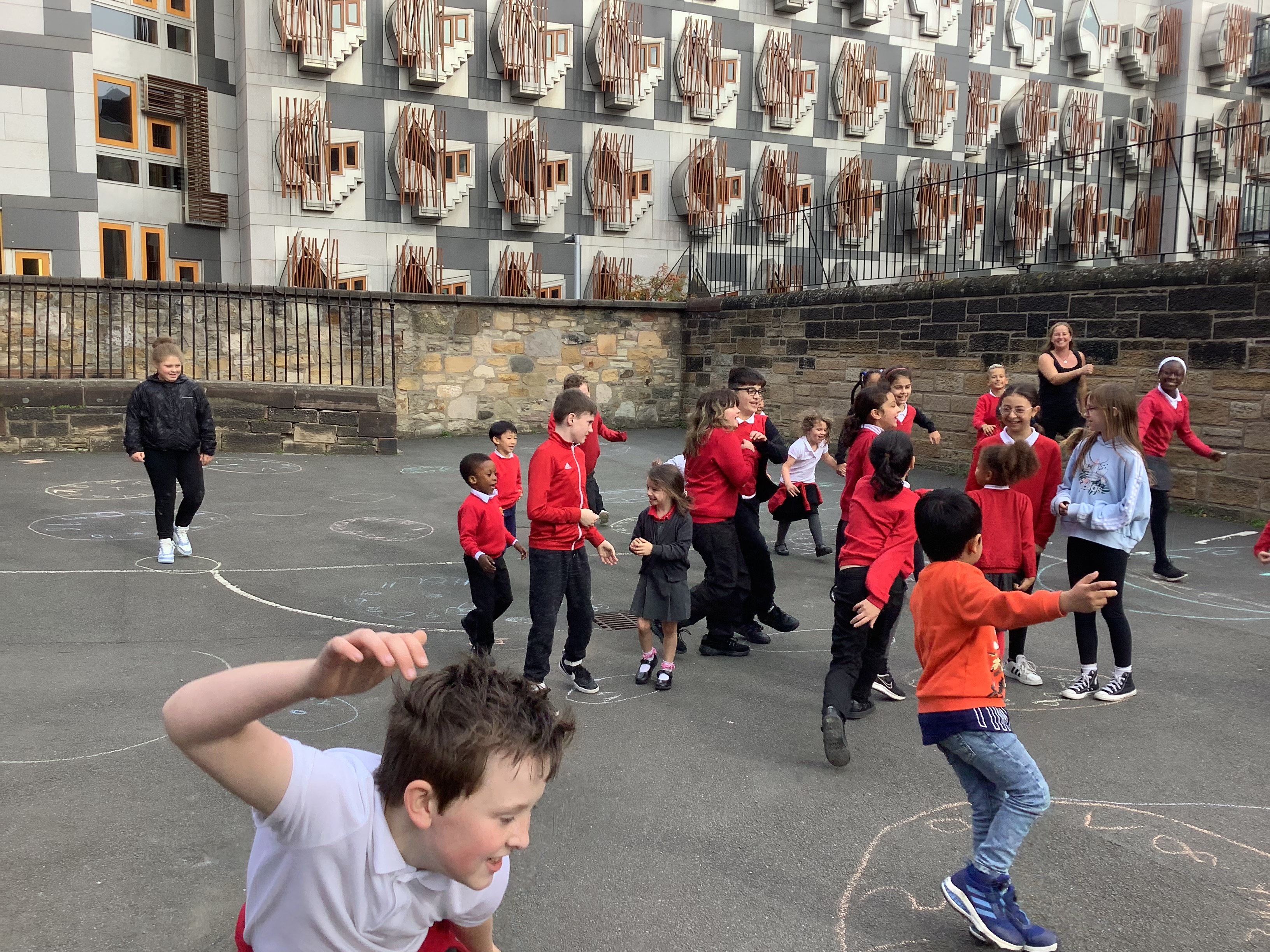
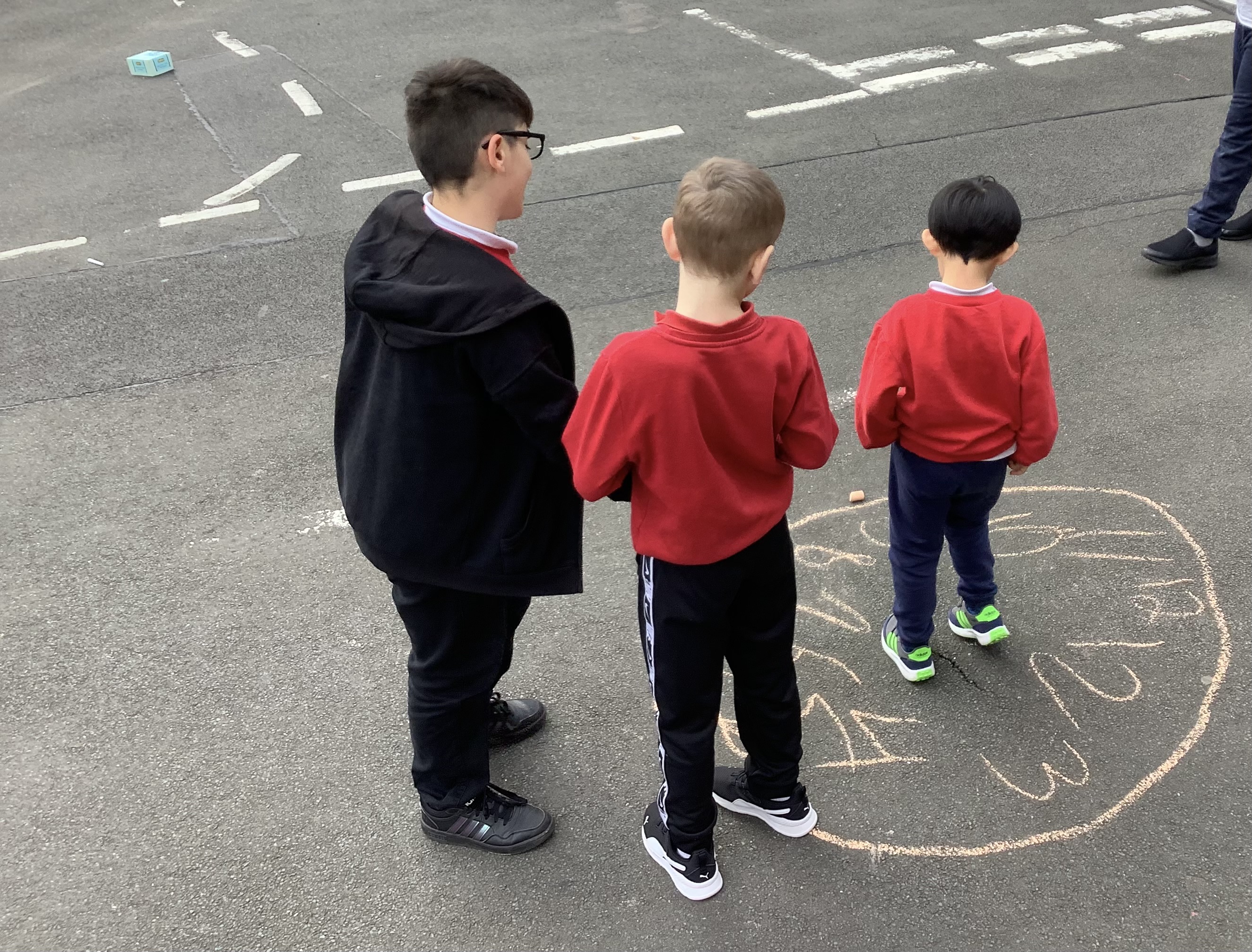
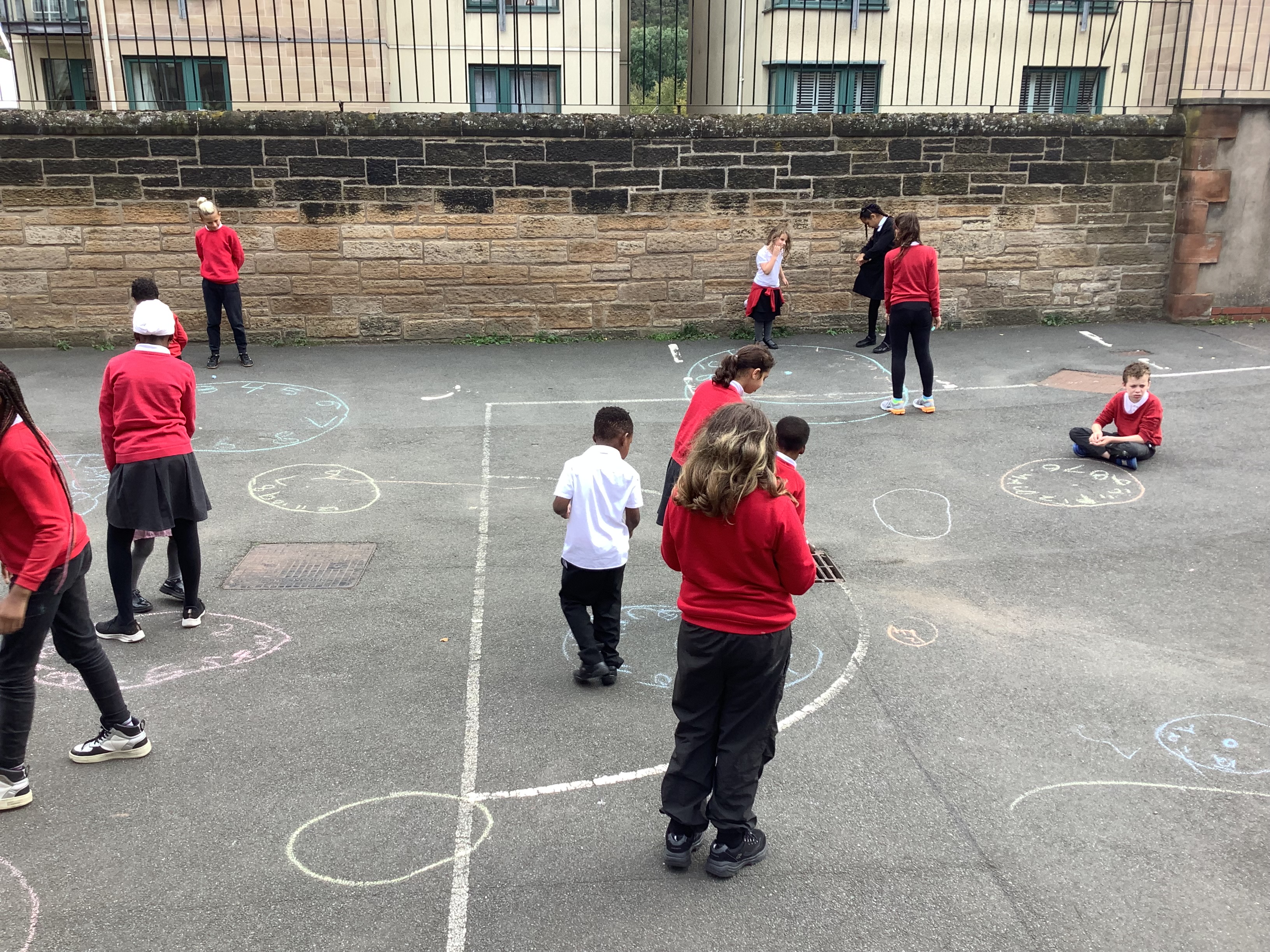
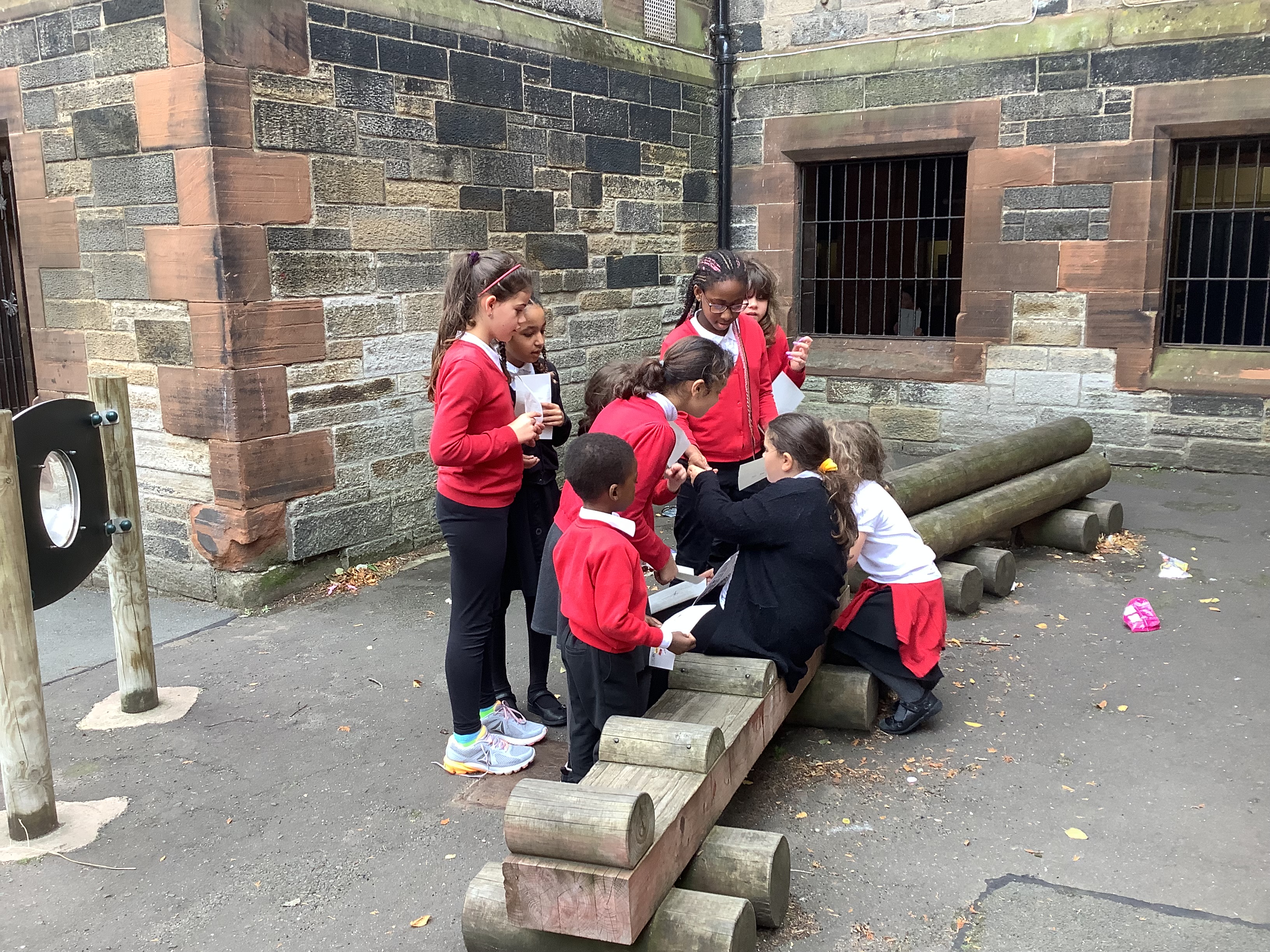
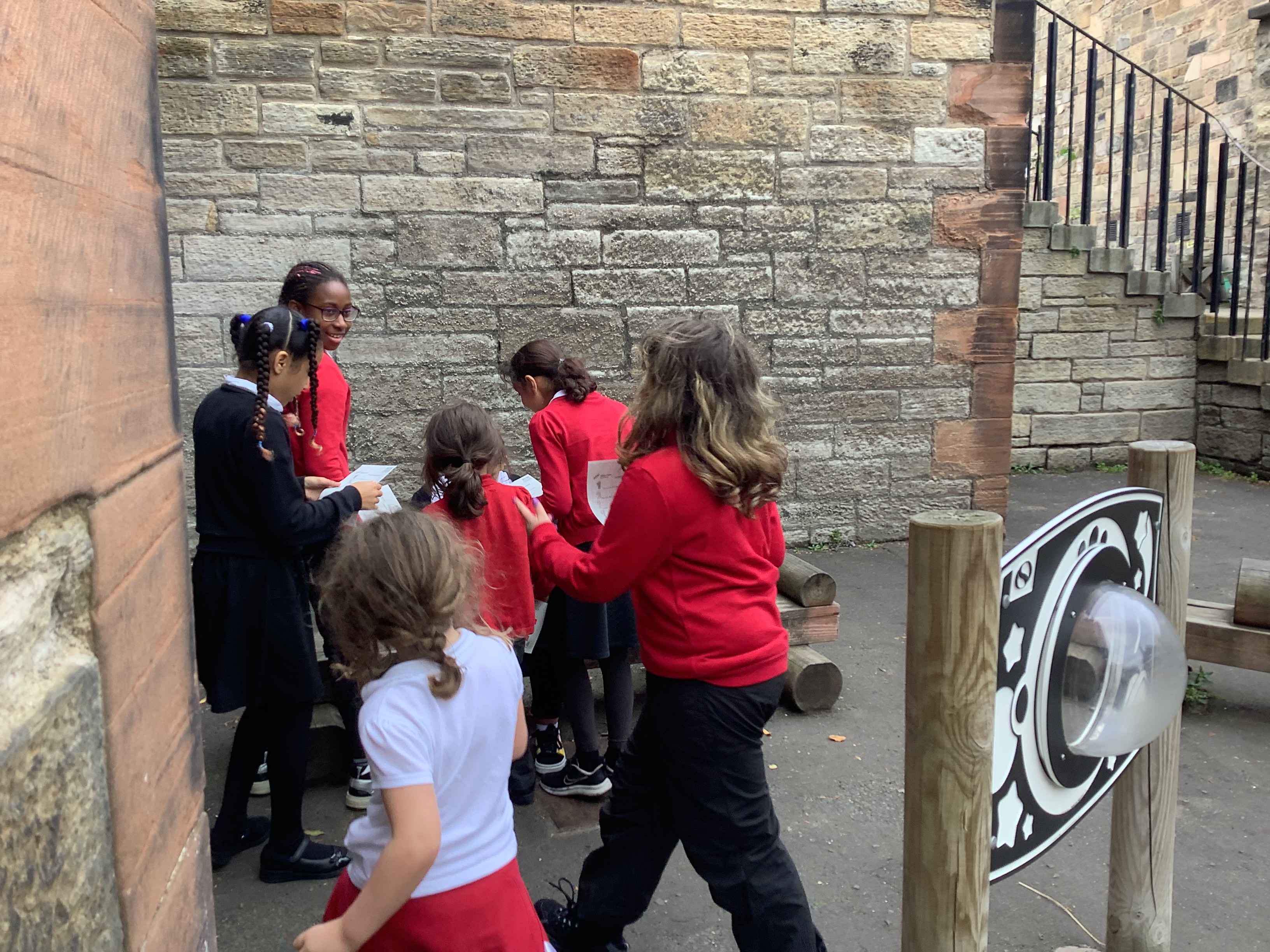
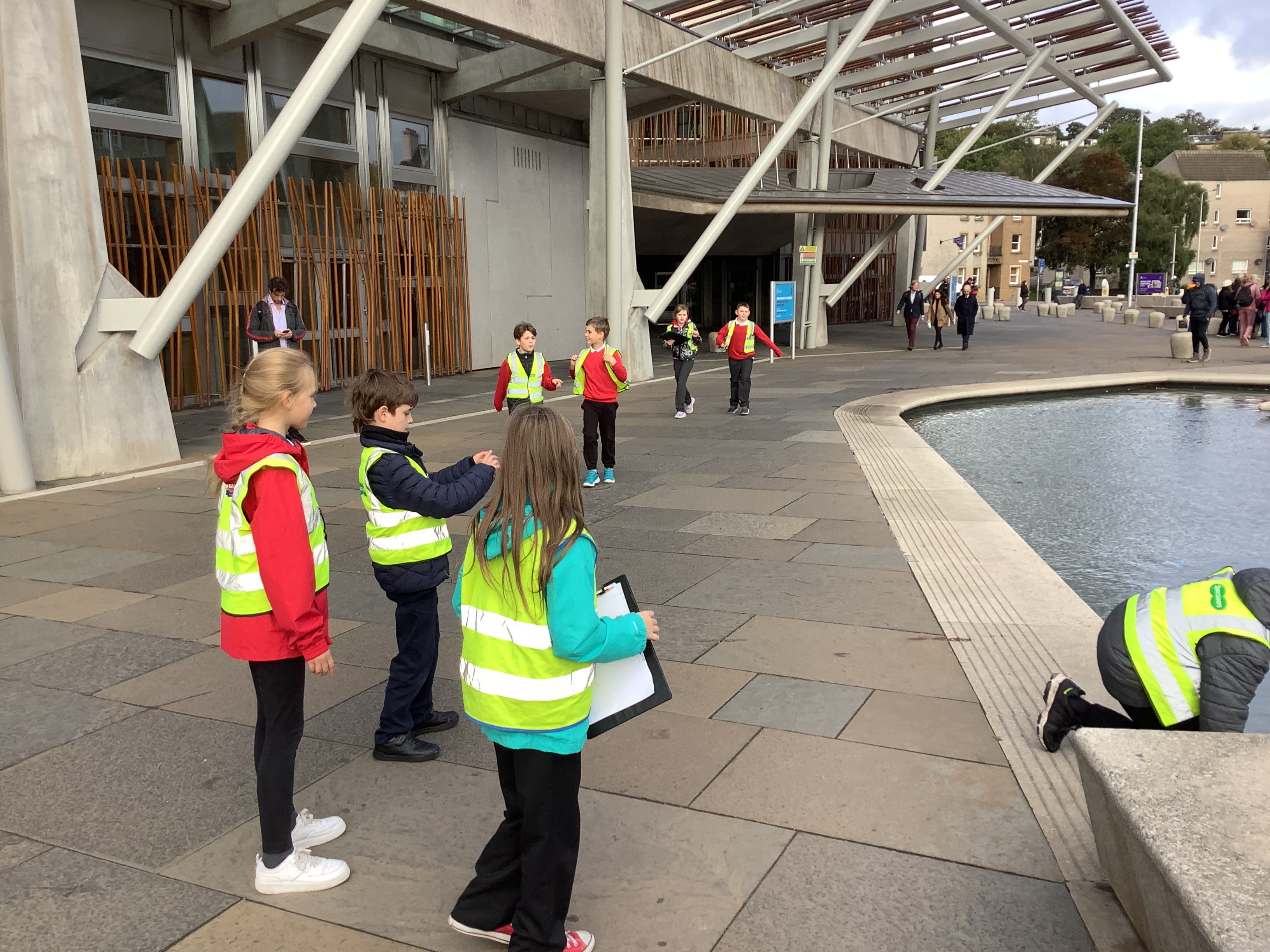
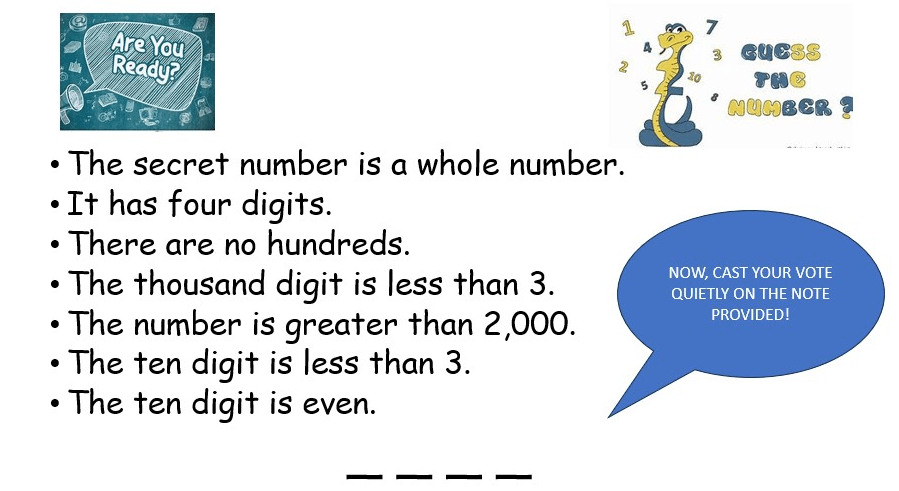
As part of our learning this week, primary five went out on to the Royal Mile to create maths trails. We used our local environment to create questions using a range of maths skills. Look at the question trails we made below. You could even challenge yourself to complete one of the class trails over the weekend!

Primary 5 Blog

Primary Five Home Learning Week Commencing 2/10/23

Spelling Words

This week’s spelling words will focus on the ‘gn’ sound, or silent ‘g’ sound.

You can use the sound chart to spot different sounds. You could even try to read them out of order to check for understanding.

Core words

Gnat

Gnash

Gnaw

Gnarly

Gnome

Gnarled

Mild

Gnomes

Sign

Design

Reign

Hot

Sovereign

Campaign

Resign

Foreign

Maths and Numeracy

Please complete some of the activities from the mental agility grid linked below.

Learning Across the Curriculum

Create a quiz to test your classmates on their knowledge of the Ancient Greeks. We will go over them in class on Friday.

Have a great week!

Mr McPheely

Primary 5 Blog, Primary 6 Blog, Primary 7 Blog

Mental Agility Second level

Hi and welcome to the second section of our MENTAL AGILITY rainbow this term!

Until Christmas our school will focus on ADDITION and SUBTRACTION!

Please find attached activities children work on in class.

We would really appreciate your support in practising them at home too!

One of our main aims is for children to be competent with numbers.

Pupils are introduced to a new mathematical concept through the use of concrete resources (e.g. fruit, Dienes blocks etc). When they are comfortable solving problems with physical aids, they are given problems with pictures – usually pictorial representations of the concrete objects they were using.

Then they are asked to solve problems where they only have the abstract i.e. numbers or other symbols. Building these steps across a lesson can help pupils better understand the relationship between numbers and the real world, and therefore helps secure their understanding of the mathematical concept they are learning.

Most Second level learners are ready to move on from concrete materials and focus on pictorial and abstract methods. An increasing understanding of number allows transitioning through the approaches.

It is vital to have a variety of strategies to solve addition and subtraction problems.

Here are some examples:

At second level learners will also work with numbers up to/beyond one Million, decimal, percentages and fractions as well as negative numbers:

Take a look at this amazing website, have a go at the games or quizzes!

https://www.bbc.co.uk/bitesize/articles/z2wrf82